


Exterior Paint for Prairie Homes: Surviving Alberta and Saskatchewan UV

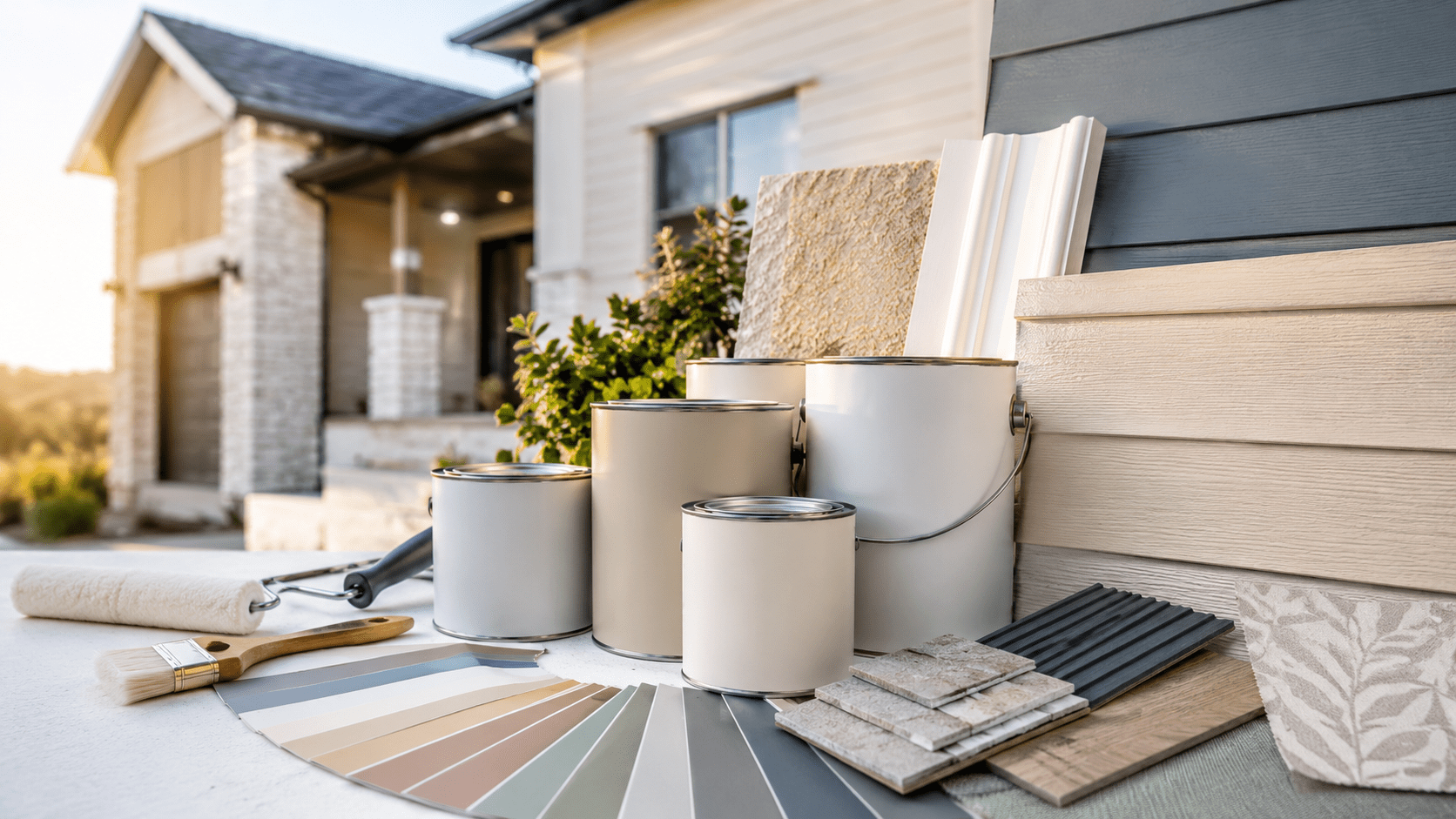
Choosing exterior paint for Alberta and Saskatchewan homes is not quite the same as choosing paint for a shaded urban house in Ontario or a damp coastal home in British Columbia. Prairie homes deal with a tough mix: strong sun, dry air, wind, dust, cold winters, hot summer afternoons, and big temperature swings between seasons.
If you have ever seen siding that looked rich and fresh for a year or two, then slowly turned faded, chalky, or uneven, UV exposure may be part of the reason. That is especially frustrating when you put time, money, and effort into repainting your exterior.
The good news is that you can make smarter choices before you buy the paint. You do not need to become a coating scientist. You just need to understand which paint qualities matter in Alberta and Saskatchewan: UV resistance, colour retention, adhesion, flexibility, primer compatibility, and proper surface prep. For a wider Canadian exterior paint foundation, you can also read this guide to the best exterior paint for Canadian winters.
Why Prairie Sun Is So Hard on Exterior Paint
Prairie weather is beautiful, but it is not gentle on paint.
Alberta and Saskatchewan homes often sit in wide-open areas with strong sun exposure, less shade, dry air, and plenty of wind. Even in cities like Calgary, Edmonton, Regina, and Saskatoon, many homes get direct sun on large exterior walls for hours each day. South- and west-facing walls usually take the worst of it.
UV radiation is one of the biggest reasons exterior colour fades. The Government of Canada UV Index guide explains that UV levels change depending on season, time of day, cloud cover, and location. For homeowners, the key takeaway is simple: the same sunlight that can damage skin can also wear down exterior coatings over time.
Paint has two main parts you should know about:
- Pigments, which give paint its colour
- Binders, which help the coating stick together and adhere to the surface
UV exposure can slowly break down both. When pigments degrade, colour fades. When binders weaken, paint may start chalking, cracking, or losing its protective strength.
That is why Prairie homeowners should not choose exterior paint based only on the colour chip. The colour may look perfect in the store, but the real test is how well it holds up after several seasons of intense sun, wind, and winter movement.
What UV Damage Looks Like on Prairie Homes
Before repainting, it helps to know what you are actually looking at. Not every exterior paint problem has the same cause.
Fading
Fading is when the colour loses depth and starts looking dull, pale, or washed out. Dark and vibrant colours usually show fading faster than lighter neutrals. Deep red, navy, black, charcoal, dark green, and burgundy can look beautiful, but they may need more maintenance on sun-exposed walls.
This does not always mean the paint was “bad.” Sometimes the colour choice, exposure level, and surface condition simply worked against it.
Chalking
Chalking is a powdery residue that forms on the paint surface as it weathers. If you rub your hand on the siding and it comes away dusty or powdery, that is likely chalking.
A little chalking can happen as exterior paint ages. Heavy chalking is different. It can stop new paint from bonding properly, which means repainting over it without washing and prep can lead to early failure.
Cracking and Peeling
UV exposure can make old paint more brittle, but peeling is usually not caused by sun alone. It often points to poor prep, moisture issues, painting over loose paint, skipped primer, or using the wrong product for the surface.
If your home already has peeling areas, do not just paint over them. Start with this guide on how to prep peeling paint before choosing a new coating.
The Best Type of Exterior Paint for Alberta and Saskatchewan Homes
For most Prairie homes, a high-quality exterior acrylic latex paint is a strong choice. Acrylic paint is popular because it offers good flexibility, adhesion, and weather resistance when used on the right surface with the right prep.
Flexibility matters because exterior surfaces move. Wood expands and contracts. Siding heats up in the afternoon and cools down at night. Winter adds another layer of stress. A brittle coating is more likely to crack when the surface underneath moves.
Look for exterior paint with these qualities:
- Strong UV resistance
- Good colour retention
- Flexible acrylic formula
- Exterior-rated durability
- Mildew resistance where needed
- Good adhesion over properly prepared surfaces
- Compatibility with the primer and surface type
This is also where product tier matters. Most paint brands have basic, mid-range, and premium exterior lines. For high-exposure Prairie walls, the cheapest can of exterior paint may not be the best value if it fades quickly or needs repainting sooner.
For general exterior paint selection, Oui Colour’s guide on how to choose the right exterior paint is still helpful, even though Alberta and Saskatchewan homeowners should put extra focus on UV resistance and dry-weather performance.
Best Exterior Colours for Prairie UV Exposure
Colour choice affects how your exterior ages.
That does not mean every Alberta or Saskatchewan home has to be beige. But if your home gets intense sun, you should think carefully before choosing very dark or highly saturated colours for large walls.
Colours That Usually Age More Gracefully
Lighter and softer colours tend to show fading less dramatically. Good options include:
- Warm white
- Cream
- Greige
- Taupe
- Soft grey
- Sandstone
- Muted sage
- Pale olive
- Clay beige
- Light warm brown
These colours can still look modern, especially when paired with darker trim, a richer front door, or natural wood accents.
Colours That Need More Caution
Some colours are beautiful but more demanding under Prairie sun:
- Black
- Deep navy
- Bright red
- Burgundy
- Dark forest green
- Charcoal
- Saturated blue
- Very dark brown
You can still use these shades. Just be strategic. Instead of painting an entire south-facing wall black or navy, consider using deeper colours on the front door, shutters, trim, porch details, or shaded architectural accents.
Before committing, test your colour outside. Look at it in morning light, afternoon sun, cloudy weather, and evening shade. This guide on how to test paint color before painting can help you avoid choosing a shade that looks perfect on a card but too harsh on your actual exterior.
How Surface Type Changes the Paint Choice
Exterior paint is not one-size-fits-all. The right product depends on what you are painting.
| Surface | Prairie Concern | What to Prioritize |
|---|---|---|
| Wood siding | UV exposure, cracking, grain movement | Flexible exterior paint or solid stain |
| Stucco | Chalking, hairline cracks, uneven absorption | Masonry-compatible coating |
| Brick | Breathability and moisture movement | Masonry paint or breathable coating |
| Front door | Heat, handling, fading | Durable exterior enamel or premium exterior paint |
| Decks and fences | UV, moisture, foot traffic | Exterior stain or wood finish |
| Metal railings | Rust, heat absorption, peeling | Rust-inhibiting primer and metal paint |
Wood siding needs special attention because it moves with humidity and temperature changes. If the coating is too brittle, cracking can happen faster. For more help, read this guide on choosing exterior paint for wood siding.
Brick is different. It needs a coating that works with masonry, not just any leftover exterior paint. This guide to the best exterior paint for brick house walls is useful if your home has brick surfaces.
For front doors, durability and colour retention matter because the surface gets sun, hand contact, weather, and daily use. Start with this guide to the best paint for front doors.
Decks and fences are another category entirely. These surfaces often need stain rather than regular exterior wall paint. If that is your project, review the best stain for deck boards before buying.
Prairie Exterior Prep: The Step You Should Not Rush
Even the best exterior paint will fail early if the surface is not ready.
Prairie homes collect dust, pollen, chalky residue, and wind-blown debris. If you paint over that, the new coating may stick to the dirt instead of the house. That is a recipe for peeling.
Wash the Surface First
Start with a clean surface. Remove dirt, chalking, loose debris, mildew, and old residue. Let the surface dry fully before painting.
This step is boring. It is also one of the most important.
Scrape and Sand Loose Paint
Loose paint must come off. If it is already lifting, bubbling, or flaking, a new coat will not magically glue it back down. Scrape peeling areas, sand rough edges, and feather the transition between bare and painted surfaces.
Prime Bare and Problem Areas
Primer is the grip layer between the surface and paint. It helps with adhesion, stain blocking, and uneven absorption. Bare wood, patched spots, chalky areas, and previously failed paint zones usually need primer before finish coats.
For a deeper primer guide, read how to choose exterior primer.
When to Paint Exterior Surfaces in Alberta and Saskatchewan
Timing matters almost as much as product choice.
Prairie weather can change quickly, so do not plan your exterior painting day based only on the daytime high. Check the full forecast, including wind, overnight lows, rain risk, and temperature swings. The Government of Canada weather forecast is a good place to check local conditions before starting.
Avoid painting when:
- The surface is hot from direct sun
- Strong wind is blowing dust around
- Rain is expected
- Overnight temperatures will drop too low
- The surface is damp
- The paint will dry too quickly in harsh afternoon sun
A good approach is to follow the shade around the house. Paint the side that is not getting direct blazing sun. Morning may work better for west-facing walls, while later in the day may work better for east-facing walls.
Always follow the temperature and recoat instructions on the paint can. If the label says to wait four hours before recoating, do not rush it because you want to finish before dinner. Dry-to-touch and ready-to-recoat are not always the same thing.
Common Mistakes to Avoid
Exterior painting is not complicated, but small mistakes can shorten the life of the job.
Avoid these common issues:
- Choosing a very dark colour for a full sun-exposed wall without considering fade
- Painting over chalky siding without washing it first
- Skipping primer on bare wood or patched areas
- Painting in direct afternoon sun
- Painting on windy days when dust can stick to wet paint
- Using interior paint outside
- Choosing the cheapest exterior paint for the most exposed wall
- Ignoring the difference between siding, decks, brick, doors, and metal
- Recoating too soon
- Painting when overnight temperatures are too cold
For a broader homeowner checklist, review these top painting mistakes to avoid for homeowners in Canada.
Why Trust This Guide
This guide is built around the specific exterior paint problems that Prairie homeowners face: UV exposure, dry air, wind, dust, seasonal temperature swings, colour fading, chalking, and surface movement.
It also separates paint advice by surface type. That matters because siding, stucco, brick, wood decks, front doors, and metal railings do not all need the same coating. A product that works beautifully on a front door may be the wrong choice for deck boards. A deck stain may be perfect for wood but completely wrong for stucco.
The UV discussion is also grounded in Canadian sources. Health Canada explains the risks and behaviour of ultraviolet radiation, while Statistics Canada has mapped mean ultraviolet radiation across Canada. For homeowners, the practical lesson is clear: sun exposure is not just a comfort issue. It affects how exterior materials age.
Final Thoughts
Prairie homes in Alberta and Saskatchewan need exterior paint that can handle more than basic weather. Strong sun, dry air, dust, wind, cold winters, and wide temperature swings all put pressure on the coating. That is why the best exterior paint choice is not just about colour. It is about UV resistance, colour retention, surface compatibility, primer, and prep.
For large sun-exposed walls, lighter and more muted colours are usually the safer long-term choice. Save deep shades for accents, doors, shutters, and trim when possible. Clean the surface well, scrape loose paint, prime problem areas, and choose a stable weather window before you start. If you are unsure which colour will hold up best on your home, a paint color matching service or colour consultation can help you choose with more confidence before the first coat goes on.
