


Blog
How to Choose Exterior Primer

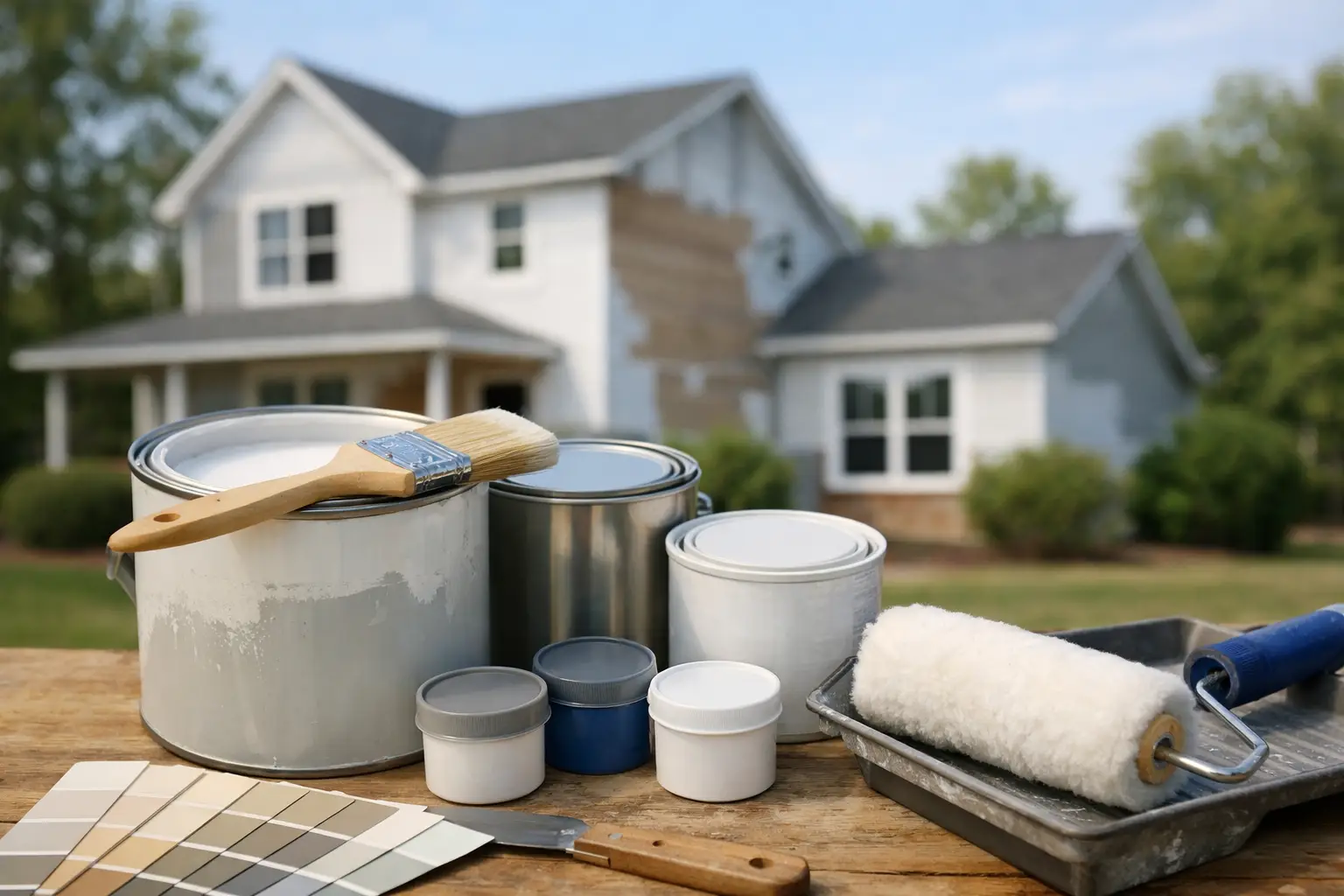
A paint job can fail long before the topcoat goes on. If the surface is chalky, stained, slick, patched, or weathered, the wrong primer can leave you dealing with peeling, flashing, tannin bleed, or uneven sheen months earlier than expected. That is why knowing how to choose exterior primer matters just as much as picking the right exterior paint.
The good news is that primer selection is not guesswork when you look at the surface, the condition, and the coating that will go over it. Homeowners want a finish that lasts through seasons of sun, rain, and temperature swings. Contractors want predictable coverage, solid adhesion, and fewer callbacks. In both cases, the right primer saves time, material, and frustration.
How to choose exterior primer by surface
The first question is not color. It is what you are painting.
Bare wood, previously painted siding, masonry, fiber cement, galvanized metal, and rust-prone steel all have different needs. A primer that works well on new cedar is not automatically the best choice for stucco or aluminum trim. Exterior primers are designed to solve specific problems, so matching the product to the substrate is where good results start.
Bare wood and weathered wood
For bare wood, adhesion and stain control are usually the priorities. Softwoods can absorb unevenly, while cedar and redwood can release tannins that discolor the finish. In these cases, a high-quality exterior wood primer is the better call than a general-purpose option.
If the wood is heavily weathered, porous, or slightly rough, primer helps seal the surface so the topcoat builds more evenly. Oil-based and bonding primers are often chosen for difficult wood because they penetrate well and help lock down old fibers. Latex exterior primers can also perform very well on clean, sound wood, especially when faster dry times and easier cleanup matter.
Masonry, concrete, brick, and stucco
Masonry surfaces need a primer that can handle alkalinity and porosity. Fresh masonry is its own category because it must cure fully before coating. Older concrete or stucco may look solid but still absorb paint unevenly if left unprimed.
A masonry primer or block filler is often the right starting point for porous surfaces. If the wall has hairline repairs or patchy absorption, the primer helps even out the substrate so the finish coat looks more uniform. This is one of those places where skipping primer can cost more in extra paint than the primer itself.
Metal surfaces
Metal can be simple or very particular depending on the type. Ferrous metal, such as steel and iron, needs corrosion resistance. Galvanized metal and aluminum need a primer that will bond to slick surfaces without lifting.
If rust is present, you need to decide whether it can be fully removed or whether a rust-inhibitive primer is needed after proper prep. Do not assume any exterior primer will handle metal well. For railings, doors, flashing, and exposed trim, a dedicated metal primer is usually the safer choice.
Previously painted surfaces
If the old coating is intact and well bonded, you may not need a heavy-duty primer across the entire surface. But that depends on what you are covering. Spot-priming repairs, bare areas, filler patches, and scraped sections is often enough when the existing paint is in good shape.
If the old paint is glossy, chalky, stained, or you are making a major color shift, primer becomes more important. A bonding primer can help on hard-to-stick surfaces, while a stain-blocking primer may be necessary if water marks, smoke, or wood extractives are showing through.
Pick primer based on the problem you need to solve
A lot of people ask how to choose exterior primer as if there is one best product. There is not. The better question is what problem the primer needs to fix.
If adhesion is the issue, use a bonding primer. If bleed-through is the issue, use a stain-blocking primer. If porosity is the issue, use a masonry sealer or high-build primer suited to that substrate. If rust is the issue, choose a rust-inhibitive metal primer.
This matters because exterior coatings fail in specific ways. Peeling often points to adhesion or moisture issues. Flashing and uneven finish can come from patchy absorption. Yellow or brown discoloration may mean tannins or stains were never sealed properly. Primer is there to correct the surface so your finish coat can do its job.
Oil-based vs latex exterior primer
This is usually the next decision, and the answer depends on the surface condition and the performance you need.
Oil-based primers are valued for stain blocking, wood sealing, and strong adhesion on challenging surfaces. They are especially useful on weathered wood, cedar, redwood, and areas with tannin bleed. Many pros still rely on them when they need maximum hold-out and a dependable base under exterior topcoats.
Latex primers have come a long way and are often the practical choice for many exterior jobs. They dry faster, have lower odor, and are easier to clean up. On properly prepared surfaces, premium exterior latex primers can deliver excellent adhesion and flexibility, which helps when substrates expand and contract outdoors.
There is a trade-off. Oil-based products can be stronger problem-solvers, but latex options are often easier to work with and faster for multi-step projects. If you are painting in a tight schedule, dry time may influence the decision as much as substrate type.
Surface condition matters as much as material
Two homes can both have wood siding and still need different primers.
New wood may need sealing and stain control. Old wood with peeling paint may need scraping, sanding, patching, and a primer that can tie together bare spots and sound painted areas. Chalky siding may require washing and a primer designed to stabilize the surface before repainting.
The same logic applies to trim, doors, porch structures, and exterior furniture. Do not buy primer based only on the label headline. Read for substrate compatibility, stain blocking, adhesion, and whether it is intended for full priming or spot priming.
Do you need primer if the paint says paint and primer in one?
Sometimes yes.
Paint-and-primer products can work well over sound, previously painted surfaces in good condition, especially when the color change is moderate. But they are not a replacement for specialty primers when you are dealing with bare wood, masonry, metal, stains, gloss, or repairs.
Think of these coatings as finish paints with better build, not as universal problem-solvers. If the surface has a known issue, a separate primer is still the better system. That is especially true outdoors, where exposure is more demanding and small prep mistakes show up faster.
A practical way to choose the right exterior primer
Start with three checks. Identify the substrate, assess the condition, and confirm the topcoat you plan to use. That narrows the field quickly.
If you are working on bare cedar trim, choose a stain-blocking exterior wood primer. If you are coating stucco with repairs, look for a masonry primer that evens porosity. If you are repainting metal railings, use a rust-inhibitive metal primer after removing loose corrosion. If the surface is already painted but glossy or difficult, a bonding primer is usually the right bridge coat.
For mixed-material projects, it is normal to use more than one primer. A single home exterior can include siding, trim, masonry foundations, metal flashings, and patched areas. Using one universal primer everywhere may sound efficient, but it is not always the best-performing choice.
Common mistakes that lead to primer problems
The biggest mistake is using a general-purpose primer where a specialty primer is clearly needed. The second is priming over a dirty or unstable surface and expecting the coating to compensate for poor prep. Primer improves adhesion, but it cannot bond loose paint, active chalk, grease, or moisture.
Another common issue is underestimating spot repairs. Filled nail holes, sanded patches, and scraped sections can flash badly if they are not primed correctly. On exterior work, that unevenness is often more noticeable in angled daylight.
Temperature and weather windows also matter. Even the right primer can fail if it is applied outside its recommended conditions. Before you start, check the product requirements for surface temperature, air temperature, and recoat time.
Buy for performance, not just price
Primer is not the place to save a few dollars if the surface is demanding. A better primer can reduce the number of finish coats, improve appearance, and extend the life of the job. For homeowners, that means fewer repaints. For contractors, it means more consistent results and less time spent fixing avoidable issues.
If you are unsure which system fits your project, get advice before you buy. Matching the primer to the substrate, condition, and topcoat is the fastest way to avoid wasted material and rework. That is why many customers shop with a supplier like Oui Colour Paint – you can source the primer, finish paint, prep materials, and tools in one place and get guidance that matches the job.
A good exterior finish starts below the color coat. Choose primer the same way professionals do: by looking at the surface in front of you, not by hoping one product will cover every situation.
