


Paint for Apartment Walls: Choose the Right Finish

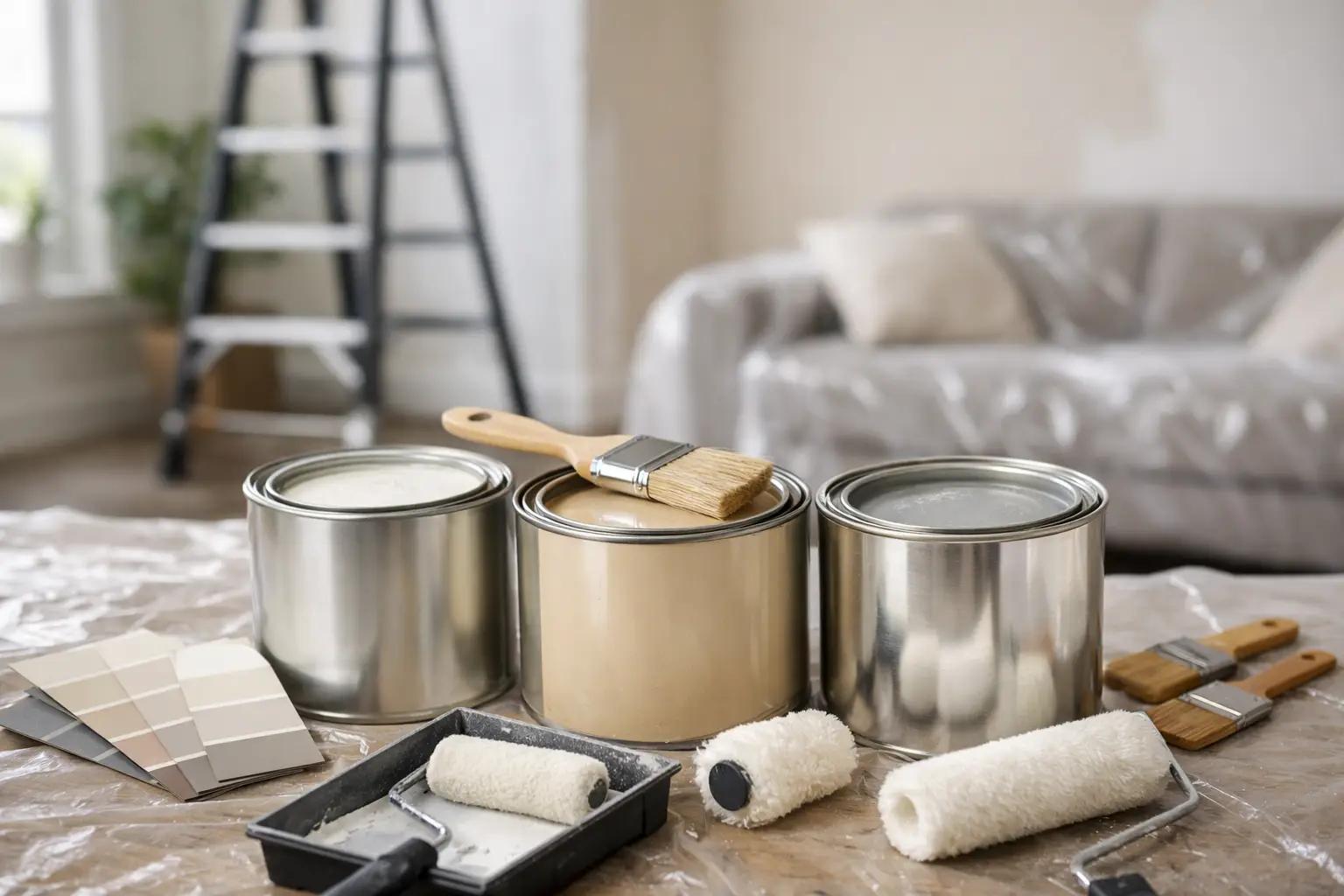
Apartment walls reveal more than most surfaces. They show scuffs near the entry, fingerprints around switches, and every roller mark that catches the afternoon light. Choosing the right paint for apartment walls is not just about finding a color you like. It is about selecting a finish that looks clean, applies predictably, and stands up to the way the room is actually used.
For a quick rental refresh, a high-traffic family space, or a full renovation, the right interior paint system starts with the wall condition, the room’s purpose, and the desired level of sheen. A quality paint can make a compact room feel brighter and more intentional. The wrong sheen or poor prep can make minor wall flaws impossible to ignore.
What to Look for in Paint for Apartment Walls
Interior wall paint needs to balance appearance with maintenance. Flat finishes create a soft, modern look, but they are not always the practical choice for walls that get frequent contact. Higher-sheen paints are easier to wipe, although they reflect more light and can emphasize patches, dents, or uneven drywall work.
Start by considering how the space will be used. A quiet bedroom with smooth, well-maintained walls has different needs than a busy hallway, kitchen, or unit entry. In most apartments, a premium acrylic latex interior paint is the dependable all-around choice. It offers good coverage, low odor options, easier cleanup with soap and water, and flexibility as walls naturally expand and contract.
Look for a paint with reliable hide, stain resistance, and scrub resistance. Hide refers to how effectively the paint covers the previous color and surface variation. A deep red wall being changed to a warm white may still need a primer and two finish coats, even with premium paint. Trying to save a coat can lead to uneven color and a result that looks unfinished.
Low-VOC and zero-VOC formulas are also worth considering, especially for occupied apartments. They can reduce paint odor and make it more comfortable to return furniture to the room sooner. Drying time still matters, though. A wall may feel dry within hours but need longer before it can handle cleaning, picture hanging, or heavy contact.
Choose the Sheen by Room, Not by Habit
Sheen is one of the biggest decisions in any apartment painting project. It affects the wall’s visual texture, durability, and how forgiving the finished surface will be.
Flat and matte for calm, low-traffic spaces
Flat paint absorbs light, giving ceilings and walls a soft appearance with minimal reflection. It is excellent at concealing small drywall imperfections, old patch repairs, and subtle texture. For bedrooms, formal living rooms, or a low-contact home office, flat or matte paint can create a polished, contemporary finish.
The trade-off is washability. Some modern premium matte paints are more durable than traditional flat products, but they still require a gentler touch than eggshell or satin. If kids, pets, luggage, or frequent furniture movement are part of daily life, choose a washable matte product rather than the least expensive flat paint on the shelf.
Eggshell for most living areas
Eggshell is often the best starting point for apartment walls. It has a slight, low-luster sheen that provides more wipeability than flat paint without looking shiny. It works well in living rooms, bedrooms, dining areas, and hallways where you want a clean finish that is practical to maintain.
Eggshell does show more wall texture than matte, so patching and sanding matter. Use it when the drywall is generally smooth and you want a versatile finish that will not require constant touch-ups.
Satin for high-contact rooms
Satin paint has a more noticeable sheen and stronger resistance to dirt, moisture, and routine cleaning. It is a smart option for kitchens, bathrooms with good ventilation, entryways, laundry areas, and children’s rooms. It can also be a strong choice for rental properties where walls may need to be cleaned between tenants.
Because satin reflects more light, apply it with careful technique. Maintain a wet edge, use a quality roller cover, and avoid overworking partially dried paint. Uneven roller pressure can leave visible lap marks, particularly in darker colors.
Semi-gloss for trim, not most walls
Semi-gloss is durable and easy to clean, which makes it ideal for doors, baseboards, window trim, and cabinets. On most apartment walls, however, it is too reflective. It can magnify every drywall seam and repair. Reserve it for trim unless the wall is in a highly specific utility area where washability matters more than appearance.
Match the Color to the Apartment’s Light
The same paint color can look entirely different from one apartment to another. North-facing rooms often pull cooler and grayer, while south-facing rooms receive warmer, stronger daylight. A color that looks creamy in a showroom may appear bright white under cool LED bulbs, or muddy beside warm flooring.
Test paint samples directly on the wall before committing. Paint sample boards or large swatches should be moved around the room and viewed in morning, afternoon, and evening light. Check the color beside cabinets, floors, upholstery, and permanent finishes. The goal is not to find a color that looks perfect at one hour, but one that remains appealing throughout the day.
For smaller apartments, light neutrals are popular because they help rooms feel open and connect separate spaces visually. That does not mean every wall needs to be white. Soft greige, warm beige, muted green, smoky blue, and clay-toned neutrals can add depth without overwhelming a compact room. A deeper accent wall can work well too, but it should be chosen with the room’s natural light in mind.
If you are painting a rental, confirm the landlord’s color and finish requirements before purchasing. Some leases require specific neutral shades, while others allow painting only if the unit is returned to its original color. Keeping a labeled sample or extra paint for touch-ups can save time when it is time to move.
Prep Determines Whether the Finish Looks Professional
Even premium paint cannot hide loose tape lines, greasy kitchen residue, or poorly sanded repairs. Proper preparation is what gives paint its even color, adhesion, and long-term durability.
Begin by moving furniture away from the walls and protecting floors, outlets, fixtures, and trim. Remove nails and anchors where appropriate, then fill holes with lightweight spackle or a setting-type patch compound for larger repairs. Once dry, sand the repairs smooth and feather their edges into the surrounding wall. Run your hand over the surface. If you can feel a ridge, it will likely show after painting.
Wash walls that have visible grime, cooking residue, or handprints. In kitchens and entryways, a mild degreasing cleaner may be necessary. Allow the wall to dry fully before applying primer or paint. Paint applied over dust or grease may peel or cure unevenly.
Primer is not required for every repaint, but it is essential in certain situations: bare drywall repairs, stains, glossy existing finishes, dramatic color changes, smoke damage, or walls with unknown coatings. Spot-prime repaired areas first. If those spots flash through the finish coat because they absorb paint differently, apply a full primer coat for a uniform result.
Use the Right Tools and Apply Two Coats
A good paint job needs more than a good can of paint. Use a quality angled brush for cutting in along ceilings, trim, and corners, then use a roller with the correct nap length for the wall texture. A 3/8-inch nap roller is a common choice for smooth to lightly textured apartment walls. Heavier texture may need a thicker nap to reach low areas consistently.
Cut in one manageable section, then roll that section before the brushed edge dries. Work from top to bottom in overlapping passes, keeping the roller loaded but not dripping. Do not press hard to stretch the paint further. That reduces coverage and can create an uneven sheen.
Most wall colors need two finish coats for consistent coverage and durability. Follow the label’s recoat time instead of relying only on how dry the wall feels. Cooler temperatures, high humidity, and limited air circulation can extend drying time.
For painters, renovators, and homeowners planning more than one room, buying paint, primer, masking supplies, roller covers, caulk, and repair materials together helps keep the job moving. Oui Colour Paint can help match the coating system to the surface, room use, and finish you want, whether the project is one bedroom or an entire unit turnover.
Before opening the first gallon, take a final look at the room in its everyday light and decide where durability matters most. That small decision – matte in the quiet spaces, eggshell in the main living areas, satin where walls work harder – will make the finished apartment easier to enjoy and easier to maintain.
