


Polyurethane vs. Varnish for Wood Furniture

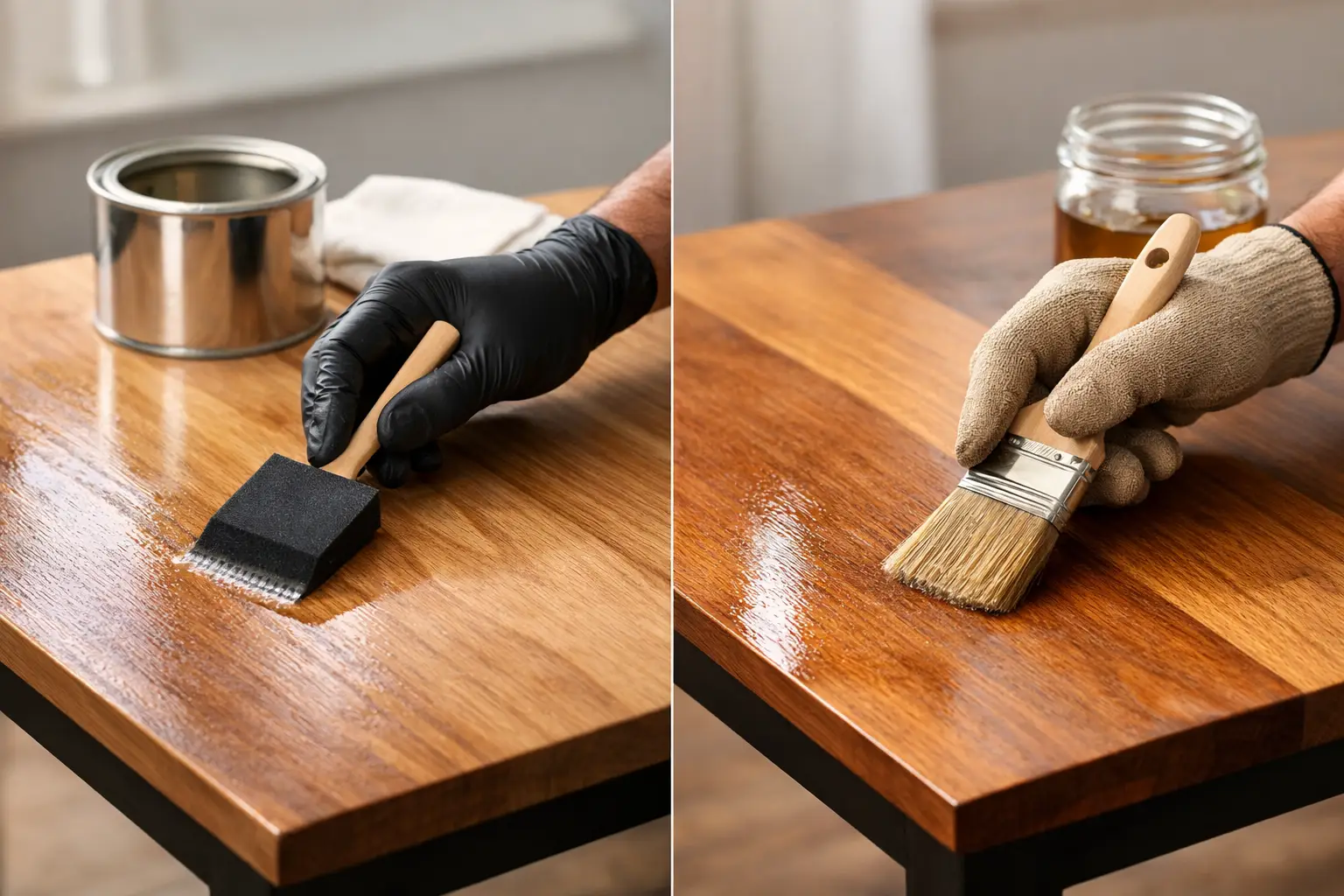
A dining table finish has to survive a very different life than a painted nightstand. It may face hot plates, wet glasses, food spills, and constant cleaning. That is why the polyurethane vs varnish furniture decision should start with where the piece will live and how it will be used, not simply with the gloss level on the can.
Both finishes can protect wood, enrich stain color, and give furniture a polished final look. The practical difference is in their chemistry, flexibility, wear resistance, and the application experience. Choose well, and your finish supports the project for years. Choose the wrong product for the job, and even beautifully restored furniture can show scratches, cloudiness, or peeling sooner than expected.
Polyurethane vs. varnish for furniture: the key difference
Polyurethane is a clear protective topcoat made with synthetic resins. It is commonly available in water-based and oil-based formulas and is widely used on furniture, cabinets, floors, and trim. Its main advantage is high resistance to abrasion, everyday moisture, and household wear.
Varnish is a broader category of clear finish. Traditional varnishes combine resin, oil, and solvent, creating a protective film that is generally more flexible than polyurethane. Many exterior and marine-grade varnishes are formulated to tolerate moisture, sunlight, and changes in temperature, which makes them useful for outdoor furniture and wood exposed to fluctuating conditions.
The terms can be confusing because some products marketed as varnish include polyurethane resins. Instead of relying only on the front label, check the product description for its intended use: interior furniture, exterior woodwork, floors, cabinets, or marine exposure. That detail tells you more than the word “varnish” alone.
When polyurethane is the better furniture finish
Polyurethane is usually the practical choice for interior furniture that gets touched, cleaned, or used every day. Think dining tables, desks, coffee tables, kitchen chairs, bookcases, and wood countertops where the manufacturer specifically approves the product for that use.
Oil-based polyurethane gives wood a warmer amber tone. On dark stains, walnut, oak, and traditional furniture, that warmth can make the grain look richer and more dimensional. It also tends to build a durable film with fewer coats, although it has a stronger odor, longer dry time, and can yellow over time. That ambering is attractive on some species and stains, but it can noticeably alter pale wood and white-painted surfaces.
Water-based polyurethane dries clearer and faster, with lower odor and easier cleanup. It is often the better fit for light woods such as maple, birch, ash, and white oak, as well as painted furniture where you want the color to stay true. Multiple thin coats are normally needed to develop protection, but a faster recoat window can keep a weekend project moving.
For high-contact indoor pieces, polyurethane’s hardness is a genuine advantage. A properly applied finish resists scuffs from plates, keys, remote controls, and normal household cleaning better than many softer clear coats. Satin is a reliable default for most furniture because it offers a refined sheen while hiding minor scratches and dust better than gloss.
Watch for a hard, plastic-looking buildup
More protection is not always better-looking protection. Heavy polyurethane coats can soften fine details, fill open grain, and create a thick surface film that looks out of place on antiques or handcrafted furniture. This is especially true when coats are brushed on too heavily or applied without sanding smooth between coats.
Use thin, even coats and follow the label’s sanding and recoat instructions. On a fine wood piece, the goal is a smooth protective layer that lets the character of the wood remain visible, not a finish that looks like it was poured over the surface.
When varnish makes more sense
Traditional varnish is often the stronger option for outdoor furniture, porch pieces, doors, and other wood that will see humidity, seasonal movement, or occasional direct sun. Its flexibility helps it move with the wood rather than becoming overly brittle as temperatures and moisture levels change.
For exterior furniture, look for a varnish specifically labeled for exterior use and UV protection. Indoor polyurethane is not automatically suitable outdoors. Sunlight can break down finishes, while rain and dew can work their way into weak spots around joints, end grain, and fasteners. Exterior products are designed to address those conditions, but even the best option requires inspection and maintenance over time.
Varnish can also appeal to restorers who want a warmer, more traditional appearance. Depending on the formula, it may have a softer visual character than a high-build polyurethane. The trade-off is that it may not be the first choice for a hard-working kitchen table or desk unless the product is rated for that level of interior use.
A varnished surface may also require more regular attention in demanding environments. Outdoor pieces should be cleaned gently, checked for dull areas or cracks, and recoated before the finish fails completely. Waiting until bare wood is exposed turns a simple maintenance coat into a larger sanding and refinishing project.
Choose by location, use, and look
For most indoor furniture, water-based or oil-based polyurethane is the straightforward recommendation. The choice between those two comes down to color, dry time, odor, and the look you want. Select water-based polyurethane to preserve a light or painted finish. Select oil-based polyurethane when a warm tone and traditional depth suit the wood.
For furniture that will live outdoors, choose an exterior-grade varnish rather than assuming an interior clear coat can handle rain and UV exposure. If the piece sits under a covered patio, it still experiences humidity and temperature swings, so exterior protection remains the safer choice.
The appearance matters as much as the performance. Gloss reflects the most light and can make wood grain look dramatic, but it highlights scratches and surface imperfections. Semi-gloss offers visible sheen with slightly more forgiveness. Satin is the versatile middle ground for tables, chairs, and case goods. Matte is ideal when you want a low-reflection, contemporary finish, though it can be harder to clean without changing the sheen if scrubbed aggressively.
Prep determines whether either finish lasts
A premium clear coat cannot compensate for poor preparation. Furniture needs to be clean, dry, dull enough for adhesion, and free from silicone-based polish, wax, grease, or loose old finish. Contamination is a common cause of fisheyes, uneven absorption, and peeling.
Sand raw wood progressively until it feels even, then remove sanding dust thoroughly. If you are applying stain, let it dry fully according to the stain label before adding a protective topcoat. Trapped solvent or moisture can interfere with adhesion and may create cloudiness under the finish.
When recoating existing furniture, identify the old finish if possible. A light scuff sanding may be enough when the finish is sound and compatible. If it is cracking, peeling, waxed, or damaged by unknown cleaners, stripping or more complete sanding may be necessary. Test your chosen finish on a discreet area before committing to the full piece.
Application tips for a cleaner finish
Stir clear finishes gently rather than shaking them. Shaking introduces bubbles that can show up on tabletops and flat panels. Use a quality synthetic brush for many water-based products and a brush recommended by the manufacturer for oil-based finishes. A foam brush can work on small pieces, but it is less forgiving on larger surfaces where lap marks are a concern.
Apply with the grain and keep a wet edge. Thin coats level better, cure more consistently, and reduce the risk of drips along legs, edges, and decorative details. Let each coat dry for the full recommended period. “Dry to touch” is not the same as ready to sand, recoat, or place back into service.
Light sanding between coats improves smoothness and adhesion, particularly on wood where the first water-based coat raises the grain. Use a fine abrasive, remove all dust, and avoid sanding through corners or edges. After the final coat, give the furniture adequate cure time before heavy use. A table may feel dry within hours but can still be vulnerable to pressure marks, hot items, and moisture for days or longer.
Common mistakes to avoid
Do not apply a clear finish over furniture wax without removing the wax completely. Do not use an exterior varnish indoors solely because it sounds tougher, since dry times, odor, color, and intended performance may not suit the project. And do not judge the final color from wet product alone, especially with oil-based finishes that add warmth as they cure.
It is also wise to finish the underside, edges, and end grain of solid-wood furniture when practical. These areas can absorb moisture differently than the top surface. Consistent coverage helps reduce uneven movement in wood, particularly for pieces placed near windows, entryways, or kitchens.
The best finish is the one matched to the furniture’s actual job. For a busy indoor table, choose a durable polyurethane and allow it to cure before the first family meal. For a patio bench, choose exterior varnish built for sun and weather. Start with a test board or hidden spot, use the right prep and application tools, and your next coat will look like a considered finish rather than an afterthought.
