


Choosing Exterior Paint for Wood Siding

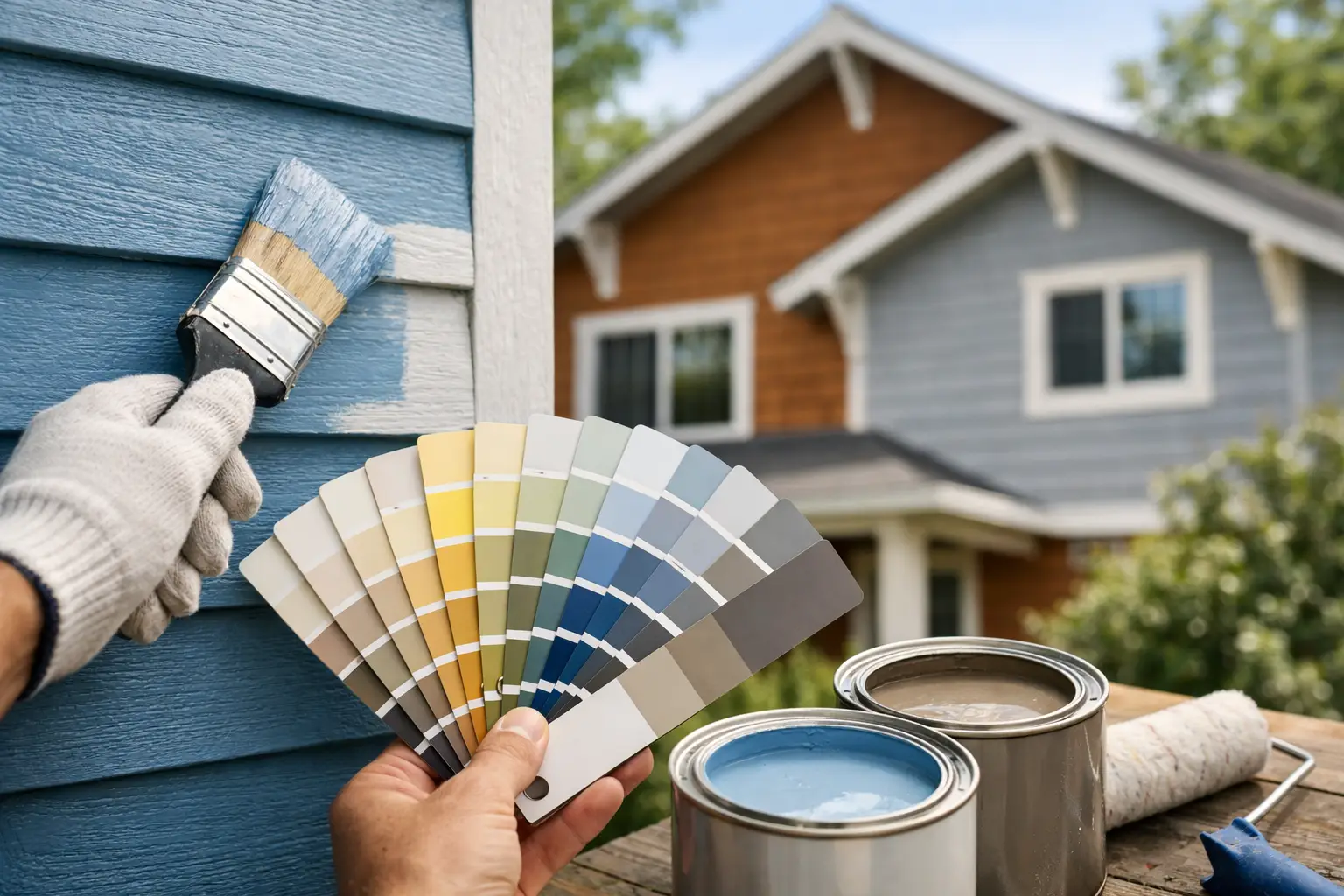
Wood siding can make a house look warm, solid, and timeless – right up until the finish starts peeling, fading, or soaking up weather. Choosing the right exterior paint for wood siding is what separates a quick cosmetic fix from a finish that holds its color, resists moisture, and stays intact through real seasonal wear.
That choice is not just about color. It comes down to how the siding was previously coated, how much sun and moisture the house gets, how old the wood is, and how much maintenance you are willing to take on later. Homeowners want a result that looks clean and lasts. Contractors want a system that covers well, performs consistently, and does not create callbacks. Both need the same thing – the right product, the right prep, and a coating built for exterior wood movement.
What exterior paint for wood siding needs to do
Wood is a demanding exterior surface. It expands and contracts with temperature swings, holds moisture if it is not properly sealed, and can release tannins if the species is prone to staining. That means the best paint is not simply the thickest or the most expensive. It needs flexibility, adhesion, weather resistance, and dependable color retention.
A good exterior coating for wood siding should form a durable film without becoming brittle. If it hardens too much over time, it may crack as the wood moves. If it lacks enough build or binding strength, it may wear down faster on sun-exposed walls or fail on edges and joints where water tends to work in first.
This is also why cheap paint often gets expensive fast. You may save at checkout, but weak coverage, shorter life, and earlier repaint cycles raise the true project cost.
Acrylic latex is usually the right call
For most residential projects, 100% acrylic latex paint is the strongest choice for wood siding. It adheres well, handles expansion and contraction better than older alkyd systems, and offers strong resistance to UV damage and mildew when paired with proper prep. It is also easier to apply and clean up, which matters for both DIY jobs and production work.
Oil-based paints still have a place in some specialty situations, especially when dealing with certain stains, weathered surfaces, or compatibility issues on older homes. But for broad exterior repainting, modern acrylics are typically more forgiving and more durable over time.
If the surface already has old oil paint, compatibility matters. In some cases, a high-quality bonding primer is enough to bridge the transition. In others, more extensive surface preparation is needed before switching systems. That is one of those areas where the right recommendation saves time and prevents failure later.
Finish matters more than many people think
When customers shop for exterior paint for wood siding, they often focus on color first and sheen second. In practice, sheen affects both appearance and maintenance.
Flat and low-luster finishes tend to hide surface imperfections better. That makes them a strong fit for older siding with visible grain raise, patched areas, or minor unevenness. They also create a more traditional exterior look. The trade-off is that flatter finishes can hold dirt more easily and may be a little harder to wash.
Satin is often the sweet spot. It provides a slight sheen, better cleanability, and a durable look without drawing too much attention to flaws in the wood. For many homes, satin gives the best balance between appearance and performance.
Higher-sheen products are less common on siding because they can highlight every defect. They may work on trim, doors, and select architectural details, but they are rarely the first choice for broad wood siding coverage.
Prep is where durability starts
Even premium paint will fail early if it is applied over loose coating, dirt, chalking, or damp wood. Prep is not the glamorous part of the job, but it is where long-term performance is won.
Start by removing dirt, mildew, and contaminants. A proper exterior cleaner helps, especially on shaded elevations where organic growth is common. If mildew is left in place, it can continue growing beneath the new coating and compromise both adhesion and appearance.
Next, scrape and sand any loose or peeling areas. Feathering edges matters because sharp transition lines can show through finish coats and create weak spots. Glossy surfaces should also be dulled so the new coating has a better profile to grip.
Moisture is the non-negotiable factor. Wood siding needs to be dry before priming and painting. If moisture is trapped under the film, blistering and peeling become much more likely. After washing, give the surface enough time to dry based on weather conditions, shade, and airflow.
When primer is necessary
Primer is not always needed over every square foot, but it is often essential on exterior wood. Bare wood, repaired areas, heavily weathered surfaces, and stain-prone species all benefit from proper priming.
On raw wood, primer improves adhesion and helps create a more uniform topcoat appearance. On patched or porous sections, it reduces flashing so the finish looks consistent across the wall. On woods like cedar and redwood, a stain-blocking primer is especially important because tannin bleed can discolor the finish.
If you are painting over a strong existing coating that is sound, clean, and compatible, spot priming may be enough. But when in doubt, a full prime coat can be the smarter investment, especially on older siding with mixed conditions.
Climate and exposure change the answer
Not every wall of the same house wears the same way. South- and west-facing sides usually take more UV exposure. Shaded or tree-covered areas may stay damp longer. Wind-driven rain, coastal salt, freeze-thaw cycles, and strong summer heat all influence how the paint performs.
That is why there is no single best answer for every project. A product that performs well on a protected suburban elevation may not be the right fit for a lakefront property or a house with intense all-day sun. Contractors know this from experience, and homeowners usually notice it after one side starts failing before the others.
In harsher conditions, it often makes sense to step up to a premium exterior line with stronger resin technology, better color retention, and improved resistance to cracking and peeling. The upfront cost is higher, but the added service life can make it the more economical option.
Color choice affects longevity too
Color is not only an aesthetic decision. Darker colors absorb more heat, which can increase stress on wood siding and accelerate movement in some conditions. That does not mean dark colors are off the table, but they need more care in product selection and application.
Lighter shades generally reflect more sunlight and can help reduce surface temperature. They also tend to show less fading over time. If your goal is the longest possible repaint cycle, color selection should be part of the performance conversation, not just the design one.
This is also where accurate color support helps. A color that looks right on a chip can behave differently outdoors depending on light direction, landscaping, roofing, and surrounding materials.
Application habits that make or break the result
Even the right paint can underperform if it is applied under the wrong conditions. Exterior wood siding should not be painted in direct blazing sun if the product is likely to dry too fast. It also should not be coated when rain is close, humidity is excessive, or overnight temperatures fall below the product recommendation.
Following spread rate matters. Stretching paint too far can weaken coverage and film build. Applying it too heavily can also create problems, especially if the top skin dries before the full film cures properly.
For most jobs, brushing and rolling into the grain followed by back-brushing after spray application produces strong adhesion and better penetration on textured wood. Fast production matters, but complete coverage at joints, ends, and edges matters more.
A smart buying approach for homeowners and pros
The best buying decision is usually system-based, not product-only. Think in terms of cleaner, scraper, patch, primer, caulk, finish paint, and the right tools to apply each step properly. Missing one part of the system often costs more than buying it at the start.
For homeowners, that means asking for guidance before checkout instead of after the first peeling spot appears. For trade buyers, it means choosing products with consistent availability, proven performance, and enough inventory depth to keep jobs moving without substitutions.
A full-service supplier like Oui Colour Paint makes that easier because the paint, primers, sundries, tools, and project support can all be sourced in one place. That saves time, reduces guesswork, and helps both DIY and professional customers build a coating system that is meant to last.
If your wood siding is due for a refresh, choose for the surface and the exposure, not just the swatch. The right paint should do more than look good on day one – it should keep working long after the ladders are put away.
