


Can You Paint Over Wallpaper? What to Know First

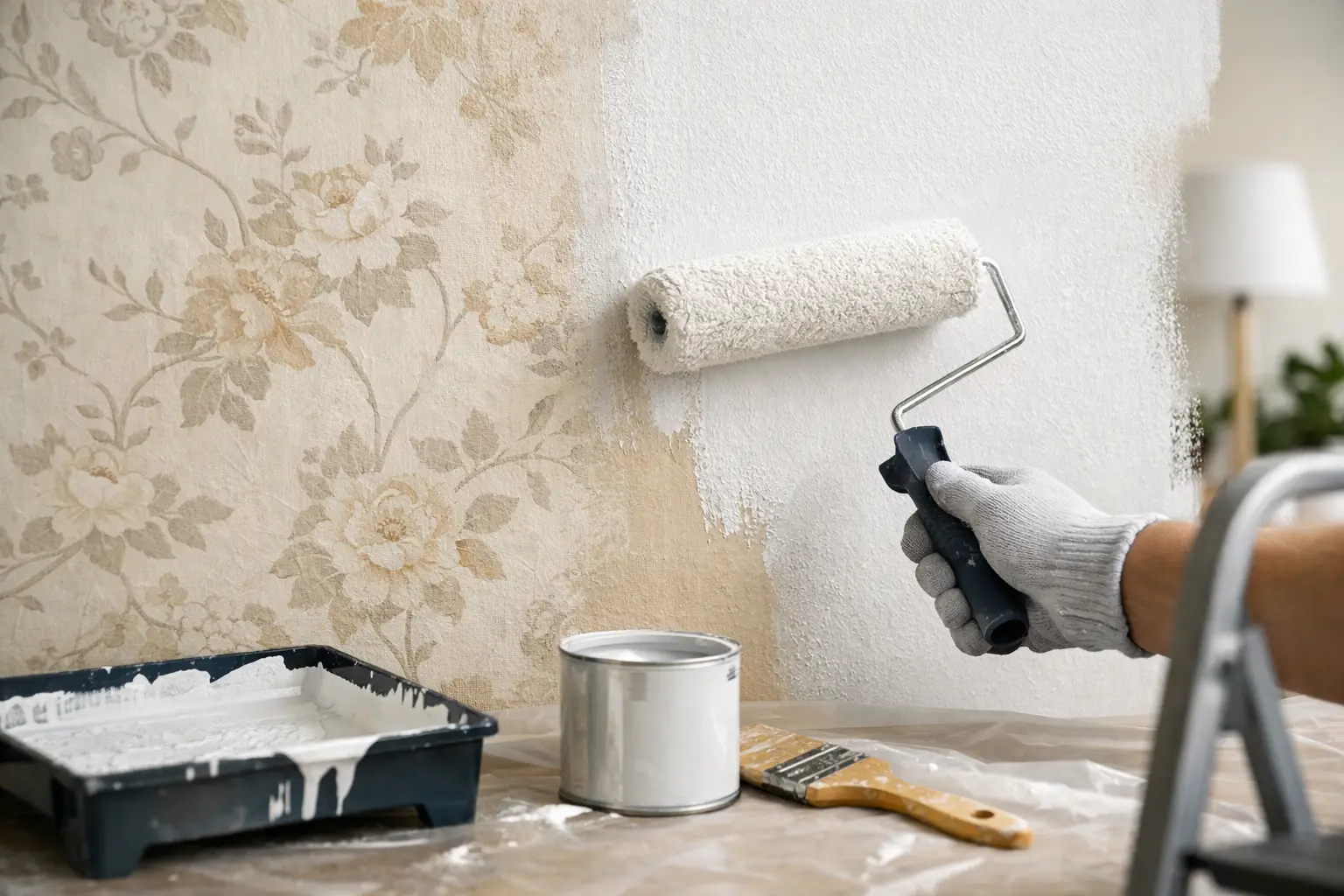
A dated wallpaper pattern can make an otherwise solid room feel impossible to update. The good news is that can you paint over wallpaper is usually a yes – but only when the paper is still firmly attached, the wall is dry, and you are willing to do the preparation properly. Painting can save significant time over stripping stubborn wallpaper, especially in older homes where removal may damage drywall or plaster.
It is not always the best long-term choice. Paint will not repair loose seams, hide a textured pattern completely, or solve moisture problems behind the wallcovering. Before buying paint, assess the condition of the wallpaper and choose the route that gives you a finish you will be happy to live with.
When You Can Paint Over Wallpaper
Painting over wallpaper is a practical option when the existing wallcovering is smooth, clean, dry, and tightly bonded across the entire wall. Vinyl, paper, and older wallcoverings can all be painted, although each needs careful priming. This approach is especially useful when removal could pull the face paper from drywall, disturb fragile plaster, or turn a quick room refresh into a larger repair project.
The best candidates are walls with minimal texture and no signs of adhesive failure. Check corners, seams, areas around windows, and spots behind furniture. If the wallpaper does not lift when gently pressed, that is a promising start. A small amount of seam repair is manageable, but widespread curling or bubbling is a sign that removal is the smarter investment.
Painting is also worth considering if you need to refresh a rental, prepare a property for sale, or update a room on a defined timeline. A quality primer and durable interior paint can transform a busy floral, stripe, or faded neutral into a clean modern backdrop without days of steaming and scraping.
When Painting Over Wallpaper Is a Bad Idea
Do not paint over wallpaper in a bathroom, laundry room, basement, or other area with ongoing humidity unless you have resolved the moisture source first. Paint may temporarily cover the surface, but trapped moisture can weaken adhesive and cause the paper and paint film to peel together.
Removal is usually the better choice when wallpaper is torn, heavily textured, stained by water, moldy, or loose in more than a few small areas. The same applies to wallpaper with obvious raised embossing. Multiple coats of paint can soften the look, but they will not make a deep texture disappear.
Be cautious with wallpaper installed before the late 1970s. Older wallcoverings and adhesives can present unknown materials and should be evaluated carefully before sanding or disturbing them. If you suspect lead-based paint on adjacent surfaces or have concerns about the wall’s condition, consult a qualified professional.
How to Prepare Wallpaper for Paint
Preparation determines whether the finished wall looks intentional or looks like painted wallpaper. Rushing past cleaning, seam repair, and priming is the most common reason a project fails early.
Clean the surface thoroughly
Wallpaper collects cooking residue, dust, hairspray, and everyday grime, particularly in kitchens, hallways, and bedrooms. Wipe the wall with a mild cleaner suitable for painted surfaces, then rinse with clean water as needed. Avoid soaking the paper. Excess water can reactivate the adhesive and loosen seams.
Allow the wall to dry completely. Paint and primer need a dry, stable surface, not wallpaper that has absorbed moisture during cleanup.
Secure loose edges and repair damage
Use wallpaper adhesive to reattach any small lifted seams or edges. Apply only enough adhesive to bond the paper, wipe away excess promptly, and use a seam roller with a light touch. Pressing too hard can push adhesive out or damage the surface.
Fill tiny tears, dents, and open seam gaps with a thin layer of lightweight spackle or joint compound. Once dry, sand the repairs smooth with fine-grit sandpaper. Avoid aggressive sanding over the wallpaper itself, particularly on vinyl or delicate paper-faced products. Your goal is to level repairs, not grind through the wallcovering.
Remove or cut back lifting sections
If an isolated area is badly torn or detached, remove that loose portion rather than trying to paint it flat. Feather the edge with joint compound and sand it smooth after drying. If you find many failing areas as you work, stop and reconsider full wallpaper removal. Primer cannot compensate for an unstable surface.
Protect trim and fixtures
Remove switch plates, cover floors, and mask baseboards, window trim, and ceilings. A clean cut-in line matters even more when the wall has seams or a subtle pattern. For large rooms, use quality painter’s tape and a properly loaded angled sash brush for control around edges.
The Primer That Makes the Difference
A high-quality stain-blocking, adhesion-promoting primer is essential when you paint over wallpaper. Standard wall primer may not adequately seal wallpaper adhesive, prevent stains from bleeding through, or provide reliable bonding over vinyl-coated paper.
For most projects, use an oil-based or shellac-based primer designed to block stains and seal difficult surfaces. These products help prevent wallpaper paste from reactivating under water-based paint and create a more uniform base coat. They are particularly valuable over dark colors, bold patterns, or wallpaper with visible discoloration.
Oil-based and shellac primers have stronger odors and require appropriate ventilation. Wear suitable personal protective equipment, keep the work area ventilated, and follow the product label for dry time and cleanup. If low odor is a priority, ask for a premium water-based bonding primer rated specifically for wallpaper and glossy surfaces, but do not compromise on adhesion for convenience.
Apply one even coat with a brush at seams and edges, then use a roller across the field of the wall. Let it dry fully before checking the surface in angled light. If seams remain visible or repairs need more leveling, apply a skim coat of joint compound, sand lightly once dry, spot-prime those repairs, and then proceed to paint.
Choosing Paint for Painted Wallpaper
After proper priming, most premium interior paints can be used over wallpaper. The right sheen depends on the room and the amount of wall texture you need to disguise.
Flat or matte paint is the most forgiving choice for walls with faint seams, minor repairs, or subtle embossing. Its low reflectivity helps conceal imperfections. It is a strong option for bedrooms, living rooms, and low-traffic formal spaces, provided you choose a washable premium formula.
Eggshell offers a soft finish with greater cleanability, making it a reliable all-purpose selection for dining rooms, hallways, and family areas. Satin is more durable for busy spaces, but its added sheen can highlight seams and patchwork. Semi-gloss is generally best reserved for trim, doors, and cabinets rather than wallpapered walls because it exposes every surface irregularity.
For dramatic color changes, plan on two finish coats after primer. Deep reds, rich navy, charcoal, and bright whites may require an additional coat depending on the paint, color base, and application method. Use a quality roller cover that matches the wall texture, maintain a wet edge, and do not stretch the paint too far.
A Simple Application Sequence
Once the primer has dried and the wall feels smooth, cut in around trim, ceilings, and outlets with a quality angled brush. Roll the main wall in manageable sections from top to bottom, blending each section before the edge begins to dry. Let the first coat dry for the full time listed on the label before applying the second.
Inspect the wall after each coat rather than assuming coverage is complete. Look at it from the side with lights on and during daylight. A faint pattern that disappears head-on may show in angled light, and a missed seam repair is easier to correct before the final coat cures.
Avoid hanging artwork, reinstalling fixtures, or washing the wall until the paint has had time to cure. Dry to the touch is not the same as fully hardened. Giving the coating time to develop will improve its resistance to scuffs, cleaning, and everyday wear.
Is It Better to Remove Wallpaper First?
If the wallpaper is in excellent condition, painting over it can be efficient, economical, and attractive. If you are planning a major renovation, expect to keep the wall for many years, or want the smoothest possible finish, removal may offer a better long-term result. Once wallpaper has been painted, removing it later is often more difficult because paint creates an additional sealed layer.
For trade professionals, the decision often comes down to scope, substrate condition, and client expectations. A paint-over approach can be a smart solution for a stable wall and a tight turnaround. For a high-end renovation or a wall with active seam failure, removal and repair protect the quality of the finished job.
The right materials make this project far less risky. Oui Colour Paint can help you select wallpaper-safe primer, interior paint, application tools, and the supplies needed to repair seams before the first coat goes on. Start with an honest assessment of the wall, then give the preparation the same attention you give the final color – that is what turns a shortcut into a finish that lasts.
