


Oil Based vs Water Based Stain

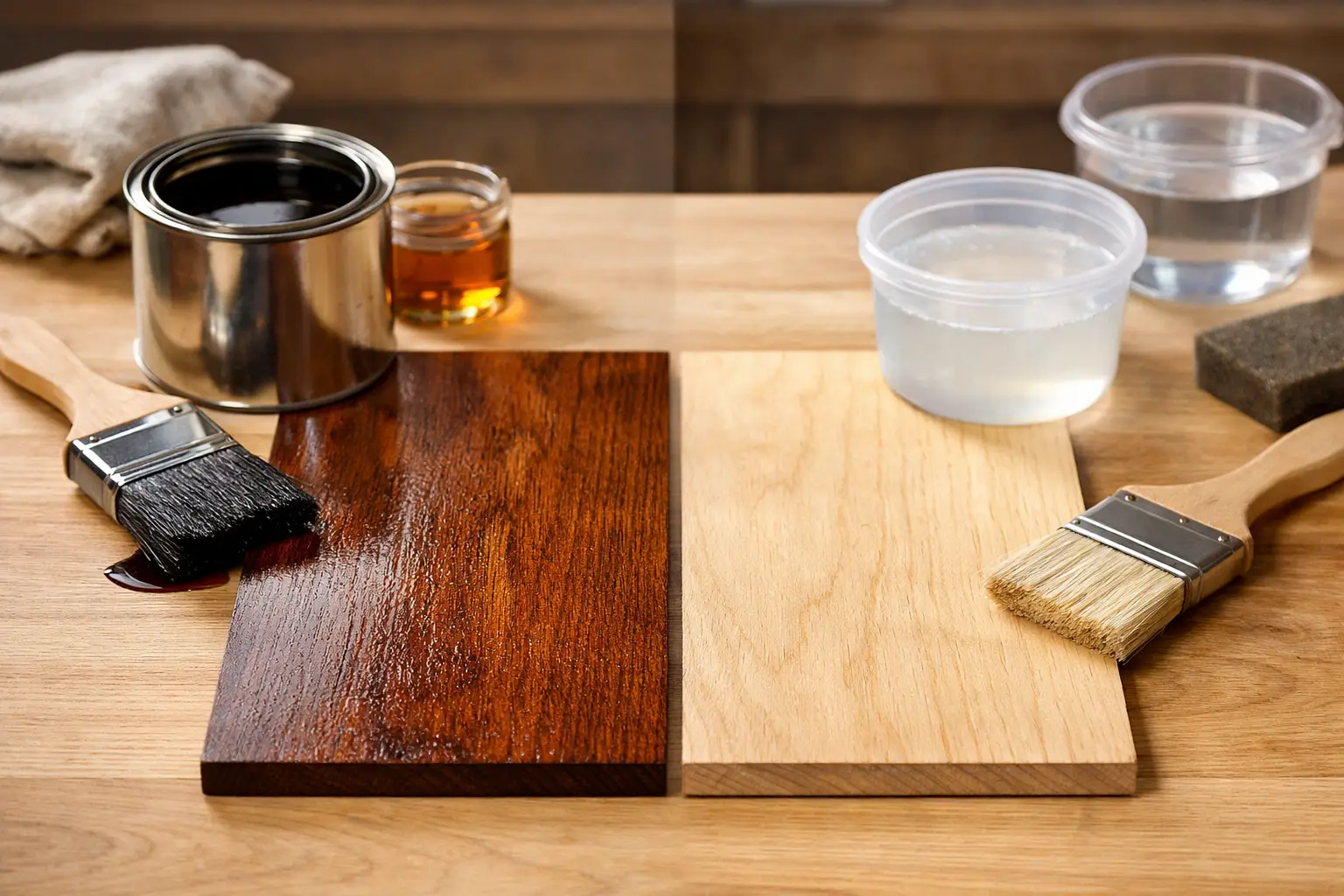
If you have ever stood in the stain aisle comparing labels, dry times, and finish claims, you already know the oil based vs water based stain decision is not just about color. It affects how the wood looks, how long the project takes, how strong the odor will be, and how much maintenance you should expect later. For homeowners and pros alike, choosing the right stain up front saves rework, callbacks, and frustration.
Oil based vs water based stain: the real difference
At the simplest level, the difference comes down to the carrier. Oil-based stains use solvents to carry pigment and binders into the wood, while water-based stains use water. That change in chemistry influences almost everything else, including penetration, drying speed, cleanup, odor, and final appearance.
Oil-based stain tends to soak into wood more slowly and gives you a longer working time. That can be a real advantage on large surfaces like decks, fences, siding, or trim where you need time to maintain a wet edge and wipe evenly. It also tends to highlight grain with a richer, warmer look, especially on woods like oak, pine, and cedar.
Water-based stain dries much faster and usually has a lower odor. It is often the more convenient option for indoor projects, occupied homes, or fast-turn jobs where downtime matters. It also tends to hold color well over time, especially lighter or more contemporary tones where yellowing is a concern.
Neither is automatically better. The right answer depends on the surface, the environment, and how you want the wood to perform.
How each stain looks on wood
Appearance is where many buyers make their final call. Oil-based stain usually produces a deeper, more traditional look. It penetrates well and often brings out more contrast in the grain. On rustic furniture, wood trim, beams, and exterior wood, that added warmth is often exactly what people want.
Water-based stain generally looks more even and more predictable in color, especially across large areas. It can be a strong choice when you want cleaner tones, less ambering, or better consistency from board to board. On modern interiors, cabinetry, or furniture where the goal is a clearer color rather than a heavily enriched grain, it often performs very well.
That said, species matters. Softwoods such as pine can absorb stain unevenly no matter which formula you choose. Hardwoods with tight grain may also behave differently than open-grain woods. A test board is never wasted time.
Oil-based stain and color depth
Oil-based formulas are often preferred when clients want a classic wood look. Dark walnut, provincial, red oak, and similar shades tend to read fuller and more dimensional. If you are restoring older furniture or matching existing trim, oil-based stain can be easier to blend visually with legacy finishes.
Water-based stain and color clarity
Water-based formulas are useful when you want the stain color to stay closer to the can sample without as much warming. Grays, weathered browns, and cooler decorative tones often hold truer with water-based systems. That can be useful in newer homes and commercial interiors where cleaner palettes are common.
Dry time, odor, and jobsite efficiency
This is where water-based stain wins a lot of projects.
Water-based stain dries quickly, which means you can often move faster through recoats or topcoats. For contractors, that can improve scheduling. For DIY customers, it can mean finishing a furniture project in a weekend instead of stretching it into several days. Cleanup is also easier because soap and water usually do the job.
Oil-based stain takes longer to dry, but that slower open time can help with application. You have more time to brush, wipe, and level out the finish before it sets. On detailed millwork or larger wood surfaces, that extra time can make the result look more consistent. The trade-off is stronger odor, longer wait times, and solvent cleanup.
For interior projects in occupied spaces, water-based stain is often the practical choice. For exterior work or projects where a slower, more forgiving application matters, oil-based stain may still be the better fit.
Durability and maintenance expectations
Stain performance is never just about the can. Surface prep, exposure, wood condition, and topcoat choice all affect durability. Still, there are some reliable patterns.
Oil-based stains are often valued for penetration and long-term wear, especially on exterior wood exposed to changing weather. They can perform well on decks, fences, and siding because they bond into the wood rather than just sitting on top. Many pros still prefer oil-based options for older or drier exterior lumber because of the way they feed into the surface.
Water-based stains can also be highly durable, particularly when paired with the correct prep and protective system. They tend to resist fading well and are a strong choice when UV stability and color retention matter. On interior woodwork, cabinetry, furniture, and trim, water-based stain topped with a quality clear coat can provide excellent service life.
The maintenance difference often comes down to exposure. Exterior horizontal surfaces take the most punishment, whether the stain is oil-based or water-based. Sun, snow, standing water, foot traffic, and freeze-thaw cycles all shorten the maintenance window.
Best uses for oil based vs water based stain
Choosing by project type usually makes the decision easier.
When oil-based stain makes sense
Oil-based stain is often the better fit for decks, fences, pergolas, outdoor furniture, wood siding, and older exterior wood that needs deeper penetration. It is also a strong option for interior trim or furniture when the goal is a richer, warmer finish and you have time for proper ventilation and drying.
If you are staining a large outdoor area and want more working time to avoid lap marks, oil-based formulas can be very forgiving. They also remain a go-to choice for many restoration projects where traditional appearance matters.
When water-based stain makes sense
Water-based stain is usually the smart choice for interior furniture, cabinets, doors, trim, crafts, and fast-turn renovation work. It is especially useful in occupied homes, retail spaces, and commercial environments where odor and downtime need to stay low.
It also works well when color clarity matters, when cleanup needs to be simple, or when your crew needs to move quickly from stain to topcoat. For many newer DIYers, water-based stain feels easier to manage because it dries quickly and cleans up fast.
Application matters as much as product choice
A great stain can still fail on a poorly prepared surface. Wood must be clean, dry, and free of old failing coatings. Sanding should be even, and dust removal needs to be thorough. If the surface has glue spots, mill glaze, grease, or weather damage, the stain will show it.
Oil-based stain usually gives you a bit more forgiveness during application, but that does not mean you can skip process. Wipe excess consistently, watch for pooling, and keep your application pattern even. Water-based stain requires more speed and attention because it flashes faster. On large surfaces, working in manageable sections is the safest approach.
Always confirm whether a conditioner, pre-stain treatment, or compatible topcoat is recommended for your wood species and project. That is especially important with blotch-prone woods like pine, maple, and birch.
Which stain should you buy?
If your priority is warmth, penetration, and a more traditional wood look, oil-based stain is often the right investment. If your priority is convenience, lower odor, faster dry time, and easier cleanup, water-based stain is hard to beat.
For deck boards, fences, and aging exterior wood, many buyers still lean oil-based. For cabinets, furniture, trim, and quick indoor projects, water-based usually makes more sense. There are exceptions, of course. A pro managing a tight exterior timeline may choose water-based for speed, while a furniture finisher may prefer oil-based for depth and blending.
That is why the best buying decision is not based on one feature alone. Look at the wood species, the setting, the drying conditions, the finish you want, and how the space will be used. A good product match saves labor, improves appearance, and helps the finish last longer.
If you are weighing oil based vs water based stain for an upcoming project, the best next step is to match the stain to the surface, not just the color swatch. The right finish should work as hard as you do.
