


How to Choose Rust Proof Metal Paint

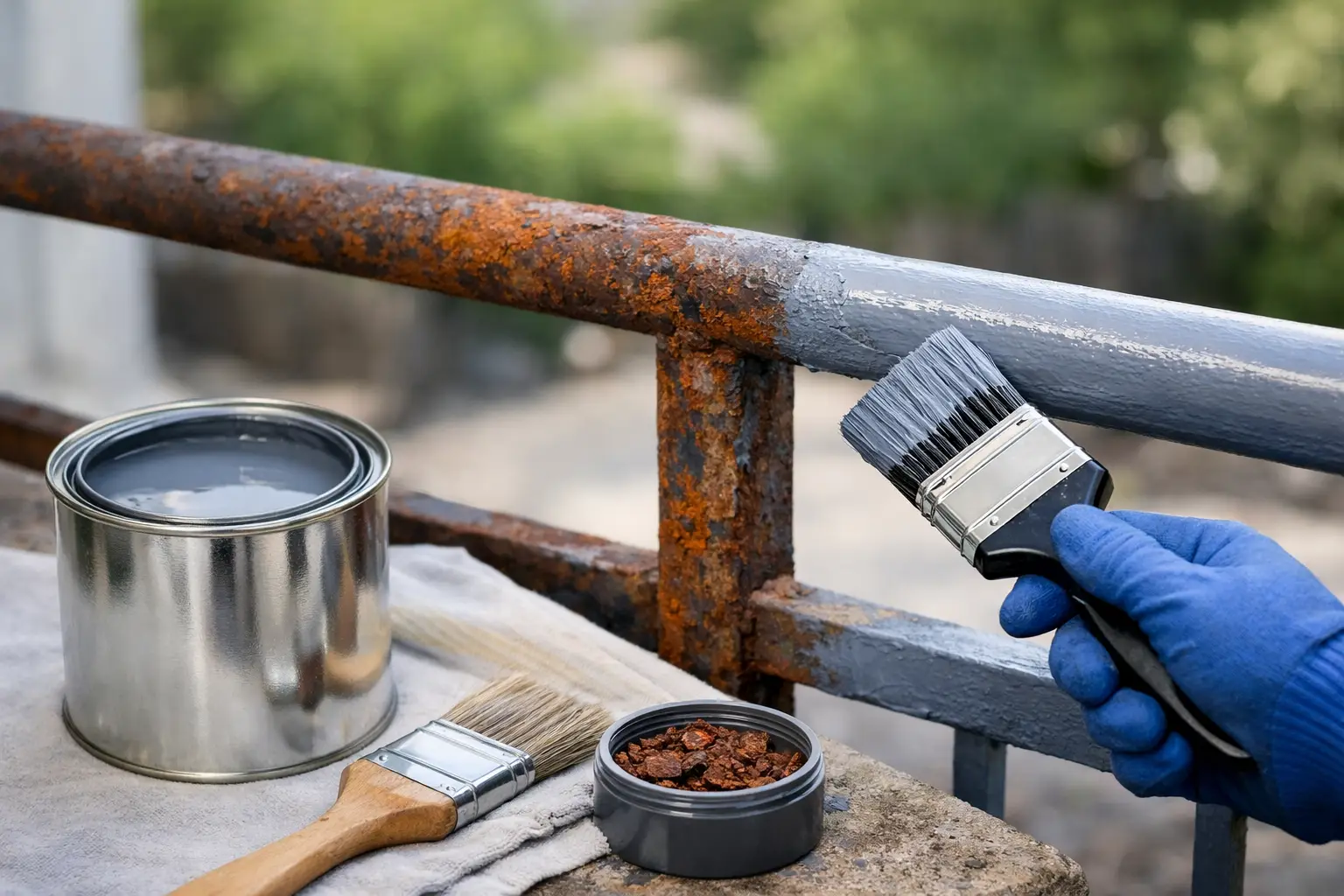
That porch railing looked solid last spring. Then a few chips turned into orange streaks, bubbling paint, and the kind of corrosion that spreads faster than most people expect. Choosing the right rust proof metal paint is what keeps a small cosmetic issue from becoming a repair project.
The catch is that not every metal paint actually solves the same problem. Some coatings are designed to stop active rust. Others are meant to protect clean metal before rust starts. Some hold up well outdoors on gates, railings, and patio furniture, while others are better suited to machinery, tools, or lower-visibility utility surfaces. If you want a finish that lasts, the best choice depends on the metal, the condition of the surface, and how much wear that item will see.
What rust proof metal paint actually does
Rust proof metal paint is designed to create a barrier between metal and the conditions that cause corrosion, mainly moisture, oxygen, and weather exposure. On ferrous metals like iron and steel, that barrier matters because once rust starts, it keeps working under weak or damaged coatings.
A good product may do one or more jobs at once. It can seal the surface, resist water, tolerate expansion and contraction outdoors, and in some cases bond over tightly adhered rust after proper prep. That does not mean it can rescue severely deteriorated metal with no effort. If the substrate is flaking apart, the paint is not the fix. At that point, replacement or deeper restoration is usually the smarter call.
For homeowners, this usually comes up on fences, railings, patio sets, doors, planters, and outdoor fixtures. For contractors, it may be structural touch-ups, shop-fabricated steel, site railings, service doors, exposed mechanical components, or maintenance work where speed and reliability matter. In both cases, coating performance starts with matching the paint system to the job.
Not all metal surfaces need the same rust proof metal paint
The biggest mistake buyers make is shopping by color or sheen before they confirm compatibility. Bare steel, galvanized metal, aluminum, and previously painted iron all behave differently.
Steel and iron are the most common surfaces for rust-inhibiting coatings. If they are bare or rusting, you want a product specifically intended for ferrous metal. These coatings are built to resist corrosion and often pair with a dedicated primer for better adhesion and longer service life.
Galvanized metal is different because the zinc coating can reject some paints if the wrong primer is used. Aluminum does not rust like steel, but it still benefits from coatings that improve adhesion and weather resistance. If you are painting over an old finish, the condition of that existing coating matters just as much as the metal underneath. A stable, well-bonded surface can often be cleaned, sanded, spot-primed, and recoated. A peeling finish needs to come off first.
This is why product labels matter. A paint that performs beautifully on a wrought iron gate may not be the right choice for galvanized downspouts or aluminum outdoor furniture.
Surface prep decides how long the finish lasts
If there is one part of the job that determines success, it is prep. Even the best coating will fail early if it is applied over chalk, grease, loose rust, or peeling paint.
Start by removing dirt, oil, salt, and contaminants. On exterior surfaces, that can mean a thorough wash and enough drying time before coating. Then deal with rust. Loose, scaling rust has to be scraped or wire brushed away. Feather rough paint edges so the new coating can sit evenly on the surface. Sanding also helps create tooth for adhesion on glossy or aged finishes.
What you do next depends on the condition of the metal. If it is mostly clean and bare, a rust-inhibitive primer is often the safest route. If there is minor, tightly bonded rust that cannot be fully brought back to bright metal, some direct-to-metal products can work well, but only within the limits stated by the manufacturer. That is an important distinction. “Paints over rust” does not mean “paint over heavy corrosion and hope for the best.”
Professionals already know that shortcuts in prep usually show up as callbacks. DIY customers feel it too, just later, when a railing starts blistering after one wet season.
Primer or direct-to-metal paint?
This is one of the most common buying questions, and the honest answer is that it depends on the job.
A primer plus topcoat system usually offers the best overall durability, especially on bare steel, high-exposure exterior surfaces, and projects where appearance matters. Primer helps with adhesion, blocks corrosion, and creates a more uniform base for the finish coat. It is often the better choice for new metal fabrication, restoration work, and high-value items you do not want to repaint soon.
Direct-to-metal coatings are popular because they save time. They can be a strong option for maintenance work, utility surfaces, and projects where speed matters as much as finish quality. Many are built to combine rust resistance and color in fewer steps. That convenience is real, but it does not erase the need for prep or make every DTM product suitable for every substrate.
If the surface is exposed to frequent moisture, temperature swings, or abrasion, a full system usually gives you more insurance. If the project is smaller, lower risk, or time sensitive, a quality DTM product may be the practical choice.
Interior versus exterior use matters more than people think
Some metal coatings look similar on the shelf but perform very differently once they are exposed to sun, rain, freeze-thaw cycles, or humidity. Exterior applications need better UV stability, stronger moisture resistance, and enough flexibility to handle seasonal movement.
That matters for entry doors, railings, exterior stair components, metal fencing, sheds, and furniture. Even covered areas can collect moisture from condensation or wind-driven rain. If the coated item will live outside, use an exterior-rated system.
Interior metal still has its own challenges. Basement shelving, laundry equipment, pipes, radiators, and workshop surfaces may face humidity, scuffing, or chemical contact. In those settings, the right finish may be less about UV resistance and more about washability, hardness, or dry time.
Choosing by location keeps you from overpaying for properties you do not need or underbuying for an environment that is harder on coatings than it looks.
Finish, dry time, and application all affect the result
Gloss level is not only about appearance. Higher-sheen finishes are generally easier to wipe clean and can shed moisture well, which makes them useful on many metal surfaces. Lower sheens can hide imperfections better, which helps on aged or heavily repaired items. If presentation matters, that trade-off is worth considering.
Dry time also influences project planning. Fast-drying products are convenient, especially for contractors turning work around quickly or homeowners trying to finish in a weekend. But fast dry can mean shorter working time, more visible lap marks in hot conditions, or tighter recoat windows. Slower systems can flow out better and build a smoother finish, though they may keep the item out of service longer.
Then there is application method. Brush and roller work well for railings, trim, touch-ups, and smaller projects. Spray can produce a cleaner finish on furniture, fencing, and fabricated pieces, but it demands more prep, masking, and ventilation. The best product is one that fits how you will actually apply it, not just how it looks on the can.
When to spend more on a better coating
Not every project needs a premium system, but many do. If the metal is hard to access, expensive to replace, or exposed to constant weather, buying better paint is usually cheaper than repainting early.
That applies to commercial maintenance too. Labor is often the real cost, not the can of paint. A longer-lasting coating system can make much more financial sense than a lower upfront price if it reduces return visits, shutdowns, or touch-up work.
For homeowners, the same logic holds on decorative metal that affects curb appeal. Front railings, gates, and outdoor furniture are visible every day. A better finish protects the surface and keeps the project looking intentional rather than patched.
If you are unsure which system fits your project, this is where buying from a full-service paint supplier makes a difference. Matching the coating to the substrate, condition, and use case saves time and prevents expensive trial and error.
The smartest way to buy rust proof metal paint
Start with three questions. What metal are you painting, what condition is it in right now, and where will it live once the job is done? Those answers narrow the field quickly.
From there, think in systems rather than single cans. Surface prep, primer choice, topcoat durability, tools, and application conditions all work together. A strong result comes from that combination, not from a marketing claim on the front label.
For both DIY projects and trade work, the goal is the same: fewer failures, better coverage, and a finish that holds up in real conditions. Rust does not wait for perfect timing, so choosing the right coating now is usually the easiest part of protecting the metal you want to keep.
