


Best Primer for Glossy Surfaces

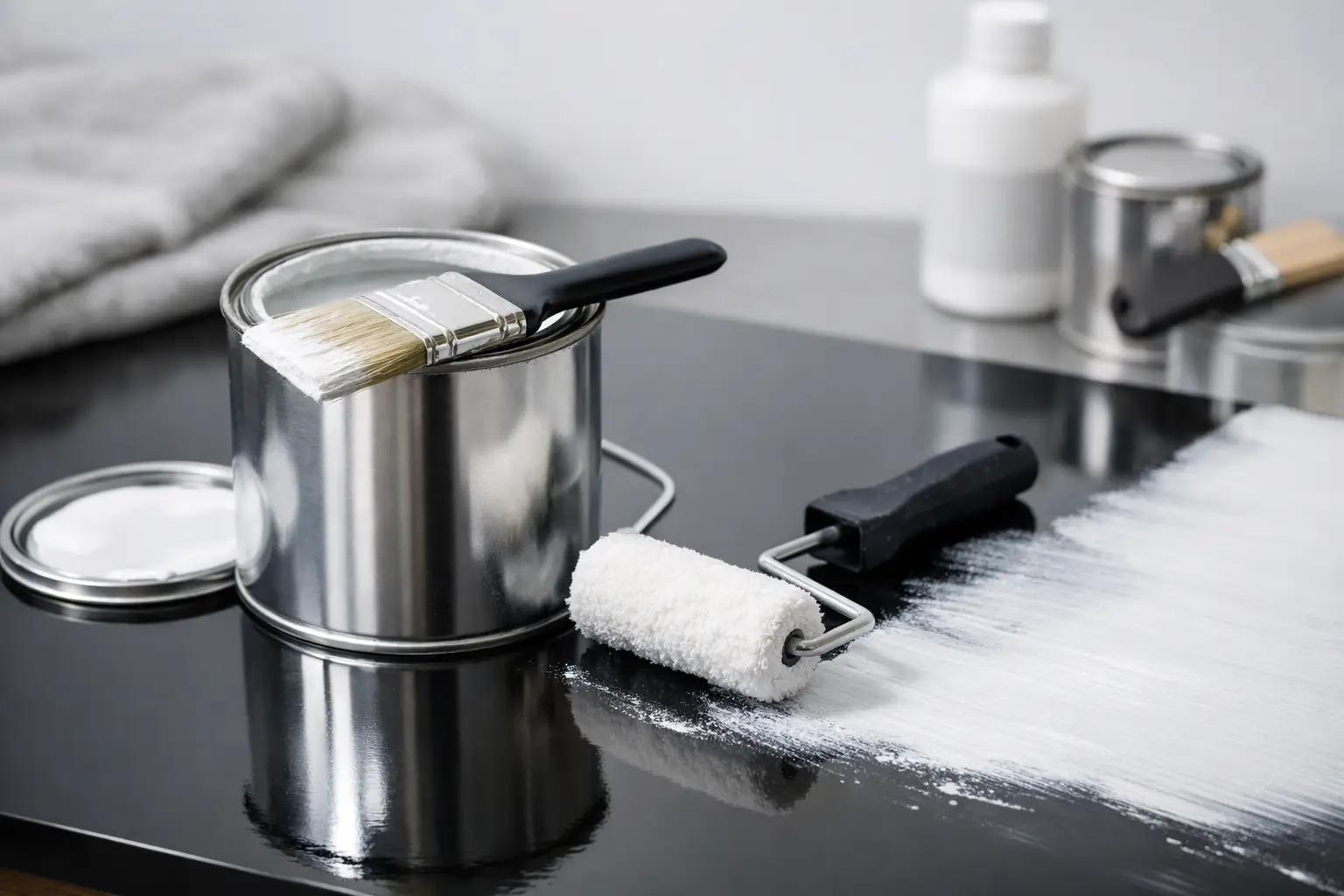
Glossy trim, laminate cabinets, factory-finished doors, and shiny furniture all create the same problem – paint has very little to grab onto. That is exactly where a primer for glossy surfaces earns its keep. If you skip it, the topcoat may look fine for a week, then start scratching, peeling, or chipping far sooner than it should.
The good news is that glossy surfaces are paintable. The catch is that success depends less on the color coat and more on the prep and primer you choose. For homeowners, that means fewer redo projects. For painters and contractors, it means fewer callbacks and a finish that holds up under real use.
What makes a primer for glossy surfaces different?
A standard wall primer is not always enough for a slick, hard finish. Glossy materials resist adhesion by design. They are smooth, dense, and often sealed, so regular coatings can sit on top instead of bonding properly.
A primer for glossy surfaces is formulated to bite into that hard finish and create a surface your paint can lock onto. Depending on the product, it may also block stains, level out small imperfections, and improve final coat uniformity. That matters on high-visibility surfaces like kitchen cabinets, handrails, interior doors, and furniture where every flaw tends to show.
Not every glossy surface behaves the same way, though. Painted trim with an old semi-gloss finish is one thing. Melamine shelving, vinyl-faced cabinets, metal doors, and lacquered furniture can each need a slightly different approach. The right primer is less about finding one magic can and more about matching the product to the substrate and the abuse that surface will see.
When you actually need a primer for glossy surfaces
If you are repainting a flat or lightly eggshell wall in good condition, a dedicated bonding primer may be unnecessary. But glossy and slick materials are a different category.
You should strongly consider a bonding primer when painting previously enamel-coated trim, laminate, melamine, glossy cabinets, varnished wood, metal, PVC, or factory-finished surfaces. It is also a smart move when switching from a dark glossy finish to a light color, or when the surface has minor stains, filler patches, or mixed porosity after repairs.
There are a few exceptions. Some high-adhesion paints advertise direct-to-surface performance on select glossy materials. In controlled conditions, that can work. Still, for busy homes, rental turnovers, and trade jobs where durability matters, primer is usually the safer choice. The labor to prep a surface is the expensive part. Saving one coat up front is rarely worth a failure later.
Do you still need to sand?
Usually, yes – but not always heavily.
This is where people get tripped up. A primer for glossy surfaces improves adhesion, but it does not excuse poor prep. Surface contaminants like grease, wax, furniture polish, cooking residue, and soap film will interfere with bonding no matter how strong the primer is.
Start by cleaning thoroughly with an appropriate degreaser or surface cleaner, then rinse if required and allow the surface to dry. After that, a light scuff sand often helps. You are not trying to strip the old finish completely. You are just dulling the sheen and giving the primer more texture to grip.
On cabinets, trim, and furniture, a light sanding with a fine grit is typically enough. On laminate or factory-finished pieces, aggressive sanding can sometimes do more harm than good if it damages the face layer. In those cases, careful cleaning plus a quality bonding primer is often the better route.
If the surface is peeling, flaking, or unstable, primer will not fix that. Loose material has to come off first. Primer works best over a sound, clean, and properly prepared base.
Water-based vs oil-based bonding primers
This choice depends on the surface, the environment, and your tolerance for odor and cleanup.
Water-based bonding primers have improved significantly. Many now offer excellent adhesion on glossy painted woodwork, cabinets, and trim while keeping odor lower and cleanup easier. For occupied homes, condos, and quick-turn residential work, that can be a major advantage. They also tend to dry faster, which helps keep a project moving.
Oil-based or alkyd-based primers still have a place, especially on difficult surfaces, old coatings with uncertain history, or projects where stain blocking and hard cure matter as much as adhesion. They can be a strong option for older woodwork, heavy tannin issues, and certain previously finished surfaces. The trade-off is longer dry time, stronger odor, and more demanding cleanup.
Shellac-based primers are another category worth knowing. They are especially useful when odor sealing, stain blocking, or problematic bleed-through is part of the job. They stick aggressively, but they dry fast and can be less forgiving for larger DIY projects if you are not ready to work quickly.
For many customers, the best move is simple: choose a premium bonding primer that clearly states compatibility with glossy painted surfaces, laminate, melamine, metal, or varnished wood depending on the project.
Where bonding primers matter most
Cabinets and vanities
Kitchen and bath cabinetry take daily wear, moisture, cleaning, and handling. A primer for glossy surfaces helps the finish resist chipping around pulls, corners, and high-touch areas. This is one of the clearest cases where shortcutting the prep system usually shows up fast.
Trim, doors, and railings
These areas get bumped, cleaned, and touched constantly. Glossy trim paint from years past can be especially slick. Primer helps new enamel coats adhere evenly and maintain a more professional look.
Furniture and built-ins
Factory finishes, clear coats, and lacquered surfaces often reject direct-applied paint. A dedicated primer reduces the chance of scratching and improves long-term hold.
Metal and specialty surfaces
Not every bonding primer is ideal for every metal, so check the label. Some are excellent for previously painted metal, while others are better limited to wood and hardboard products. Matching the primer to the exact surface is what separates a durable finish from a quick cosmetic fix.
Common mistakes that lead to peeling
Most adhesion failures come from process, not just product.
Painting over grease is a big one, especially on kitchen cabinets and doors near handles. Skipping the scuff sand is another common issue. Applying primer too heavily can also create problems, because thick coats may not cure as well as thinner, even coats.
Dry time matters more than many people think. A primer may feel dry to the touch but still need more time before recoating. If you rush the topcoat, especially in cool or humid conditions, you can compromise the bond. The same goes for cure time after painting. A cabinet finish is often vulnerable for days even if it looks finished in a few hours.
Using the wrong topcoat can also undermine good prep. If you prime properly but apply a soft wall paint over doors or cabinets, performance will still disappoint. The system has to make sense from primer through finish coat.
How to choose the right product with confidence
Start with the surface type, not the brand name alone. Ask whether you are painting glossy painted wood, laminate, melamine, varnished wood, metal, or a mixed-material surface. Then think about conditions: Is this a bathroom vanity, a rental property, a residential trim refresh, or a high-traffic commercial touch-up?
Next, consider job constraints. If low odor and fast turnaround matter, a high-quality water-based bonding primer may be the best fit. If you are dealing with old stains, wood tannins, smoke damage, or uncertain previous coatings, an oil-based or shellac-based option may be worth it.
For pros, consistency matters just as much as adhesion. Using a proven primer system across similar substrates helps reduce surprises on the jobsite. For DIY customers, the biggest advantage is confidence. The right primer turns a risky paint project into a far more predictable one.
That is also where a full-service paint supplier adds real value. Instead of guessing from a crowded shelf, you can match the primer, topcoat, tools, and prep materials to the actual surface in front of you. Oui Colour Paint supports both homeowners and trade buyers with that kind of project-based guidance, along with the convenience of getting everything in one order.
Primer for glossy surfaces: worth it every time?
For low-stakes decorative items that will see almost no wear, maybe not every time. But for cabinets, doors, trim, furniture, and other hard, shiny surfaces, primer is usually the difference between paint that sticks and paint that simply dries.
The real payoff is not the first-day look. It is month six, when the finish still holds at the corners, around hardware, and on the edges people touch every day. If the surface is glossy, treat adhesion as the job – and the color coat will have a much better chance to do its part.
