7 Best Primers for Bare Drywall

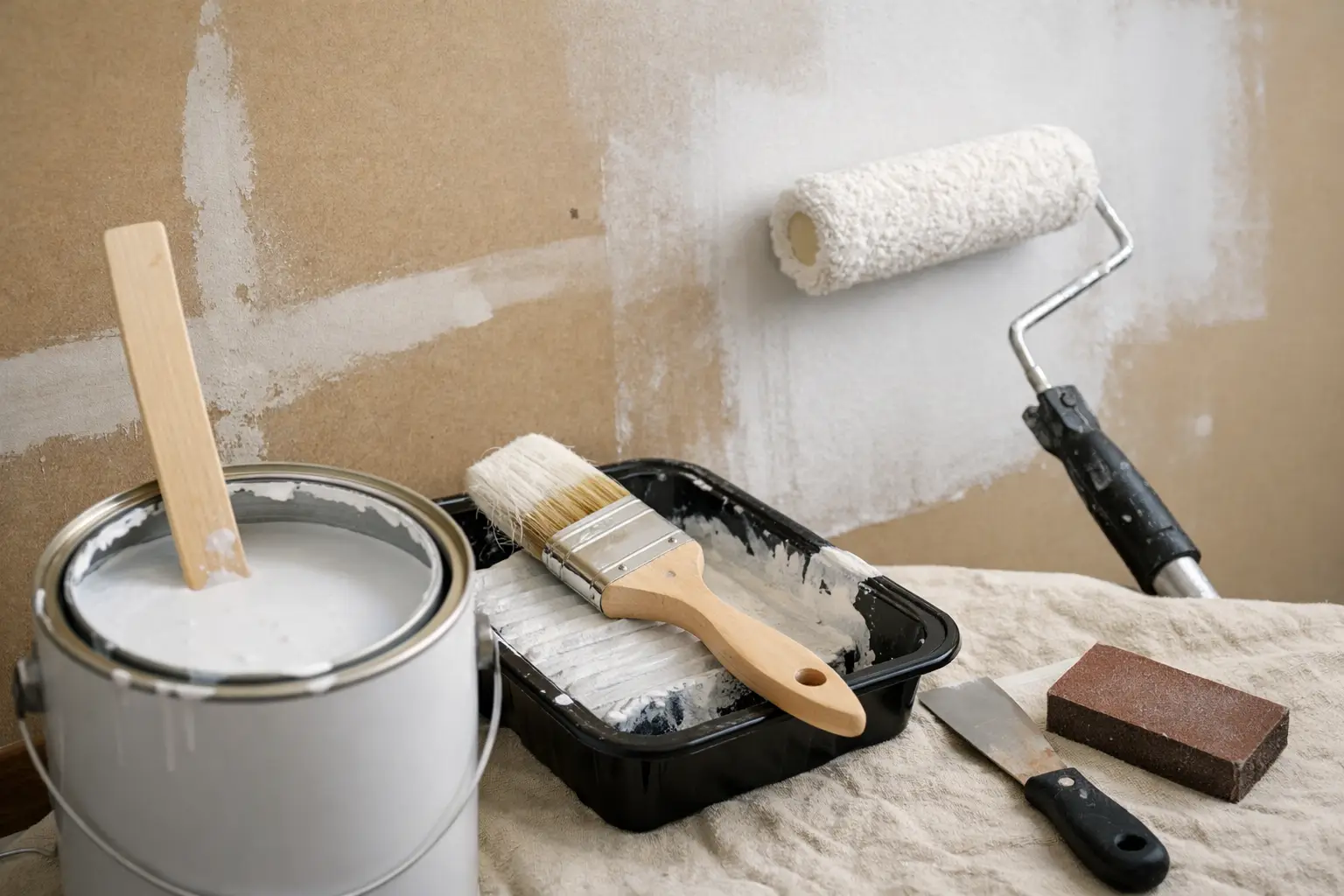
Fresh drywall has a way of exposing every shortcut. If you paint it without the right primer, the surface can absorb finish paint unevenly, flash under certain light, and force you into extra coats you did not budget for. That is why choosing the best primers for bare drywall matters before the first color coat ever goes on.
For both homeowners and contractors, the goal is the same: seal the paper, even out porosity, and create a consistent base so the topcoat performs the way it should. The catch is that not every drywall primer is built for the same job. A new basement, a patched hallway, and a high-traffic commercial space may all need different answers.
What makes the best primers for bare drywall?
Bare drywall is porous in two different ways. The face paper absorbs differently than the joint compound, and that mismatch is what causes a blotchy finish if you skip primer or use the wrong one. A good drywall primer reduces that contrast so your finish coat dries to a more even sheen and color.
The best option usually comes down to three things: how new the surface is, what finish paint you plan to use, and whether you are dealing with anything beyond clean new drywall. If the surface is truly fresh and clean, a dedicated PVA drywall primer is often the most cost-effective choice. If you need better adhesion, more durability, or greater flexibility across different substrates, an acrylic primer can be the better buy.
There is also a practical cost question. A cheaper primer that needs heavier application or leads to a third coat of finish paint is not actually saving money. Pros know this already. DIY customers usually find out halfway through the second wall.
1. PVA drywall primer for brand-new drywall
If you are priming freshly installed drywall with no stains, smoke, or water marks, PVA primer is usually the standard starting point. PVA stands for polyvinyl acetate, and this type of primer is specifically made to seal porous drywall and joint compound.
Its biggest advantage is value. It lays down fast, sands reasonably well once dry, and helps your finish paint cover more evenly. On large residential repaints, tenant turnovers, and new construction interiors, it is often the most efficient option when conditions are clean and straightforward.
The trade-off is performance range. PVA is not the primer you reach for when you need stain blocking, maximum adhesion to mixed surfaces, or a tougher film. It is a drywall solution, not a solve-everything product.
2. Acrylic latex primer for better all-around performance
Acrylic latex primer is often the better choice when the job is not limited to perfect new drywall. If the room includes patched areas, skim-coated spots, previously painted trim nearby, or sections that need a bit more insurance under higher-end topcoats, acrylic primer gives you more flexibility.
Compared with basic PVA, acrylic primers usually offer stronger adhesion and a more durable sealed surface. They also pair well with premium interior paints where sheen consistency matters. If you are applying eggshell, satin, or semi-gloss, that added control can be worth the extra cost.
For many homeowners, this is the best balance between performance and simplicity. For many contractors, it is the safe pick when a jobsite is not as clean or uniform as the work order suggests.
3. High-build primer for imperfect drywall
Some drywall looks smooth until daylight hits it from the side. Then every seam, sanding swirl, and surface variation shows up. In that case, a high-build primer can help by adding more film thickness and improving surface uniformity before paint.
This is not a substitute for proper prep. If the joints are rough, the surface still needs sanding and correction. But when the drywall is decent and just needs a little help to look more consistent, a high-build product can reduce telegraphing and improve the finished appearance.
It is especially useful in living rooms, hallways, and commercial spaces with strong side lighting. The main downside is dry time and application feel. Some high-build primers are heavier to roll and may require a bit more technique to avoid texture issues.
4. Stain-blocking primer for problem drywall
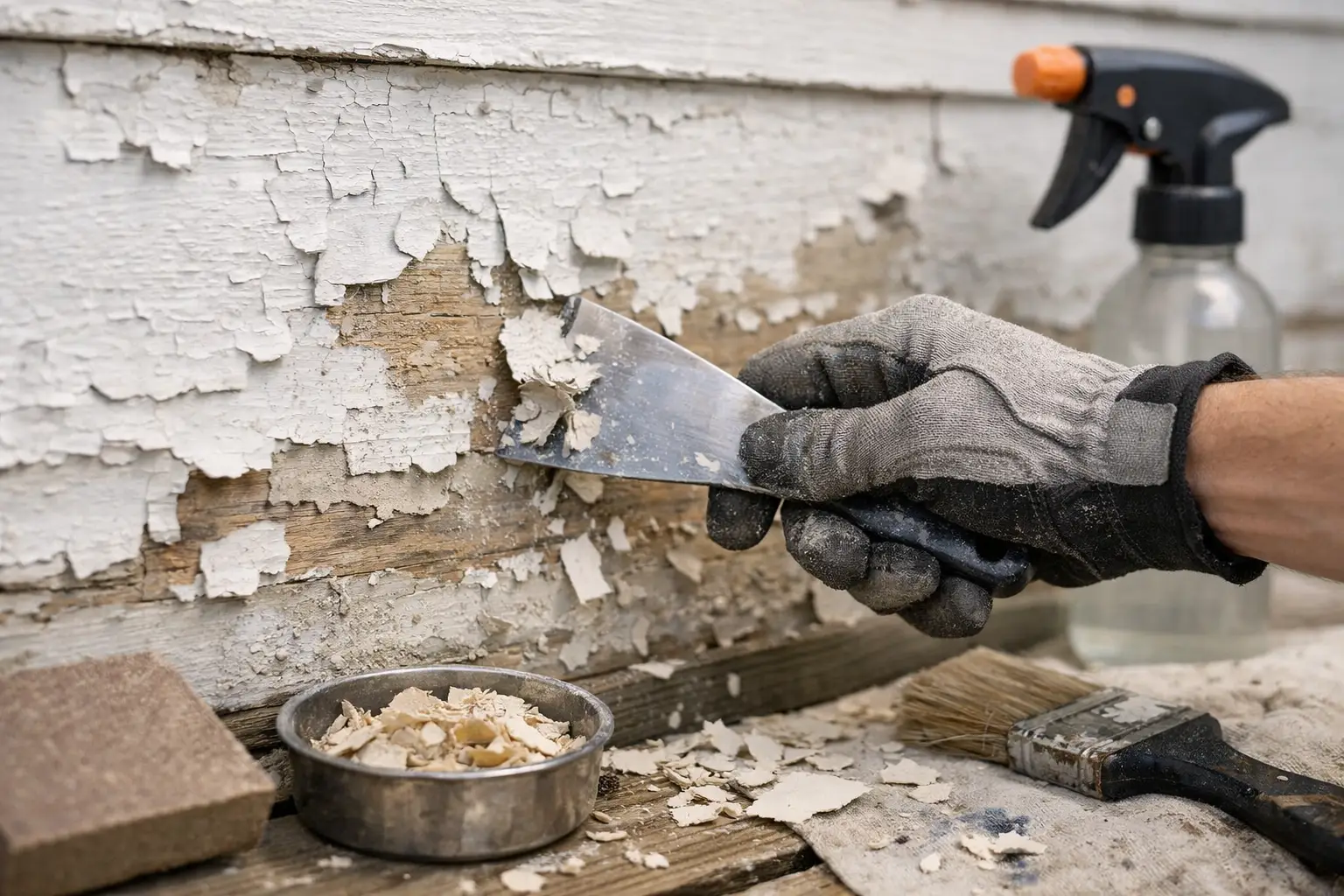
Not all bare drywall is truly clean. Sometimes you are working over repaired water damage, smoke residue, marker bleed, tannin transfer from adjacent materials, or old stains that remain after patching. In those cases, standard drywall primer is not enough.
A stain-blocking primer, whether water-based or shellac/oil-based depending on severity, is the better call. This is one of those areas where choosing by price alone often backfires. If a stain comes through after the finish coat, you are doing the work twice.
For light to moderate issues, advanced water-based stain blockers are often enough and keep cleanup easier. For severe bleed-through or odor sealing, stronger specialty primers may be necessary. It depends on the source of the contamination and how much risk you can tolerate.
5. Bonding primer when drywall meets other surfaces
Many real-world rooms are not pure drywall jobs. You may have bare drywall beside glossy painted areas, wood trim, metal corner bead, or patched surfaces that vary from one section to the next. That is where a bonding primer earns its place.
Bonding primers are designed to grip difficult surfaces better than standard drywall primers. If you are trying to simplify product selection across a mixed-substrate project, this can save time and reduce the chance of adhesion problems later.
That said, bonding primers are often more than you need for basic new drywall. If the walls are clean and uniform, using a specialty bonding product across the whole job may add cost without adding much benefit.
6. Tinted primer for strong color changes
If your topcoat is a deep, dramatic color, a tinted primer can help with hide and color consistency. This matters less on plain white ceilings and more on accent walls, dark dining rooms, or commercial interiors with saturated brand colors.
Tinted primer is not always a separate category of product. Often it is your selected primer tinted toward the finish color to improve coverage. It will not replace proper sealing on bare drywall, but it can reduce the number of finish coats needed in certain color transitions.
The key is not to confuse tinted primer with paint-and-primer-in-one. On bare drywall, you still need an actual primer coat. Paint-and-primer blends are topcoats, not substitutes for first-coat drywall sealing.
7. Fast-drying primer for speed-sensitive jobs
On occupied homes, quick-turn rentals, and commercial schedules, dry time matters. A fast-drying primer can keep the job moving, especially when multiple coats need to happen in the same day.
This can be a smart choice for pros managing labor efficiently or homeowners trying to finish a room over a weekend. The best fast-drying primers still need proper film formation, though. If you rush recoat times too aggressively, you can compromise adhesion or finish quality.
Speed is valuable, but only when the product still matches the surface and topcoat requirements.
How to choose the right primer for your job
If the drywall is brand new and clean, start with a quality PVA drywall primer. It is usually the most economical and practical answer. If the project includes repaired sections, mixed surfaces, or a higher-end finish where sheen consistency matters, move up to an acrylic latex primer.
If there are stains or odor concerns, use a stain-blocking primer on those areas or across the full surface if needed. If the walls show visible texture inconsistencies under light, consider a high-build option. And if you are covering bold color with another bold color, ask about tinting the primer to support coverage.
For contractors, product consistency matters just as much as technical fit. Using a primer line you trust across multiple jobs helps with predictable dry times, application feel, and finish results. For DIY customers, ease of use and avoiding rework are usually the bigger priorities.
A few mistakes worth avoiding
The most common mistake is assuming bare drywall can be painted directly if the finish paint is high quality. It cannot, at least not if you want even results. Another common miss is using leftover general-purpose primer from the garage without checking whether it is appropriate for new drywall.
Application matters too. Even the best primer needs proper coverage. Thin rolling, missed patches, or uneven back-rolling can leave the wall sealed inconsistently. Follow spread rates, let it dry fully, and do not treat primer as a formality.
If you are ordering for a full project, it also helps to get everything at once – primer, finish paint, roller covers, trays, poles, tape, sanding supplies, and patch materials. That keeps the job moving and reduces the temptation to improvise with the wrong product halfway through.
The best drywall finish usually looks effortless when it is done right. What you are really seeing is good prep, the right primer, and fewer problems showing up after the paint dries. Choose for the wall you actually have, not the one you hoped was there, and the final coat will reward you for it.