Wallpaper Versus Paint Walls: Which Wins?


A room can change fast once the wall finish goes on – and that is exactly why the wallpaper versus paint walls decision matters more than most people expect. The wrong choice can add labor, limit future updates, or create maintenance issues that show up long after the project feels finished. The right one gives you the look you want, at the durability and budget level your space actually needs.
For homeowners, this usually comes down to style, cost, and how much work they want to take on now versus later. For painters, renovators, and contractors, the equation is broader. Surface condition, installation time, client expectations, repairability, and long-term performance all matter. There is no universal winner here. There is a better fit based on the room, the wall condition, and the finish standard you are aiming for.
Wallpaper versus paint walls: the real difference
Paint is usually the more flexible and familiar option. It is easier to change, easier to touch up in many cases, and available at almost every price point. It works well when you want a clean, durable finish that can be updated without a major tear-out later. In spaces that need regular refreshes, paint tends to keep life simple.
Wallpaper is more design-forward and often more dramatic. It can add pattern, texture, metallic detail, or a custom feel that paint alone cannot match. It is especially effective when the wall itself is part of the room’s visual focal point. In dining rooms, powder rooms, feature walls, boutique retail spaces, and certain hospitality settings, wallpaper can deliver a finish that feels more deliberate and high-impact.
That said, wallpaper is not just about appearance. Some modern wallcoverings are durable, scrubbable, and built for long service life. On the other hand, some decorative papers are less forgiving during installation and harder to patch if damaged. Paint also varies widely. A premium washable interior paint in the right sheen performs very differently from a lower-grade product in a demanding area.
Cost is not just about the product
If you compare only the shelf price, paint often looks like the less expensive route. In many projects, that is true. But material cost is only one part of the budget.
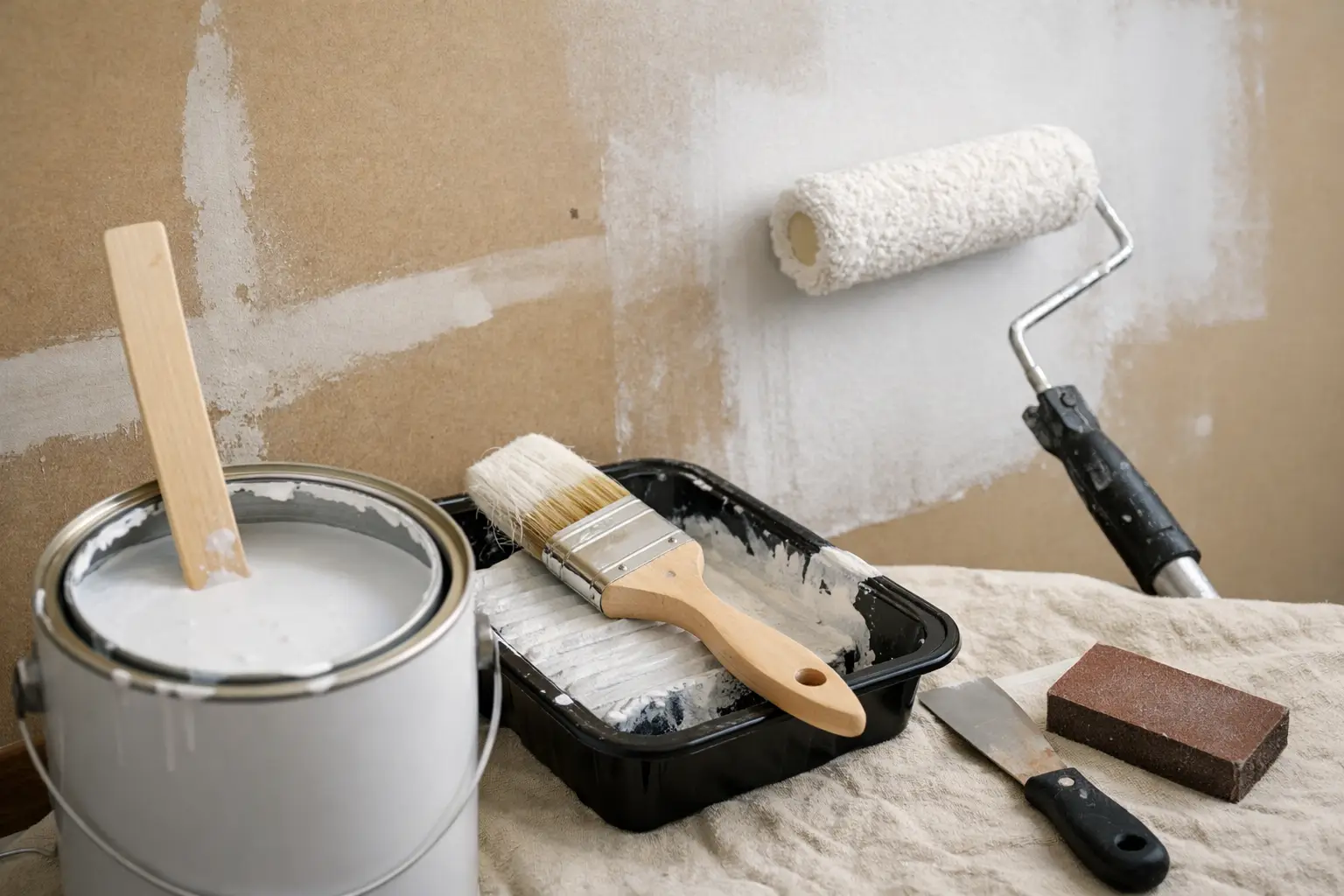
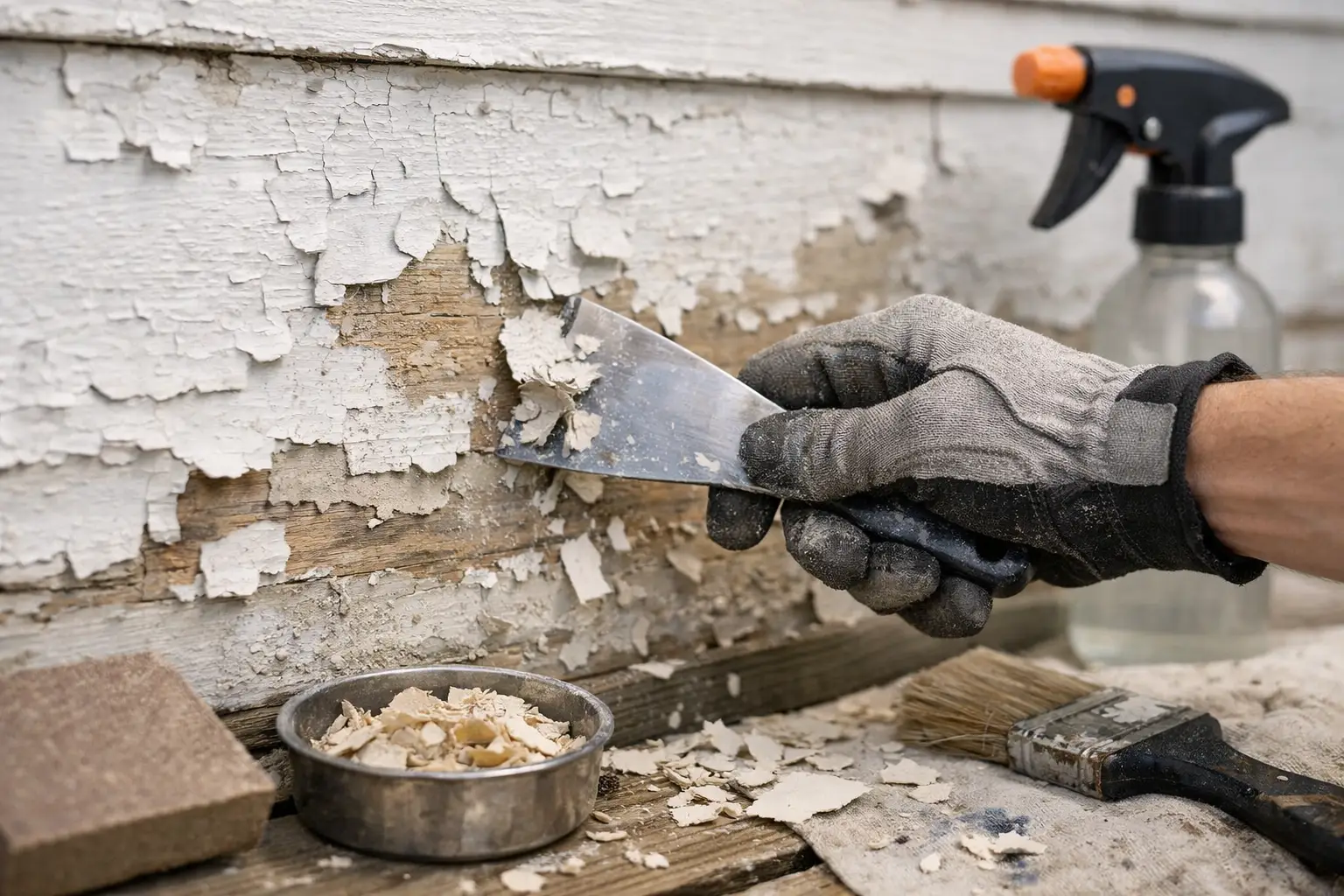
With paint, you need to factor in surface prep, primer, caulking, sanding, application tools, and often multiple coats. If the walls are rough, patched, or uneven, getting a clean final look may require more prep than expected. Dark-to-light color changes, stain blocking, and sheen-sensitive finishes can also increase labor and material use.
Wallpaper can cost more upfront, especially if you choose designer patterns, textured finishes, or commercial-grade wallcoverings. Installation is also more specialized. Pattern matching, adhesive selection, layout planning, and clean seam work all take skill. But in some cases, wallpaper can visually disguise minor wall imperfections better than paint, which may reduce how much cosmetic prep is needed before installation.
For trade buyers, the budget conversation should also include call-backs and future maintenance. Paint is usually easier to refresh between tenants or after wear. Wallpaper may last a long time, but if one section is torn or stained and no extra rolls were saved, repairs can be frustrating and expensive.
Durability depends on the room
The best finish for a bedroom is not always the best finish for a hallway, kitchen, or commercial corridor. That is where the wallpaper versus paint walls comparison gets more specific.
In high-traffic spaces, premium paint systems have a strong advantage because they are easier to clean and easier to recoat when wear starts to show. Hallways, family rooms, stairwells, and kid-heavy zones often benefit from washable paint in the right sheen. If scuffs, fingerprints, and furniture rub are likely, paint offers a more straightforward maintenance cycle.
Wallpaper performs well when you select the right grade for the environment. Vinyl wallcoverings and other scrubbable options can hold up well in busy interiors. They are often used in commercial and multi-unit settings for exactly that reason. But standard decorative wallpaper in a moisture-prone or impact-prone room can be a poor match.
Bathrooms and kitchens require extra caution. Paint made for moisture resistance is often the safer choice for full-room coverage, especially where steam, splashes, and regular wiping are part of daily use. Wallpaper can still work in these rooms, but product selection and placement matter. A powder room with good ventilation is very different from a full bath with daily steam exposure.
Style and finish quality
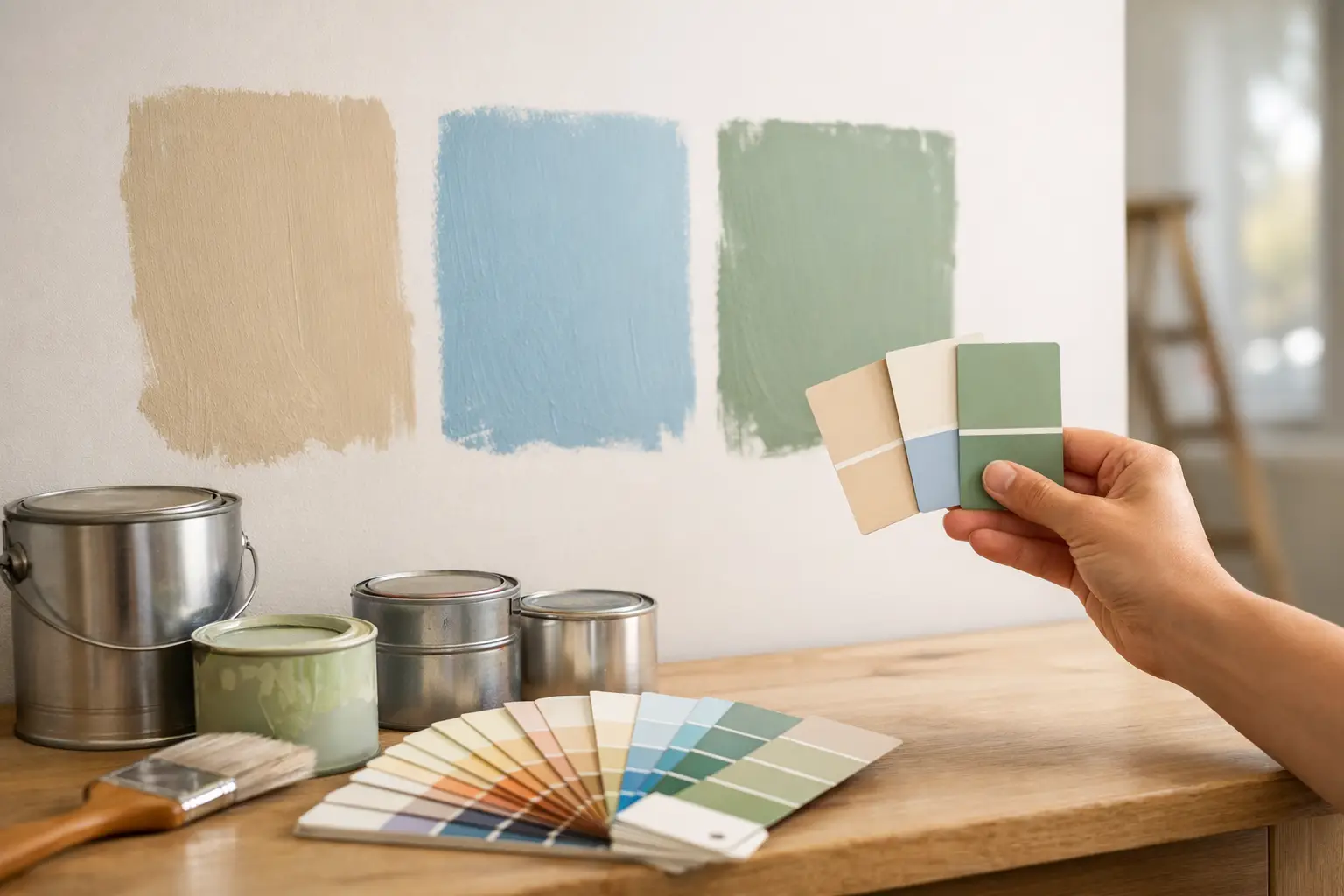
If your goal is color control and a clean, current finish, paint gives you the broadest range of options with the least commitment. It is the practical choice when you want to test trends, refresh a resale property, or keep the design adaptable. Color matching and sheen selection also make it easier to fine-tune the result.
Wallpaper is stronger when the wall treatment is meant to carry the design. Florals, geometrics, grasscloth looks, murals, subtle textures, and metallic effects can all change the character of a room in a way paint rarely does on its own. A well-chosen wallpaper can make a small powder room feel polished or turn a simple bedroom wall into a statement feature.
There is also a middle ground that works extremely well: use wallpaper strategically and paint the rest. That approach keeps installation costs in check while still creating visual impact. It also reduces the risk of overcommitting to a bold pattern in a room that may need updating later.
Prep and installation: where projects often go sideways
Paint looks simple until the wall is under strong light and every patch, ridge, roller mark, or flashing issue becomes visible. Good paint work depends on prep, primer choice, patch quality, and using the right application tools. Speed helps nobody if the substrate is not ready.
Wallpaper demands a different kind of precision. Walls need to be clean, sound, and properly prepared so the paper bonds correctly and can be removed with less damage later. Layout matters. Plumb lines matter. Adhesive matters. So does understanding how the material expands, shrinks, or aligns at seams.
For DIY customers, paint is usually the lower-risk option unless they are comfortable working carefully and correcting errors as they go. Wallpaper can absolutely be installed by an experienced homeowner, but it is less forgiving. For professionals, wallpaper can be a premium service, but only when product selection and wall prep are handled correctly from the start.
Future changes and repairs
One of paint’s biggest advantages is flexibility. If a client wants a new color in two years, repainting is relatively simple. If a wall gets damaged, patching and repainting are usually manageable. Even when touch-ups are imperfect, a fresh coat solves the problem without much disruption.
Wallpaper is harder to change. Removal can range from manageable to miserable depending on the wall prep, adhesive, age, and paper type. Some modern products are designed for easier stripping, but that does not guarantee a fast changeover. If the space is likely to be updated often, paint usually makes more sense.
Repair is another point worth thinking through before installation. Paint can be blended, touched up, or recoated. Wallpaper often requires leftover material from the same run to make a clean repair. Without that, matching pattern and color can be difficult.
So which should you choose?
Choose paint if you want easier updates, simpler maintenance, broader budget control, and a finish that works across most rooms with fewer complications. It is especially practical for living spaces, bedrooms, hallways, rental properties, and projects where durability and repaintability matter more than decorative impact.
Choose wallpaper if the room needs character, texture, or pattern that paint cannot deliver on its own. It is a strong option for feature walls, powder rooms, dining rooms, retail interiors, and spaces where the wall finish is part of the design statement from day one.
If you are balancing style with practicality, combine both. Paint the majority of the space and use wallpaper where it earns attention. That gives homeowners a more manageable commitment and gives contractors a cleaner way to control labor, finish quality, and long-term serviceability.
For projects that need dependable product support from prep through finish, working with a supplier that understands both DIY and trade requirements makes a measurable difference. Oui Colour Paint helps customers source paint, primers, wallcoverings, tools, and job-ready guidance in one place, which saves time and reduces avoidable mistakes.
The best wall finish is not the trendiest one. It is the one that fits the room, the workload, and how you plan to live with it after the project is done.