


Paint Drying Time Between Coats Explained

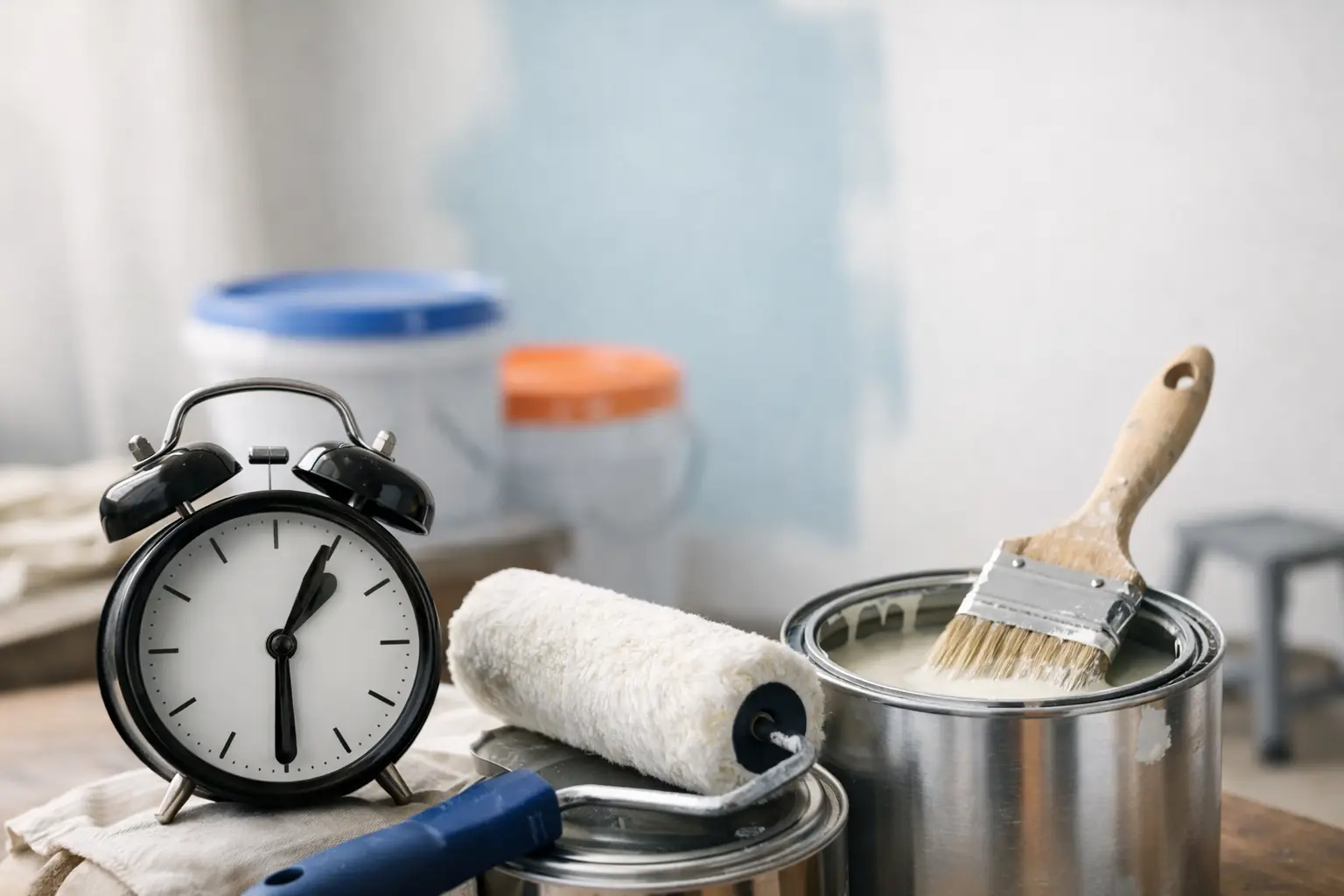
A second coat applied too soon can ruin a good paint job fast. If you are wondering about paint drying time between coats, the short answer is this: most paints feel dry before they are actually ready for another layer. That gap matters whether you are repainting a bedroom, refinishing a dresser, or trying to keep an exterior project moving on schedule.
Why paint drying time between coats matters
Paint does not simply “dry” in one step. Solvents and water evaporate, binders start to set, and the coating begins to harden. When the next coat goes on before the first one is ready, the finish can drag, wrinkle, stay soft, or lose adhesion. On walls, that might show up as streaking or lap marks. On trim, cabinets, and furniture, it often means tackiness that lingers for days.
For homeowners, this usually turns into rework and frustration. For contractors, it can affect scheduling, callbacks, and final finish quality. Waiting the proper amount of time is not wasted time. It is part of getting coverage, durability, and a cleaner result.
Dry to the touch is not the same as ready to recoat
This is where many paint projects go sideways. A surface may feel dry after an hour, but that does not automatically mean it is ready for another coat. Paint manufacturers usually list several timeframes on the label or technical sheet, including dry to touch, recoat time, and full cure time.
Dry to touch only means the surface is no longer obviously wet. Recoat time tells you when the first coat has set enough to accept another one without causing defects. Full cure takes much longer and refers to the point when the paint reaches its intended hardness and durability.
If you are painting doors, trim, furniture, or high-traffic surfaces, confusing these stages can cost you. A wall may tolerate a slightly early second coat better than a tabletop or vanity, but even then, results are less predictable.
Typical recoat times by paint type
The exact timing depends on the product, but some general ranges are useful when planning a job.
Latex and acrylic interior paints often need about 2 to 4 hours between coats under normal conditions. Many modern wall paints are designed for faster recoating, but deeper colors, heavier application, or poor airflow can stretch that window.
Oil-based paints usually take longer, often 8 to 24 hours between coats. They level beautifully on trim and doors, but they are less forgiving when schedules are tight.
Primers vary more than people expect. Fast-dry primers may be ready in an hour, while stain-blocking or bonding primers can require several hours before topcoating. Specialty products such as cabinet paint, floor coatings, rust coatings, lacquers, and varnishes each have their own timing rules, and those rules matter.
That is why the can matters more than general advice. Use broad timing ranges to plan your day, then follow the product label for the final call.
What changes paint drying time between coats
Temperature and humidity are the biggest variables. Warm, dry air generally helps paint dry faster. Cool temperatures and high humidity slow evaporation and can leave paint soft much longer than expected. If you are painting in a basement, bathroom, or during a wet stretch of weather, give the coating more time.
Airflow also makes a difference. A room with steady ventilation usually performs better than a closed space with still air. Outside, a shaded wall on a damp day may dry far slower than a sunny wall with a light breeze.
Application thickness is another factor. Heavy coats may seem efficient, but they trap moisture and extend recoat times. Two properly applied coats almost always outperform one overloaded coat.
Surface type matters too. Drywall, wood, metal, masonry, and previously painted surfaces all absorb and release moisture differently. Porous surfaces may pull paint in unevenly, while slick surfaces may need more setup time from primer before the finish coat goes on.
Room-by-room and project-by-project expectations
Interior walls are usually the most straightforward. In normal indoor conditions, many water-based paints can be recoated within a few hours. If you are rolling a living room or bedroom, that often means one coat in the morning and the next later the same day.
Trim and doors need more patience. Because these surfaces show brush marks, drag, and blocking more easily, it is worth giving each coat a little extra time. Even when a label gives a minimum recoat time, better finish quality often comes from waiting longer.
Furniture is similar. Dressers, side tables, and chairs are handled more than walls, so film strength matters. If the first coat still feels cool, soft, or rubbery, do not rush the second one.
Exterior jobs are less predictable because weather adds risk. You are not only watching the recoat time, but also overnight temperature drops, dew, and possible rain. If conditions are marginal, it is better to pause than to push through and lose adhesion.
Signs you are recoating too early
Sometimes the paint tells you clearly that it is not ready. The roller may pull at the first coat instead of gliding over it. A brush can leave ridges or drag marks. You might see patchiness, wrinkling, or a shiny-soft appearance that does not level properly.
Another clue is tackiness. If a painted surface still feels slightly sticky, especially on trim or furniture, it likely needs more time. Color transfer on your fingers is an obvious stop sign.
When in doubt, wait. Adding a second coat too early rarely saves time because defects usually lead to sanding, touch-ups, or a full redo.
How to speed things up without hurting the finish
There are safe ways to improve drying conditions, and then there are shortcuts that create problems. The safe approach is to control the environment. Run ventilation, use fans to move air across the room rather than directly blasting the surface, and keep the temperature within the product’s recommended range.
A dehumidifier can help in damp interiors. Outside, start with the right forecast rather than hoping the weather cooperates later. And always apply paint at the recommended spread rate. Overloading the brush or roller slows everything down.
What should you avoid? Turning up heat aggressively in a small room can create uneven drying. Painting over a coat that feels dry only on the surface is another common mistake. Fast projects are good. Rushed projects are expensive.
The label is your best schedule
For both DIY customers and trade buyers, the best working habit is simple: build your schedule around the specific product, not around assumptions from the last job. Premium interior wall paint, enamel trim paint, stain-blocking primer, spray paint, and protective coatings all behave differently.
This matters even more when combining products. A primer may allow fast topcoating, but the finish paint may still need a longer window before the next coat. Dark colors, sheen level, and substrate condition can also shift performance.
If you are buying for a full project, it helps to match your products and tools from one reliable supplier so you can plan prep, application, and finishing without guessing. That is especially useful when timing matters across multiple rooms or on a jobsite with labor scheduled by the day.
A practical rule for better results
If the label says 2 hours, treat that as the minimum under ideal conditions. If the room is cool, humid, or poorly ventilated, extend the wait. If you are painting trim, cabinets, furniture, or anything that needs a smoother finish, extra patience usually pays off.
For homeowners, that means fewer touch-ups and a better-looking result. For pros, it means a cleaner handoff and fewer surprises after the job is complete. And if you need paint, primer, specialty coatings, or project advice in one order, Oui Colour Paint makes it easier to get the right products lined up before the first coat even goes on.
The best finish is not just about color choice or brand quality. It is also about timing, and a few extra hours between coats can be the difference between a paint job that looks fine today and one that still looks right months from now.
