


A Guide to Spray Paint Safety for Every Project

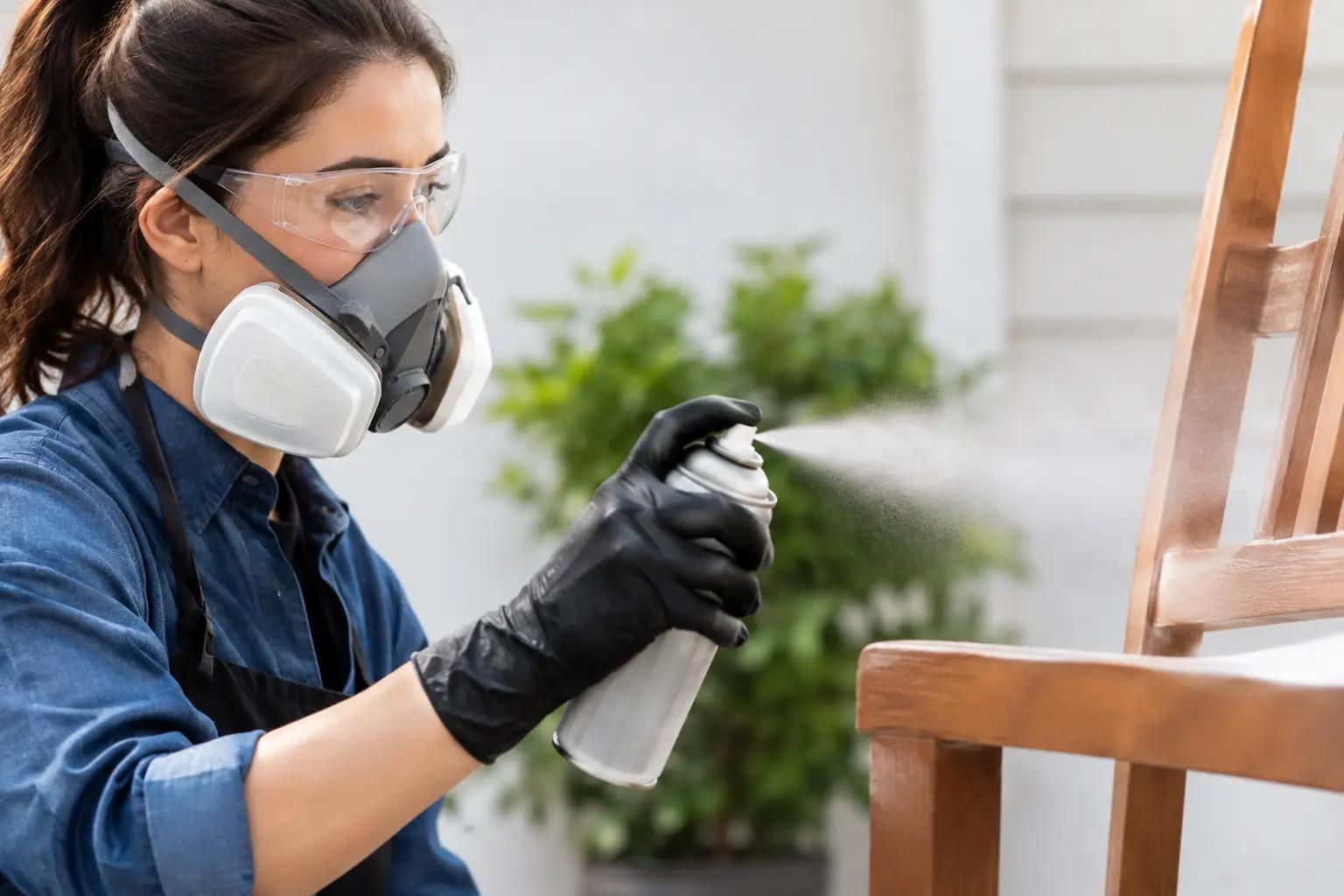
A smooth spray-painted finish should not come at the cost of your lungs, skin, or workspace. This guide to spray paint safety covers the controls that matter most before you press the nozzle, whether you are refinishing a chair in the garage or coating metal components on a jobsite. Good preparation protects the person applying the paint, but it also prevents common finish problems such as dust nibs, runs, and overspray damage.
Start With the Product Label and Safety Data Sheet
Spray paint is not one uniform product category. Formulas can contain solvents, pigments, propellants, and additives that affect ventilation needs, drying time, flammability, and recommended protective equipment. A water-based spray coating may have a different odor and lower solvent content than a solvent-based enamel, but it still should not be treated as harmless to breathe.
Read the entire product label before use, then review the Safety Data Sheet for details on hazards, first aid, storage, and disposal. Pay particular attention to warnings about vapor, combustible materials, skin contact, and eye protection. The label also confirms the proper application temperature and recoat window. Ignoring those details can create a safety issue and lead to a weak, wrinkled, or uneven finish.
For trade work, keep product information available at the jobsite. For home projects, place the can and instructions where they can be checked throughout the job instead of relying on memory.
Choose Protection That Matches the Work
A paper dust mask is designed for nuisance dust. It is not appropriate protection from paint vapors. When using solvent-based aerosol paint, a properly fitted reusable respirator with cartridges rated for organic vapors is generally the more suitable choice. The respirator must fit closely against clean, dry skin. Facial hair where the mask seals can compromise its protection.
Cartridges do not last forever. Replace them according to the manufacturer’s instructions and sooner if you detect odor or taste through the respirator, experience irritation, or find that breathing feels difficult. Store the respirator and cartridges in a sealed bag or container between uses so they are not continuously exposed to airborne contaminants.
Eye protection matters even when you are spraying at chest height. Fine mist can drift upward or bounce off detailed surfaces, especially metal, wicker, and furniture hardware. Wear safety glasses with side shields at minimum; sealed goggles offer more coverage where overspray is likely. Nitrile gloves help prevent paint and solvents from sitting on the skin, while long sleeves protect arms from settling mist.
For frequent spraying, coveralls are a practical investment. They keep dust and paint off everyday clothing and reduce the chance of tracking residue from a work area into the home or vehicle.
Set Up Ventilation Before Opening the Can
The safest location for spray painting is outdoors in a protected, well-ventilated area away from people, pets, doors, air intakes, and vehicles. Check the weather first. Wind can carry overspray farther than expected, while high humidity and cold temperatures can interfere with curing. Work in the shade when possible, since a hot surface can make the coating flash dry before it levels properly.
Indoor spraying requires much more planning. Open windows alone may not create enough controlled airflow, particularly in a basement, attached garage, or small workshop. Use mechanical exhaust that moves air away from you and out of the space. Position yourself so fresh air comes from behind or beside you, not through the spray cloud and directly toward your face.
Do not spray near a furnace, water heater, pilot light, space heater, appliance motor, or other ignition source. Aerosol propellants and solvent vapors can travel along floors and collect in low areas. A garage with its door cracked open may feel ventilated, but it can still be a poor choice if a gas appliance is operating nearby.
A temporary spray booth can help contain overspray for small objects, but it does not replace fire-safe ventilation. Avoid using ordinary box fans around flammable vapors unless they are designed and rated for that environment. The wrong fan can introduce an ignition risk.
A Practical Guide to Spray Paint Safety Around Fire Risks
Most aerosol cans carry clear flammability warnings for a reason. Keep all flames, cigarettes, sparks, and heat sources away from the spraying and drying area. Turn off equipment that can spark before work begins, and do not assume a smell-free room is vapor-free. Some products release hazardous vapors even after the surface feels dry.
Never puncture, crush, or burn an aerosol can, including one that seems empty. Do not leave cans in direct sunlight, inside a hot vehicle, or beside a heater. High temperatures can increase internal pressure and cause a can to rupture.
Keep a clear path out of the work area and store only the amount of product needed for the project nearby. For larger professional applications, separate coating storage from grinding, welding, cutting, and other hot-work activities. This small bit of jobsite planning prevents a serious conflict between finishing work and ignition sources.
Prepare the Surface and Work Area to Reduce Exposure
Surface preparation is a finish-quality step and a safety step. Clean the item before painting so you are not spraying over grease, wax, loose rust, or dust. If sanding is required, collect dust with a vacuum and wipe the surface using the cleaner recommended for the coating system.
Be especially cautious with older painted surfaces. Sanding or scraping legacy coatings can create hazardous dust, including possible lead-based paint dust in older buildings. Test when appropriate and follow local requirements for containment and cleanup. Spray paint should never be used to hide a surface problem that has not been safely addressed.
Cover surrounding surfaces with drop cloths, masking paper, or cardboard, and move nearby items out of the spray zone. Overspray can settle on windows, flooring, landscaping, tools, and vehicles. A few extra minutes of masking are far easier than trying to remove dried paint from an unintended surface.
Set smaller items on a stable platform that lets you reach all sides without chasing the piece around. For cabinets, furniture, or doors, elevate the work slightly so lower edges can be coated without bending into the spray path. Stability reduces accidental spills and helps you maintain an even application distance.
Spray With Control Instead of Chasing Coverage
Shake the can for the full time stated on the label. Test the pattern on cardboard before approaching the project. Hold the can at the recommended distance, commonly about 8 to 12 inches, and keep it moving in straight, overlapping passes. Start spraying just before the edge of the object and release the nozzle just after the opposite edge.
Heavy coats create more than runs. They increase airborne mist, extend dry time, and can trap solvents below the surface. Several light coats usually provide better color development and adhesion, particularly with metallic, gloss, and specialty finishes.
Do not point the nozzle toward your face, even to clear a clog. If a can sputters, stop and follow the manufacturer’s instructions for cleaning the tip. Wiping the nozzle with the appropriate solvent while wearing gloves is often enough. Forcing or modifying the can is never a safe fix.
Take regular breaks during bigger projects. Fatigue leads to poor posture, missed ventilation issues, and careless overspray. If you feel lightheaded, nauseated, dizzy, or irritated in the eyes, nose, or throat, leave the area for fresh air immediately and review your setup before continuing.
Let the Finish Cure in a Protected Area
Dry-to-touch is not the same as cured. Keep the project in its ventilated drying area for the time stated by the manufacturer, and prevent children, pets, and customers from handling it too soon. Avoid bringing freshly painted items into living spaces while they are still releasing noticeable odor.
If a second coat is needed, follow the stated recoat interval. Some products can be recoated quickly, while others require a longer wait to avoid lifting or wrinkling the first coat. The right primer, spray paint, masking supplies, and protective equipment should work together as one system, not as afterthoughts added halfway through the project.
Store and Dispose of Aerosol Paint Responsibly
Store spray paint upright in a cool, dry location away from sunlight, heat, and ignition sources. Keep cans out of reach of children and avoid storing them in an unconditioned shed or vehicle where temperatures can become extreme. Confirm that caps are secure and labels remain readable.
Do not pour leftover paint into drains, onto the ground, or into household trash. Disposal rules vary by community, and aerosol cans may need to go to a household hazardous waste program unless they are completely empty and accepted through local recycling or waste channels. Check your local guidance before disposal.
Safe spray painting is not complicated, but it does reward discipline. Build your setup around ventilation, the correct PPE, clean surfaces, and controlled application, then give the coating time to dry where it can do so safely. The result is a cleaner finish, fewer setbacks, and a workspace ready for the next project.
