


Can Primer Cover Smoke Stains?

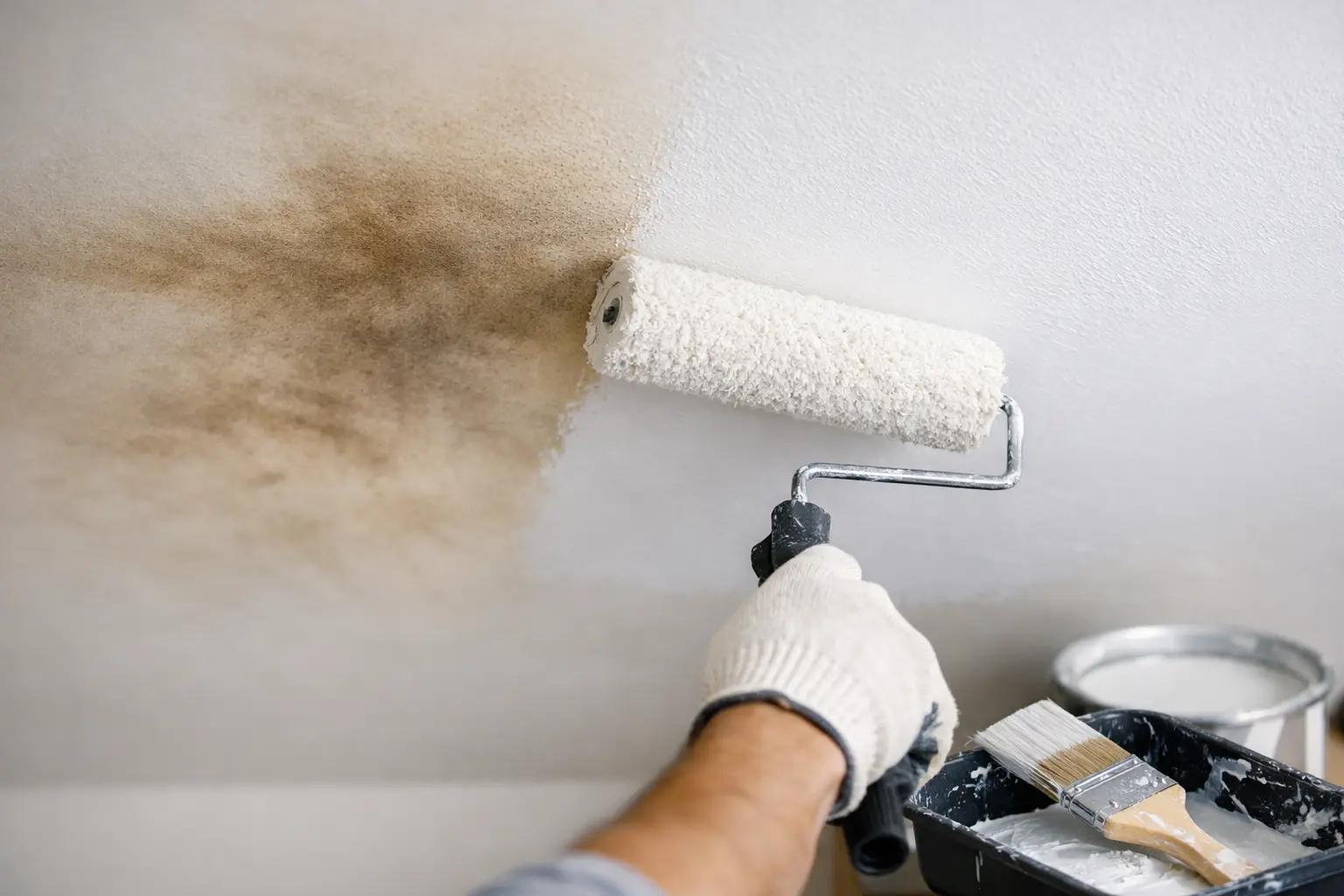
That yellow-brown patch on the ceiling usually tells you two things right away – regular paint will not fix it, and if you skip the right prep, the stain is coming back. So, can primer cover smoke stains? Yes, but only if you use a true stain-blocking primer and match it to the surface, the severity of the damage, and the source of the smoke.
This is where many paint jobs go sideways. Homeowners often reach for leftover wall paint, and even experienced crews can lose time if they treat smoke staining like a basic discoloration. Smoke residue is oily, persistent, and prone to bleed-through. A standard drywall primer or a bargain all-purpose primer may improve the look for a few days, but it often will not lock the stain in for the long term.
Can primer cover smoke stains on walls and ceilings?
It can, but not every primer can. Smoke stains from candles, fireplaces, cooking grease, tobacco, or minor fire damage behave differently than water spots or simple scuffs. The residue sits on the surface and can also penetrate porous materials like drywall, plaster, and unfinished wood. If the stain contains soot, tar, or oily residue, you need a primer specifically made to block stains and odors.
For most jobs, the best options are shellac-based or oil-based stain-blocking primers. These are designed to seal contamination so it does not migrate into the finish coat. Water-based primers have improved a lot, and some high-performance acrylic primers can handle light smoke staining, but they are not always the safest choice when the stain is heavy or the odor is strong.
That trade-off matters. Water-based products are easier to apply and clean up, and many DIY customers prefer them for occupied spaces. But if the ceiling above a fireplace has years of buildup or a room carries nicotine staining, stronger blocking power usually wins.
Why regular primer often fails
The word primer gets used too broadly. Some primers are made to improve adhesion. Others are made to create a uniform surface before painting. Those are useful products, but they are not automatically stain blockers.
Smoke staining needs more than grip. It needs isolation. If the primer film is too porous or too light-duty, the stain bleeds through the topcoat and shows up again as yellowing, shadowing, or patchiness. In tougher cases, the room can still smell smoky even after two coats of paint.
This is why professionals separate surface prep primers from problem-solving primers. For clean new drywall, a basic PVA primer is fine. For smoke damage, it is the wrong product.
What type of primer works best for smoke stains?
The best primer depends on how bad the staining is and what surface you are coating.
Shellac-based primer
Shellac-based primer is often the first choice for severe smoke stains and odor sealing. It dries fast, blocks aggressively, and performs well on ceilings, trim, wood, and previously painted drywall. If you are dealing with old nicotine staining or fire-related soot, this is usually the most reliable route.
The downside is application comfort. Shellac primers have a strong smell during use, require the right solvent for cleanup, and demand good ventilation. For vacant rooms, turnover work, or serious restoration, that trade-off is often worth it.
Oil-based primer
Oil-based stain-blocking primer is another strong option. It works well on moderate to heavy smoke staining and is commonly used when you need dependable sealing without jumping straight to shellac. It also levels nicely and can help on trim, doors, and wood surfaces that have absorbed contaminants.
Dry time is longer than shellac, and cleanup is less convenient than water-based products. Still, for many repaint projects, oil-based primer offers a solid middle ground between performance and workability.
Water-based stain-blocking primer
A high-quality water-based stain-blocking primer can work for light smoke marks, especially when the residue is cleaned thoroughly first and the odor is minimal. It is easier for homeowners to use, easier to clean up, and generally more pleasant indoors.
The key phrase is high-quality. A standard latex primer is not the same thing. If the stain is visible after cleaning, or if the room still smells smoky, moving up to a stronger solvent-based blocker is usually the smarter buy.
Prep matters as much as the primer
Even the best primer cannot do its job well over loose soot, grease, or chalky residue. Before you prime, wash the surface with an appropriate cleaner to remove contamination. For many smoke-stained walls and ceilings, that means a degreasing cleaner or a restoration cleaner made for soot and residue. Then let the surface dry fully.
This step gets skipped all the time because the stain looks dry. That is misleading. Smoke residue can leave behind a film that interferes with adhesion and makes roller application messy. If you prime right over it, you may trap some staining, but you also risk uneven bonding.
If the damage is from a significant fire event, there is another layer to consider. Charred material, deeply contaminated insulation, or badly damaged drywall may need to be removed instead of coated over. Primer is a repair tool, not a substitute for replacement when the substrate is compromised.
How many coats does it take?
One coat of the right stain-blocking primer is often enough for light to moderate smoke staining. For heavier staining, two coats may be necessary before you move to paint. The easiest way to judge is visual and practical.
If the stain still ghosts through after the primer dries, apply another coat. If the odor remains strong, that is another sign the surface may need additional sealing or a stronger product. Rushing to the finish coat too early usually costs more time than doing a second primer coat.
Coverage also depends on porosity. Raw wood trim, patched plaster, and older flat-painted ceilings may absorb primer unevenly, so they sometimes need more material than a smoother, previously painted wall.
Can you paint directly over smoke primer?
Yes, once the primer is fully dry and cured according to the product instructions, you can topcoat it with your finish paint. For ceilings, a quality flat ceiling paint usually helps hide repaired areas. For walls, choose the sheen based on the room and expected wear.
Keep in mind that higher sheens can make patching and stain repair more visible if the surface texture is uneven. In a living room or bedroom, an eggshell or matte finish often gives a forgiving result. In kitchens and baths, durability may push you toward a more washable finish, but surface prep has to be especially clean first.
Common mistakes that cause smoke stains to come back
The biggest mistake is using the wrong primer category. A general-purpose primer may look fine at first, then fail once the finish coat dries. The second is skipping cleaning. The third is underestimating odor. If the room still smells smoky before painting, there is a good chance the contamination has not been sealed well enough.
Another issue is spot-priming when the contamination is widespread. That can work for a single mark above a candle or a small area near a vent. But if an entire ceiling has light yellowing, full-surface priming usually gives a more uniform and dependable result.
Temperature and ventilation matter too. Primers need the right drying conditions to form a proper film. Cold surfaces, heavy humidity, or poor airflow can slow performance and affect the final finish.
When a stain blocker is worth the upgrade
If you are repainting after years of smoking indoors, correcting stains around HVAC vents, covering fireplace soot, or restoring a room after minor smoke damage, a premium stain blocker is rarely the place to cut corners. The labor to repaint twice costs more than stepping up to the right primer the first time.
That is especially true for pros managing schedules and callbacks. A primer that seals properly protects both the finish and the margin on the job. For DIY customers, it means fewer surprises and a better-looking room that stays that way.
At Oui Colour Paint, this is exactly the kind of project where product selection matters. Matching the primer to the stain, surface, and finish coat saves time, reduces rework, and gets you to a cleaner final result faster.
So, can primer cover smoke stains for good?
Yes – if it is a true stain-blocking primer, the surface is cleaned properly, and the damage is not beyond repair. Light smoke marks may be handled by a strong water-based blocker, but heavier soot, nicotine, and odor usually call for oil-based or shellac-based products.
When the stain is serious, think like a finisher, not just a painter. Seal the problem first, then paint the room you actually want to see.
