


Mineral Paint Versus Chalk Paint for Furniture

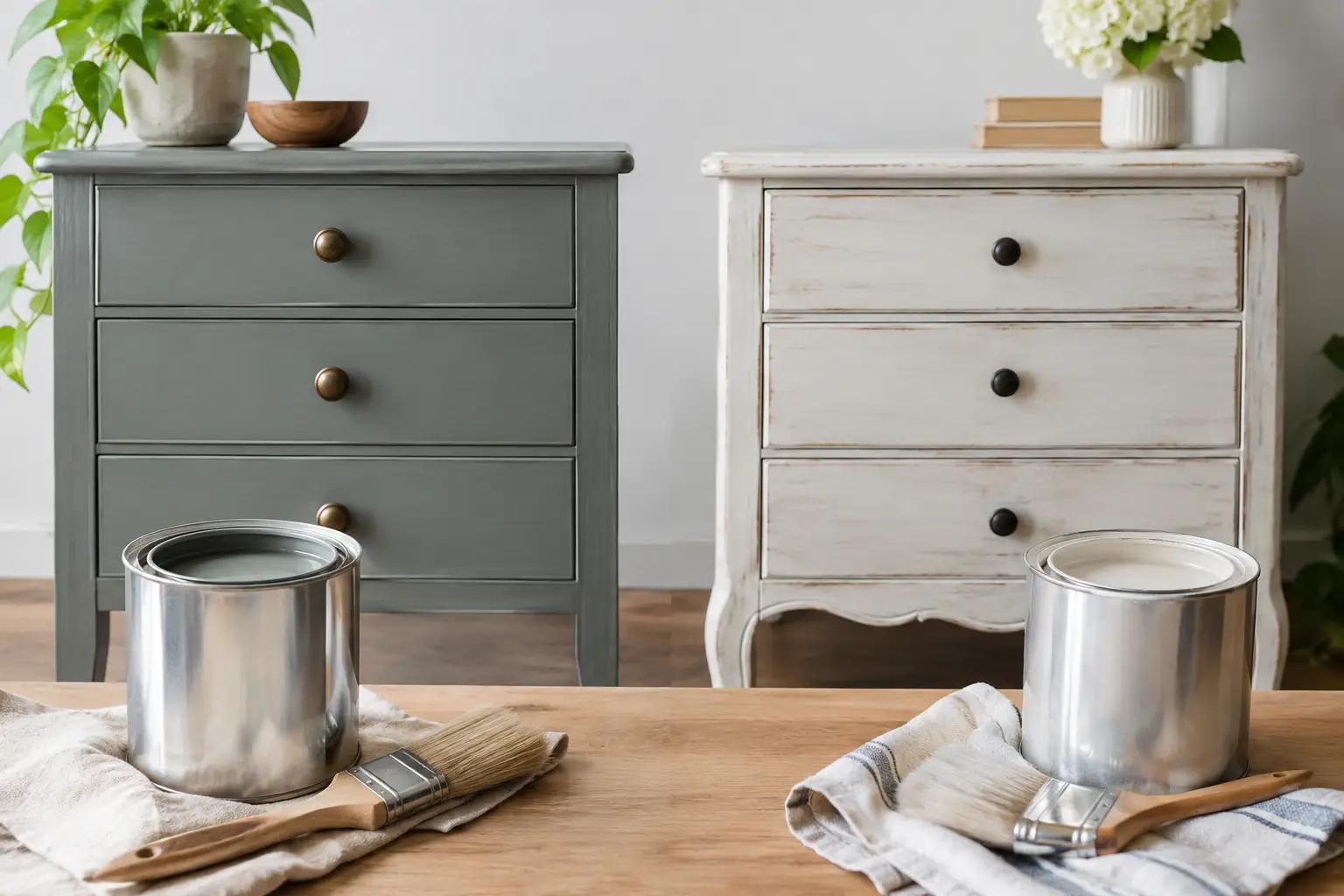
A dated oak dresser can look completely different after a weekend of painting, but the paint you choose determines whether that finish feels velvety, modern, durable, or high-maintenance. In the mineral paint versus chalk paint decision, the right answer comes down to the surface, the amount of daily wear, and how much prep work you are willing to do.
Both are popular for furniture makeovers because they can cover old finishes, reduce the need for extensive sanding, and create a decorative low-sheen look. They are not interchangeable, though. Mineral paint generally aims for a tougher, more washable finish, while chalk-style paint is often chosen for its soft matte appearance and easy distressing.
Mineral Paint Versus Chalk Paint: The Core Difference
The labels can be confusing because product formulas vary by manufacturer. Mineral paint usually refers to a water-based furniture paint made with mineral pigments or mineral-based ingredients. Many modern furniture mineral paints also contain binders that help the coating adhere and cure into a harder surface. The result is typically a smooth, low-luster finish with better resistance to scuffs, moisture, and routine cleaning than a traditional decorative chalk-style paint.
Chalk paint, often used as a general term for chalk-style furniture paint, is valued for its flat, powdery finish and forgiving application. It is especially popular on vintage pieces, picture frames, decorative cabinetry, and furniture intended to have a relaxed, layered, or distressed appearance. The paint grips many previously finished surfaces well, but the porous matte finish usually benefits from a protective topcoat when the piece will be handled often.
The key distinction is not simply appearance. It is how the coating behaves after it dries. Mineral paint is commonly selected when durability is part of the project requirement. Chalk-style paint is often selected when the finish itself is the main design feature.
Finish and Style: What Will the Piece Look Like?
Chalk-style paint creates the classic soft-matte furniture look. Brush marks can be part of the charm, especially when using a round brush or dry-brush technique. It is a strong fit for farmhouse, cottage, antique, French country, and eclectic interiors. If you want to sand back corners and edges to reveal wood or an older paint color, chalk-style paint makes that process simple.
Mineral paint usually dries with a smoother, more refined appearance. Depending on the product and application method, it may look matte, eggshell, or softly satin. It is well suited to contemporary furniture, clean-lined built-ins, updated cabinets, and painted pieces that need to look polished rather than intentionally aged.
Color also matters. Both paint types offer excellent decorative shades, from warm whites and muted greens to deep navy and black. If color matching is essential, confirm whether the selected product line can be tinted or whether you need a custom color-matched coating. A small test board is worth the time, particularly when painting a large cabinet or a key furniture piece in a room.
Prep Work: Neither Paint Eliminates Cleaning
The claim that furniture paint requires “no prep” is only partly true. You may be able to skip stripping and heavy sanding, but you should not skip cleaning. Dirt, silicone polish, cooking grease, wax, and hand oils can interfere with adhesion regardless of whether you choose mineral or chalk-style paint.
Start by removing hardware and washing the surface with an appropriate cleaner or degreaser. Let it dry fully. Then lightly scuff glossy finishes with fine-grit sandpaper to give the paint more grip. Wipe away sanding dust before painting.
When Primer Is Still the Smart Choice
Primer is not always required, but it solves problems that decorative paint alone cannot. Use a quality bonding primer on slick laminate, melamine, metal, tile, or exceptionally glossy factory finishes. Use a stain-blocking primer over knotty pine, water stains, smoke damage, or dark wood tannins that may bleed through a light paint color.
Primer is also a good insurance policy for kitchen cabinets, bathroom vanities, and high-touch furniture. The extra step can save time compared with repainting a failed finish later. For professional results, treat the existing surface condition as the deciding factor, not the marketing on the paint can.
Durability: Where Mineral Paint Often Pulls Ahead
A cured mineral paint finish is often the practical choice for dressers, dining tables, side tables, shelving, and cabinets that see regular contact. Many formulas are designed to be self-sealing or need only an optional topcoat, depending on the sheen and level of protection you want. That can reduce project steps and preserve a clean, contemporary finish.
Chalk-style paint can also be durable, but it usually needs help in high-use areas. Wax adds a beautiful hand-rubbed look and deepens the color, yet it requires maintenance and is not the best protection for wet or high-heat surfaces. A water-based clear topcoat gives stronger everyday protection, but it can slightly change the ultra-flat appearance that makes chalk-style paint appealing in the first place.
For a bedside table or decorative accent chair, chalk-style paint with wax or a clear coat may be perfect. For a kitchen table, vanity, children’s furniture, or rental-property cabinet, a harder-wearing mineral paint system is usually the more efficient investment.
Application and Drying Time
Both types are friendly to DIY painters, but technique affects the final result. Mineral paint generally levels more smoothly when applied in thin, even coats with a quality synthetic brush, microfiber roller, or sprayer approved for the product. Avoid repeatedly brushing as the paint begins to set, since that can create drag marks.
Chalk-style paint is more flexible visually. You can apply it smoothly, build texture with a brush, layer colors, or use a dry-brush technique for dimension. Its quick dry time helps on small projects, but work in manageable sections so you can maintain a consistent finish.
Dry-to-touch is not the same as fully cured. A piece may feel dry within hours but remain vulnerable to dents, water rings, and adhesion problems for days or weeks. Follow the manufacturer’s recoat and cure instructions before reinstalling hardware, placing objects on shelves, or cleaning the finish. Warm, dry airflow helps. Humidity and cold temperatures slow the process.
Best Uses for Each Paint Type
Choose mineral paint when you want a smoother finish, a more modern furniture update, and dependable performance with fewer finishing steps. It is a particularly good option for cabinetry, tabletops, frequently used dressers, and pieces where you do not want to maintain a wax finish.
Choose chalk-style paint when you want a truly flat, tactile finish, easy distressing, or a layered vintage effect. It is ideal for occasional tables, decorative case goods, frames, and older furniture with character worth highlighting rather than hiding.
There are exceptions. A low-traffic buffet may look better in chalk-style paint even if mineral paint is technically tougher. A sleek media console may benefit from mineral paint even if it is rarely touched. The best paint supports the way the piece will live in the room, not just the trend board that inspired it.
Common Mistakes That Shorten the Life of a Painted Finish
Most furniture-paint failures start before the first coat. Painting over furniture polish, skipping stain blocking on bleed-prone wood, applying coats too heavily, or using a tabletop before cure time is complete can lead to chipping, discoloration, or tackiness.
Be careful with topcoats as well. Test a clear coat over dark colors and bright whites before committing to the whole piece. Some protective finishes can warm the color, deepen the sheen, or yellow slightly over time. Apply your complete system, including paint and protective coat, to an inconspicuous area or sample board first.
For contractors, consistency matters just as much as product choice. Keep track of the prep method, primer, paint line, number of coats, and cure instructions used on each job. That makes touch-ups and future maintenance far easier for both you and your client.
Make the Choice Based on the Job
If the project calls for a durable, easy-care finish with a cleaner look, mineral paint is usually the stronger starting point. If the goal is a soft matte finish with character, texture, and a hand-finished feel, chalk-style paint delivers a look that is difficult to duplicate.
Before ordering paint, assess the material, existing finish, traffic level, and desired sheen. Oui Colour Paint can help you build the full project system, from cleaners and primers to brushes, rollers, protective topcoats, and the finish that will make the piece feel at home in the room.
