


Best Paint Roller Covers for Every Finish

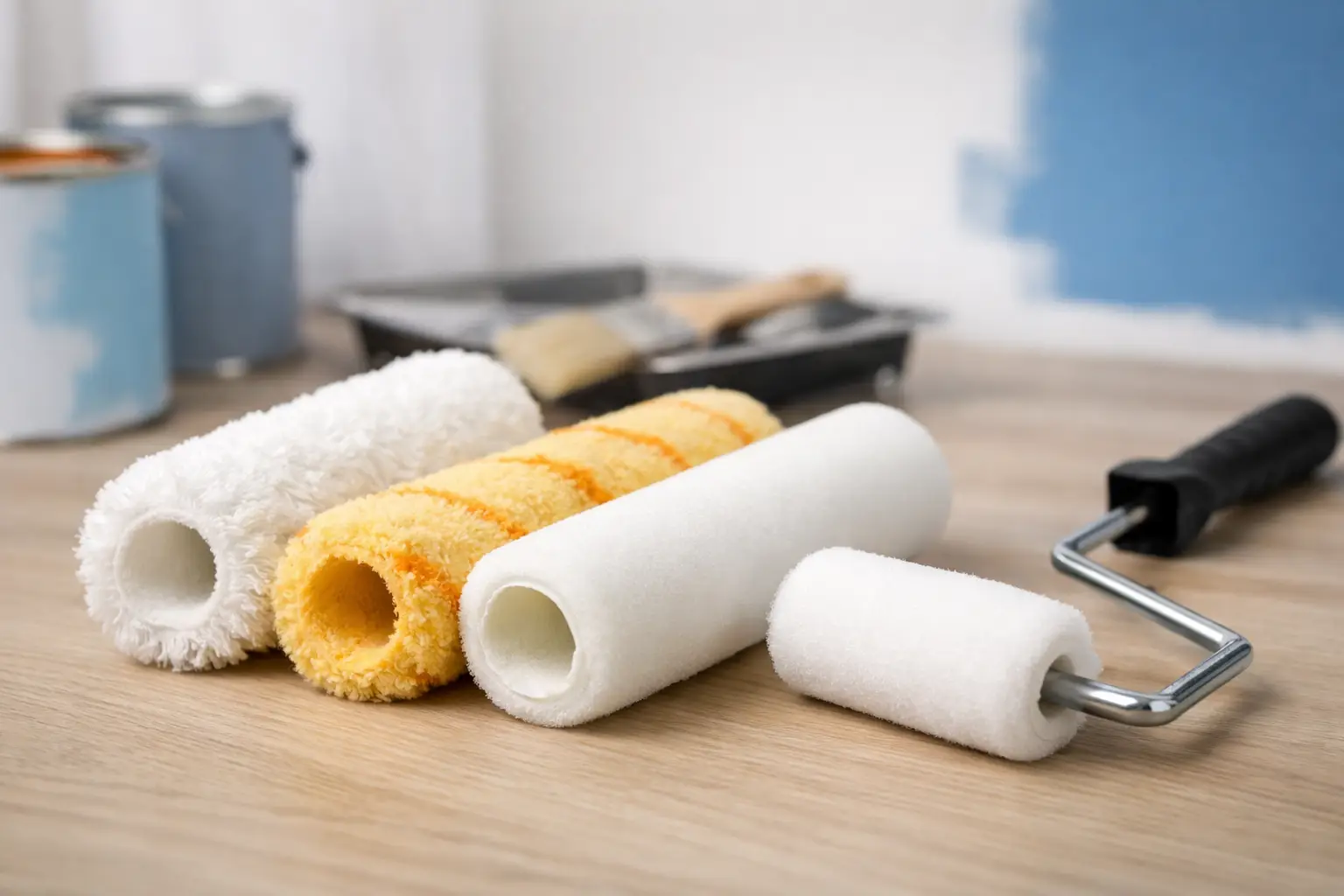
A premium gallon of paint can still leave a disappointing finish if the roller cover is wrong for the surface. The best paint roller covers pick up paint evenly, release it with control, and help you finish a room without lap marks, lint, or a texture you did not intend. For DIY projects and production painting alike, the cover is not a minor accessory. It is the part of the setup that touches every square inch of the job.
What Makes the Best Paint Roller Covers?
A good roller cover is a match between four things: the surface texture, the paint type, the finish you want, and the size of the area. Nap length controls how much paint the roller holds and how much texture it leaves behind. Fabric affects pickup, release, linting, and compatibility with water- or solvent-based products. Core quality matters, too, especially on larger jobs where a loose or warped cover slows everything down.
For most interior wall painting, a quality microfiber or woven cover with a 3/8-inch nap is the dependable starting point. It carries enough paint to keep the work moving while leaving a smooth, low-texture finish on properly prepared drywall. But a 3/8-inch cover is not the answer for every project. Cabinets, rough stucco, masonry, and ceilings all ask more of the roller.
Cheap covers may look similar on the shelf, but they often shed fibers, absorb paint unevenly, or lose their shape after a few passes. That can mean more touch-ups, more paint used, and more time spent correcting roller marks. Choose a cover based on performance rather than price alone, particularly when using premium paint with a smooth eggshell, satin, or semi-gloss sheen.
Choose Nap Length for the Surface
Nap is the thickness of the roller fabric. A longer nap holds more paint and reaches deeper into irregular surfaces, while a shorter nap produces a finer finish. Selecting the correct nap is one of the fastest ways to improve paint results.
1/4-inch nap: smooth doors, cabinets, and trim
Use a 1/4-inch nap cover on very smooth surfaces where a refined finish matters most. This includes cabinet boxes, interior doors, metal, smooth furniture, and trim boards when rolling is appropriate. High-density foam and short-nap microfiber covers are common choices for these projects.
The trade-off is coverage. A short nap does not carry much paint, so it is less efficient on large walls. It also will not bridge small surface imperfections. For cabinets and doors, that is an advantage: a thin, controlled coat is less likely to sag or develop heavy texture. Apply several light coats as directed by the coating manufacturer, and maintain a wet edge.
3/8-inch nap: the all-purpose interior choice
A 3/8-inch nap roller cover is the workhorse for smooth to lightly textured walls and ceilings. It is well suited to drywall, plaster, and previously painted interior surfaces. Many homeowners can complete an entire room with this nap length, using a brush for cutting in and detail work.
Woven microfiber covers are especially useful with modern water-based interior paints. They tend to release paint consistently and can produce a clean, uniform appearance when loaded properly. Avoid pressing hard to stretch the paint farther. Let the roller do the work, then reload before it becomes dry.
1/2-inch nap: ceilings and light texture
Move up to a 1/2-inch nap for lightly textured walls, orange-peel finishes, and most textured ceilings. The additional pile helps the roller reach into shallow lows without requiring excessive pressure. It also carries more paint, which can be helpful on thirsty surfaces and broad ceiling areas.
A longer nap will leave more roller texture than a 3/8-inch cover. That is usually not noticeable on a ceiling or a textured wall, but it can stand out in side lighting on a smooth dining room wall. If a smooth finish is the priority, surface preparation and a shorter nap are usually the better route.
3/4-inch to 1 1/4-inch nap: rough exterior surfaces
Rough stucco, concrete block, brick, rough-sawn wood, and heavily textured surfaces need a thicker cover. A 3/4-inch nap is a practical choice for many exterior siding and masonry projects. For deeply textured block or stucco, a 1-inch to 1 1/4-inch cover may be necessary to move coating into the surface profile.
These covers hold substantial paint, so work in manageable sections and watch for drips. Long nap rollers are designed for coverage, not a furniture-grade finish. Use the coating recommended for the substrate, and do not expect a rough surface to look smooth simply because the paint is high quality.
Microfiber, Woven, Knit, or Foam?
The roller fabric changes the way paint behaves. There is no single best material for every coating, but understanding the differences makes the choice easier.
Microfiber roller covers are a strong option for smooth walls, ceilings, and low- to medium-sheen interior paints. Their fine fibers provide even paint release and a polished-looking finish. Choose a quality lint-resistant microfiber cover for rooms where lighting will reveal imperfections, such as hallways, living rooms, and open-concept spaces.
Woven roller covers are durable, low-lint, and well suited to smooth or lightly textured surfaces. The fabric is less likely to shed than lower-quality knit options. They are a reliable choice for professional painters who need predictable results across repeated jobs.
Knit roller covers are generally more economical and can hold plenty of paint. They are useful on textured walls and larger coverage projects, but quality varies. Better knit covers can perform well, while bargain versions may shed fibers or leave a less consistent finish. If you choose knit, inspect the cover before starting and remove loose fibers with painter’s tape.
Foam roller covers create a very smooth result on doors, cabinets, metal, and furniture, particularly with appropriate enamel or specialty coatings. They can introduce tiny bubbles if overworked or used with the wrong product. Foam is best for smaller, smooth projects rather than full-room wall painting.
Match the Roller Cover to the Paint
Latex and acrylic paints are forgiving, but they still benefit from the correct roller. A microfiber or woven synthetic cover is typically the right choice for interior wall paint, ceiling paint, and many water-based primers. Use a lint-free short nap when applying water-based cabinet enamel or trim paint to smooth surfaces.
Oil-based paints, alkyd enamels, stains, and solvent-based coatings may require a cover rated for solvent resistance. Check the product label before selecting a roller. Some fabrics can soften, swell, or shed when exposed to stronger solvents. For specialty coatings such as epoxy, floor paint, or marine finishes, use the roller cover specified for that product system rather than relying on a general-purpose cover.
Primer deserves the same consideration as finish paint. A drywall primer on new walls may apply well with a 3/8-inch or 1/2-inch nap, depending on the surface. A bonding primer for cabinets or slick surfaces calls for a smoother, shorter nap. The goal is an even film that supports the final coat, not a heavily textured layer that shows through afterward.
Roller Width and Core Quality Matter, Too
A 9-inch roller is the standard for walls and ceilings because it covers broad areas efficiently. Use a 4-inch roller for cabinets, doors, narrow wall sections, and areas around fixtures where a full-size frame is awkward. Smaller rollers can also make it easier to maintain control with fast-drying paints.
Look for a solvent-resistant, moisture-resistant core that fits firmly on the roller frame. A cover that slips, wobbles, or absorbs moisture through a cardboard core can create uneven pressure and waste time. For professional or multi-room work, quality covers and sturdy frames are worth the investment because they reduce interruptions and produce more consistent results from the first wall to the last.
How to Get a Better Finish From Any Roller Cover
Even the right cover needs proper setup. Before painting, lightly rinse a new microfiber or woven cover if the manufacturer recommends it, then remove excess moisture. A quick pass with painter’s tape is useful for lifting loose lint from any new cover.
Load the roller evenly in a tray or bucket grid, but do not submerge it until the core is saturated. The cover should be full of paint without dripping. Apply paint in sections, roll it out with steady pressure, then make light finishing passes in one direction. Keep a wet edge and avoid returning to paint that has started to set.
For most walls, work from top to bottom and maintain the same final roll direction. This helps keep the sheen and roller texture consistent. On ceilings, finish in the direction of the main light source when practical. Small technique adjustments like these are often what separate a quick paint job from a professional-looking room.
Stock the Right Covers Before You Start
Buying several covers for a project is usually smarter than trying to make one inexpensive cover last through primer, two finish coats, and multiple rooms. Use separate covers for primer and finish paint, and keep an extra on hand in case one picks up debris or begins to wear. For large projects, that small amount of preparation protects your schedule.
Oui Colour Paint can help homeowners and trade professionals match roller covers, frames, trays, extension poles, tape, primers, and finish coatings to the job at hand. Start with the surface and the paint system, then choose the nap and fabric that will let your workmanship show through.
