


Lacquer vs Polyurethane Finish for Furniture

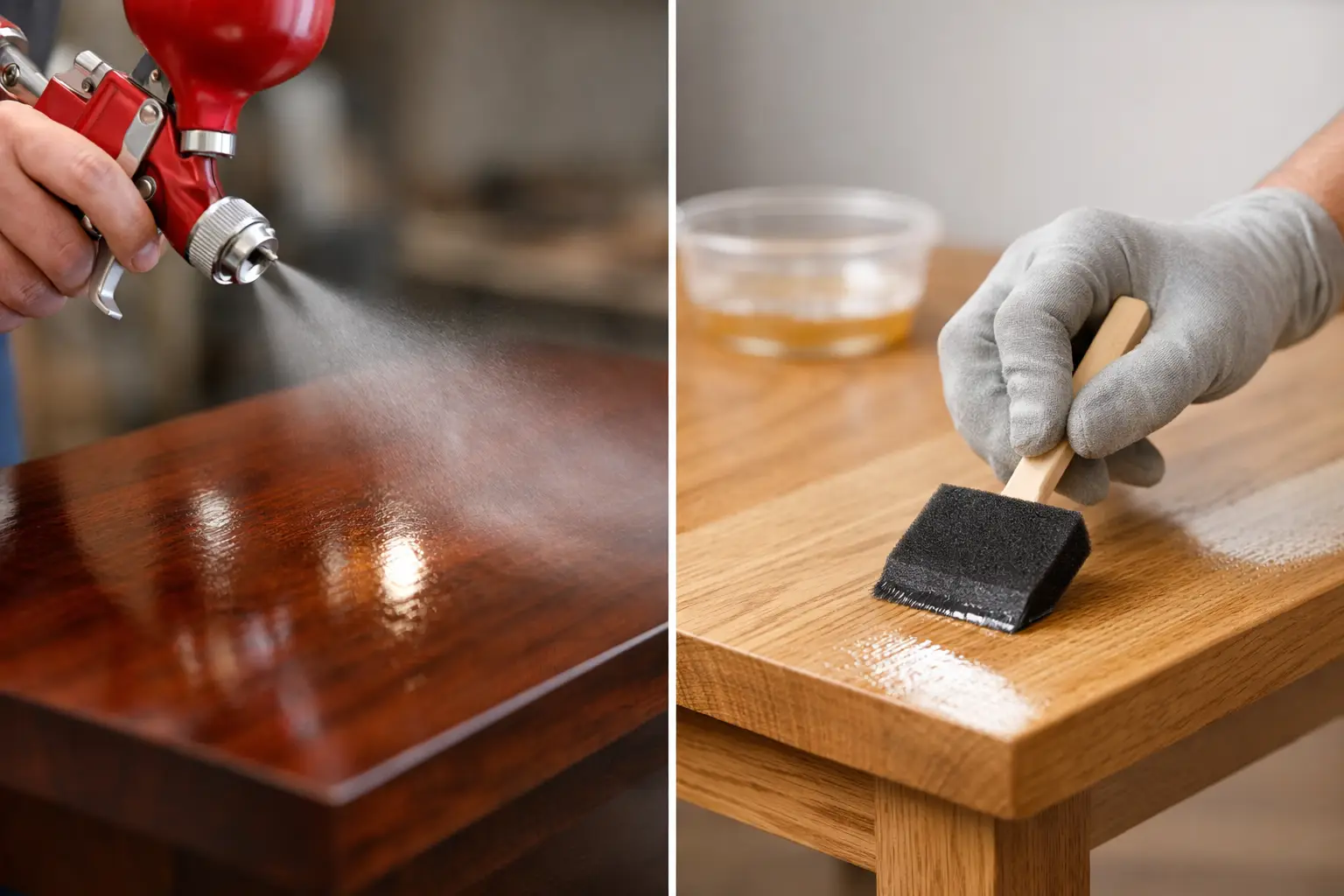
A clear topcoat can make a refinished dresser look professionally finished or leave it vulnerable to scratches, water rings, and yellowing. In the lacquer vs polyurethane finish decision, the right choice comes down to the piece, the look you want, how it will be used, and how you plan to apply it. Fast-drying lacquer is a favorite for smooth furniture and cabinet work, while polyurethane is often the practical choice for hard-working surfaces.
Lacquer vs Polyurethane Finish: The Core Difference
Lacquer and polyurethane are both protective clear finishes, but they build and perform differently. Traditional lacquer dries primarily as solvents evaporate. Each fresh coat can partially melt into the coat below, creating a continuous, smooth film. That is why lacquer is known for an even, polished appearance and quick recoating.
Polyurethane cures into a tougher protective layer. It does not melt back into prior coats in the same way, so adhesion between coats depends on proper drying time and light sanding. The payoff is excellent resistance to abrasion, moisture, household cleaners, and everyday wear.
For a dining table, stairs, wood countertop, or other surface that sees regular contact, polyurethane usually provides the better margin of protection. For cabinets, decorative furniture, interior trim, and production-style refinishing where speed and appearance matter, lacquer can be the better fit.
Choose Lacquer When Speed and Smoothness Matter
Lacquer is popular with furniture makers and finishing professionals because it dries quickly. Depending on the product, temperature, humidity, and application method, coats can often be recoated in 20 to 60 minutes. That can turn a multi-coat finishing schedule from several days into one productive workday.
It also lays down beautifully when sprayed. A properly applied lacquer finish has a clean, refined look that works especially well on stained wood, painted furniture, interior doors, and cabinetry. Because the coats blend together, minor dust nibs and light imperfections are often easier to level between coats.
Lacquer is not automatically the best choice for every project. Many conventional lacquers have strong solvent odors and require very good ventilation, proper respiratory protection, and careful attention to fire safety. Spray application gives the best results, but it also requires equipment and a controlled area to manage overspray.
Lacquer can also be less forgiving on surfaces exposed to standing water, heat, alcohol, or heavy daily use. A coffee table in a quiet sitting room is one thing. A family kitchen table, bathroom vanity, or mudroom bench is another.
Best Uses for Lacquer
Use lacquer when you want a fast, refined finish on interior pieces with moderate wear. It is particularly well suited to cabinets, dressers, side tables, built-ins, molding, interior doors, and decorative woodwork. If you are spraying several pieces or working to a tight project deadline, its fast dry time is a serious advantage.
For a lighter natural wood look, choose a water-clear lacquer product designed to minimize ambering. Always confirm that the specific lacquer is compatible with your stain, paint, primer, and any existing finish.
Choose Polyurethane for Everyday Durability
Polyurethane is the dependable workhorse for wood surfaces that need to stand up to real life. It creates a hard film that resists scuffs, scratches, spills, and repeated cleaning better than many standard clear finishes. That makes it a common choice for floors, tabletops, counters, chairs, shelving, doors, and woodwork in busy homes.
Oil-based polyurethane adds warmth and depth to many woods, especially oak, maple, walnut, and darker stains. The trade-off is that it can amber over time, which may be desirable on warm-toned wood but less appealing over white paint or pale finishes. It also dries more slowly and has a more noticeable odor than water-based options.
Water-based polyurethane dries faster, has lower odor, and stays clearer over light woods and painted surfaces. It is often the smarter option for indoor DIY projects where ventilation is limited or where you need to finish several coats in a weekend. While some water-based products can feel slightly less rich than oil-based finishes, quality formulas offer strong protection with a clean, modern appearance.
Best Uses for Polyurethane
Choose polyurethane for dining tables, desks, hardwood floors, kitchen islands, benches, children’s furniture, bathroom cabinetry, and other high-touch surfaces. It is also a strong option when you are brushing or rolling instead of spraying, since many homeowners can achieve good results with a quality synthetic brush, foam applicator, or microfiber roller.
For outdoor furniture, do not assume a standard interior polyurethane will hold up. Sun exposure and moisture demand an exterior-rated clear coat with UV protection, or a finish specifically intended for exterior wood. Product labels matter here.
Appearance: Gloss, Clarity, and Wood Tone
Both finishes are available in gloss, semi-gloss, satin, and matte or flat sheens. The sheen should match the style of the piece and the amount of traffic it receives. Gloss shows depth but also highlights scratches and fingerprints. Satin is a popular middle ground for furniture and cabinets because it offers a soft luster without looking overly shiny.
Lacquer is often chosen for its crisp, furniture-grade appearance. It can look exceptionally smooth, particularly on sprayed cabinet doors and fine woodwork. Polyurethane may have a slightly thicker, more protective look, especially after several coats, but careful application can still produce a beautiful finish.
Color change is another deciding factor. Oil-based polyurethane deepens and warms wood over time. Water-based polyurethane and many modern lacquers stay clearer. Before committing to a full project, test your complete finishing system on a sample board using the same wood, stain, sealer, and topcoat.
Application and Prep Make the Difference
Even the best topcoat cannot compensate for poor surface preparation. Sand bare wood evenly, remove dust thoroughly, and make sure stain or paint has cured according to its label before applying a clear finish. Trapped moisture, wax, silicone furniture polish, oil, or sanding dust can cause adhesion problems and uneven sheen.
With polyurethane, apply thin coats rather than one heavy coat. Heavy application can lead to drips, brush marks, slow curing, and a soft finish. Lightly sand between coats when the product directions call for it, then remove sanding dust before recoating. Two to three coats are common for furniture, while tabletops and high-wear surfaces may benefit from additional protection.
With lacquer, thin, even spray coats are the goal. Avoid flooding edges and corners, where runs can form quickly. Use the manufacturer’s recommended thinner and equipment settings if you are spraying. Because lacquer dries fast, work methodically and maintain a wet edge where possible.
Temperature and humidity affect both products. Cold conditions slow drying and curing, while high humidity can cause lacquer to blush or turn cloudy. A clean, well-ventilated workspace with stable conditions will improve results more than rushing one extra coat.
Repairs, Maintenance, and Long-Term Value
Lacquer has an advantage when it comes to spot repair. Since new coats can blend into existing lacquer, small scratches and worn areas may be easier for an experienced finisher to repair without stripping the entire piece. The exact result depends on the age and condition of the existing coating.
Polyurethane is tougher in service, but localized repairs can be more visible because new material does not melt into the old finish. For major damage, sanding and refinishing the full top surface may produce the most consistent appearance. That extra effort is often worthwhile for a table or floor that needs maximum protection.
For routine care, use a soft cloth and a mild cleaner appropriate for finished wood. Avoid abrasive pads, harsh solvents, and prolonged standing water. Let either finish cure fully before placing heavy objects on the surface or exposing it to daily use. Dry to the touch is not the same as fully cured.
Which Finish Should You Buy?
Choose lacquer if you are finishing cabinets, decorative furniture, trim, or other interior woodwork and want fast dry times with a smooth sprayed finish. Choose polyurethane if the piece will face frequent spills, abrasion, cleaning, heat, or heavy household use.
There is no need to treat this as a one-product rule for every room. Many successful renovation projects use lacquer for cabinetry and polyurethane for tables, floors, benches, and high-wear furniture. At Oui Colour Paint, you can source the clear coat, compatible stain or paint, sandpaper, applicators, and prep supplies needed to keep the full finishing system working together.
Before opening the can, make a small test panel and give it time to cure. That simple step lets you see the true color, sheen, adhesion, and durability before the finish goes onto the piece you worked hard to restore.
