


Best Exterior Caulking Products for Lasting Seals

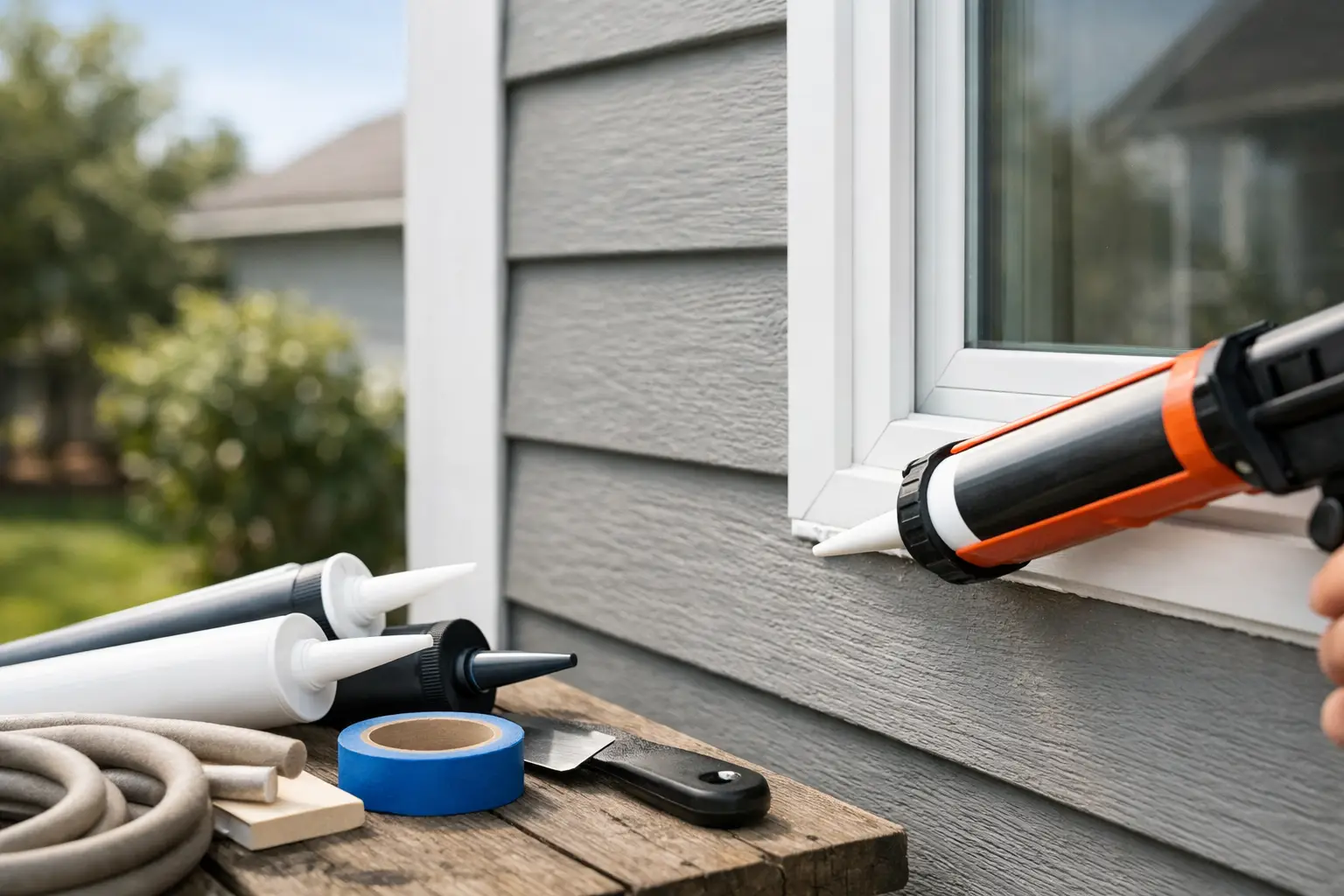
A failed bead of caulk can turn a good exterior paint job into a short-lived one. Water gets behind window trim, siding joints open with seasonal movement, and a fresh coat of paint starts peeling where the surface was never truly sealed. The best exterior caulking products are the ones that match the joint, the material, and the weather exposure – not simply the tube with the highest price tag.
For homeowners, the right caulk prevents water intrusion and gives trim, siding, and window details a clean finished appearance. For painters and contractors, it needs to gun smoothly, adhere reliably, stay flexible, and accept paint on schedule. Choosing well starts with knowing what each caulk chemistry is designed to handle.
What Makes an Exterior Caulk Worth Buying?
Exterior joints move. Wood swells and shrinks, vinyl expands in heat, metal flashing shifts, and temperature swings place steady stress on the sealant. A quality exterior caulk must hold adhesion while stretching and compressing, rather than cracking or pulling away from one side of the joint.
Look beyond the label claim of “exterior use.” The best option for a painted wood window casing may not be the right option for a wide siding gap, a masonry crack, or a wet-area joint around exterior flashing. Paintability, cure time, joint-movement capability, UV resistance, and adhesion to the actual substrate all matter.
Best Exterior Caulking Products by Project
Painted trim, siding, and general repairs: DAP Dynaflex 230
DAP Dynaflex 230 is a strong all-around choice for common painted exterior work. This advanced acrylic latex sealant is designed for flexibility and weather resistance, and it is paintable, which makes it practical for wood trim, fiber-cement siding, fascia boards, and small gaps around doors and windows.
Its main advantage is balance: it is easier to work with and clean up than solvent-based caulks while offering more flexibility than basic painter’s caulk. It is best for properly prepared, relatively narrow joints. Do not expect any acrylic latex product to replace a high-performance construction sealant in a deep, constantly moving gap.
High-movement siding and trim gaps: Sashco Big Stretch
Sashco Big Stretch is a reliable pick where movement is the problem. It is known for its elasticity and its ability to stay adhered as siding, trim, and other exterior components shift through changing seasons. That makes it especially useful on wood-sided homes, older trim details, and joints that have a history of reopening.
Because it is water-based and paintable, Big Stretch works well for painting workflows. It should still be applied to sound, clean surfaces, and large voids should be properly backed before caulking. Stretchy caulk is not a substitute for repairing loose boards, rotted wood, or failed flashing.
Tough exterior joints and mixed materials: OSI QUAD MAX
OSI QUAD MAX is a high-performance sealant for demanding exterior joints, including those involving vinyl, aluminum, wood, fiber cement, and many common building materials. It offers strong adhesion and flexibility, and its ability to be applied in less-than-ideal weather can be valuable for professional crews working around changing conditions.
This is a more jobsite-focused choice than standard acrylic caulk. It costs more, cleanup is less convenient, and the finish may not suit every paint-ready trim detail. Where a durable, weather-tight seal across different materials is the priority, those trade-offs often make sense.
Masonry, concrete, and heavier construction joints: Sikaflex Construction Sealant
For concrete, brick, stone, stucco transitions, and larger construction joints, a polyurethane sealant such as Sikaflex Construction Sealant is often the better category. Polyurethane has excellent adhesion and is built to handle movement and weather exposure, making it a dependable choice for exterior repairs that demand more than a household caulk.
The trade-off is application discipline. Polyurethane can be messy, requires compatible cleanup methods, and may need longer to cure before painting or heavy exposure. Confirm the product’s stated compatibility with the surface and coating system before starting, especially on porous masonry or previously sealed areas.
Windows, doors, and wet transitions: 100% silicone or hybrid sealant
Around certain window, door, flashing, and metal transitions, 100% silicone or a hybrid polymer sealant can offer excellent water resistance and long-term flexibility. Silicone is particularly useful where a joint will remain unpainted and sees frequent moisture.
The catch is paint. Standard 100% silicone usually cannot be painted, so it is a poor choice beside trim that will receive exterior paint. If you need a paintable seal with strong adhesion and weather performance, a paintable hybrid sealant is often the more practical route. Read the label closely because “siliconized” acrylic is not the same thing as 100% silicone.
How to Choose Among the Best Exterior Caulking Products
Start with the surface. Painted wood and fiber-cement trim usually pair well with a premium paintable acrylic or elastomeric caulk. Vinyl, metal, and mixed-material joints frequently benefit from a hybrid or advanced sealant with stronger adhesion. Concrete and masonry need a product rated specifically for mineral surfaces and joint movement.
Then consider the width and depth of the gap. Caulk performs best when it can flex as designed, not when it is packed into an oversized void. For wider joints, install the correct backer rod first. This controls sealant depth, avoids three-sided adhesion, and lets the bead stretch across the joint instead of tearing apart.
Paint timing matters, too. Some products can be painted quickly, while others need a longer cure period. Rain readiness is equally relevant on exterior work. If weather is uncertain, choose a product that fits the forecast and follow the manufacturer’s cure guidance rather than painting over a skin that has not fully set.
Color can also affect the final result. For painted trim, white caulk is usually the simplest starting point, provided it is fully paintable. For siding or cladding that will not be painted, color-matched sealants can reduce the visibility of a joint. A neat bead matters more than color alone, but matching the substrate creates a cleaner professional finish.
Prep Is What Keeps Exterior Caulk in Place
Even premium caulk fails when it is applied over dust, loose paint, chalking, mildew, or old deteriorated sealant. Cut out loose or cracked material with a utility knife or scraper, then brush and clean the joint thoroughly. Let the surface dry before caulking. Moisture trapped behind the bead can compromise adhesion and conceal a larger repair issue.
Use a caulk gun that gives you steady control, and cut the nozzle smaller than you think you need. You can always widen the opening, but an oversized nozzle makes it harder to place a clean, controlled bead. Apply enough material to bridge the joint, then tool it immediately with a caulk tool or a gloved finger suited to the product type.
Avoid the common temptation to caulk every seam you can see. Many siding systems, window assemblies, and trim details rely on drainage paths or weep holes. Blocking these openings can trap water behind the exterior finish. Caulk gaps that are intended to be sealed, and leave engineered drainage details open.
Build a Better Exterior Paint System
Caulking should happen after surface repairs and spot priming where needed, but before the finish coats of paint. Once the caulk has cured according to its instructions, paint creates a more uniform appearance and adds another layer of protection to paintable joints.
For a small repair, a quality paintable acrylic may be all you need. For a contractor-grade siding or window project, selecting a higher-performance hybrid, polyurethane, or movement-rated sealant can prevent costly callbacks. Buy for the condition of the joint, not just the size of the job.
A durable exterior starts at the seams. Choose a caulk made for your materials, prep the joint with care, and give the sealant the cure time it deserves before the next coat goes on.
