


Low Odor Paint Review for Healthier Interiors

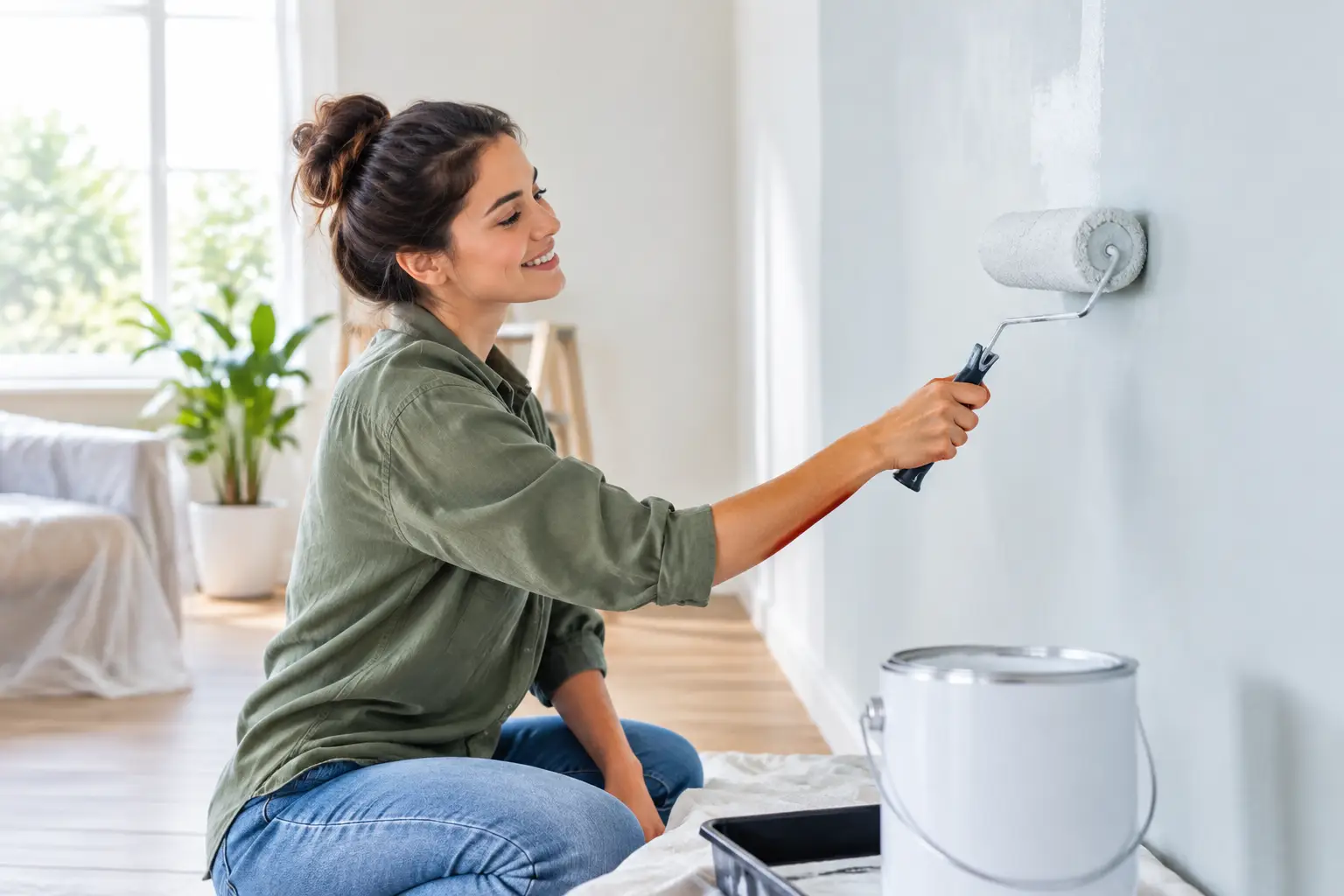
A low odor paint review should answer more than one question: does the paint smell better in the can, or does it actually make a room easier to live in during and after the project? For nurseries, bedrooms, occupied homes, rental turnovers, and commercial interiors, lower odor can make a real difference. But odor is only one part of paint performance. Coverage, scrub resistance, color accuracy, sheen, dry time, and surface preparation still determine whether the finished job looks professional.
The best choice is usually a quality water-based interior paint with low VOC content, a suitable sheen, and the right primer for the surface. That combination can reduce the sharp paint smell many people want to avoid without asking you to compromise on a durable, washable finish.
Low Odor Paint Review: What the Label Really Tells You
“Low odor” is a useful shopping term, but it is not a regulated performance standard on its own. Paint odor may come from volatile organic compounds, or VOCs, as well as other ingredients, colorants, and additives. A paint can have a low-VOC claim and still have a mild scent, especially while wet. Conversely, a paint that seems mild in the store may not be the best option for a high-wear wall.
Read the technical details instead of relying on the front-label wording alone. Look for a water-based formula and the stated VOC level. Zero-VOC and low-VOC products are common choices for interior spaces, but remember that tinting can change the final VOC content. Darker or more saturated colors may require more colorant, so ask about the base and tint system when odor sensitivity is a priority.
Low odor also does not mean no ventilation is needed. Keep windows open where weather permits, use fans to move air outdoors, and allow the coating to dry and cure according to the manufacturer’s instructions. Good airflow improves comfort, helps paint dry consistently, and reduces the chance of moisture-related issues.
Where Low Odor Paint Makes the Most Sense
A lower-smell coating is especially practical when people, pets, or furnishings need to remain nearby. Bedrooms and nurseries are obvious candidates, but it is equally useful in hallways, condo units, offices, healthcare-adjacent spaces, and retail areas that cannot be closed for several days.
For professional painters and renovators, low odor paint can help make occupied-project scheduling easier. A homeowner may be able to sleep elsewhere for one night, but a busy family, tenant, or business often cannot pause daily life around a strong-smelling coating. Faster return-to-use is valuable, provided the product also meets the required durability standard.
That is the key trade-off: choose the coating for the job, not only for the odor claim. A ceiling in a guest room has different needs than a kitchen wall, a stairwell, or a commercial washroom. Low odor should narrow the field, then finish, washability, and adhesion should make the final decision.
Coverage matters as much as comfort
A premium low odor paint that covers well can save time, labor, and materials. Good hiding reduces the chance that a light wall needs three or four finish coats, which can otherwise extend the project and keep the room out of service longer. Coverage is influenced by the existing color, wall texture, application method, and chosen color, so do not treat label coverage figures as a guarantee.
Deep red, navy, bright yellow, and certain clean whites often need additional coats regardless of the paint line. A tinted primer or a compatible undercoat can improve coverage and keep the final color more even. For major color changes, this step is often more cost-effective than applying extra finish coats.
Durability depends on the sheen
Low odor interior paint is available in a range of sheens, and sheen selection has a major effect on cleaning and appearance. Flat and matte finishes soften wall imperfections and work well on ceilings and low-traffic rooms. Eggshell and satin are popular for living areas because they offer a balance of washability and a softer look. Semi-gloss is usually the practical choice for trim, doors, and moisture-prone areas where frequent cleaning is expected.
Higher sheen can reveal drywall flaws, roller marks, and uneven repairs. Before choosing a washable satin or semi-gloss for every wall, inspect the surface in natural side light. A properly patched and sanded wall will make any premium paint perform better.
How We Would Compare Low Odor Paint Options
When comparing products, start with the room and surface, then judge the paint against the factors that affect the finished result. A reliable low odor option should earn its place on more than a pleasant in-store smell.
| What to compare | Why it matters | | — | — | | VOC information and water-based formula | Helps identify products designed for lower indoor odor and emissions. | | Hide and recommended coats | Affects labor, material use, and how quickly the room is completed. | | Scrub resistance | Matters for kitchens, kids’ rooms, entries, rentals, and commercial walls. | | Primer compatibility | Supports adhesion over repairs, stains, glossy surfaces, and dramatic color changes. | | Sheen availability | Lets you match the coating to walls, ceilings, trim, and high-moisture areas. | | Cure time | Tells you when the surface can handle normal cleaning and daily wear. |
Do not assume the most expensive can is automatically the best value. For a small bedroom, a better-grade paint may be worthwhile if it gives smoother application, stronger hiding, and a finish that cleans without burnishing. For a large vacant property, a dependable contractor-grade product may be the efficient choice when the color, surface condition, and wear expectations are straightforward.
Preparation Is What Makes Low Odor Paint Look Good
Low odor paint will not cover contamination, loose material, or water damage. The usual prep steps still apply: clean the surface, remove dust and grease, scrape failing paint, fill holes, sand repairs smooth, and spot-prime bare areas. In kitchens and laundry rooms, wash walls thoroughly enough to remove cooking residue and detergent film before painting.
Primer deserves special attention. Use a stain-blocking primer for water marks, smoke staining, tannin bleed, crayon, or persistent odors. Use a bonding primer over glossy trim, difficult previously painted surfaces, laminate, or other nonporous materials. Choosing the right primer may add a step, but it can prevent peeling, flashing, and uneven sheen later.
Application technique also affects the experience. Use quality roller covers suited to the wall texture, maintain a wet edge, and avoid overworking paint as it begins to set. If spraying, protect adjacent spaces carefully and follow the product’s safety instructions. Spraying creates fine airborne particles, so lower odor does not remove the need for proper respiratory protection and ventilation.
Common Buying Mistakes to Avoid
The most common mistake is buying paint based only on a zero-VOC or low odor badge. That claim is helpful, but it does not tell you whether the paint is suitable for a steamy bathroom, a scuffed hallway, or a heavily used door. Match the product to the surface and expected wear.
Another mistake is skipping samples. Color is affected by daylight direction, LED temperature, flooring, cabinetry, and the surrounding wall colors. Test a sample on the actual wall, then view it morning, afternoon, and evening. This is particularly important with warm whites, greiges, muted greens, and deep accent colors, which can shift dramatically from one room to another.
Finally, do not rush the cure. Paint can feel dry within hours but still need days or weeks to reach its intended hardness. Avoid aggressive washing, hanging tape, or pushing furniture tightly against freshly painted walls until the manufacturer’s cure guidance has passed.
The Best Low Odor Choice Is Project-Specific
For most interior projects, the strongest recommendation is a premium water-based, low-VOC paint selected in the right sheen and paired with proper prep. Choose a washable finish for high-contact walls, a moisture-appropriate coating for bathrooms, and a stain-blocking primer where discoloration or odors are present. For sensitive households, ask for the exact VOC details after tinting and plan the work around ventilation and cure time.
At Oui Colour Paint, homeowners and trade professionals can source paint, primer, tools, and practical color guidance in one place, making it easier to build the complete system rather than buying a can of paint in isolation. A lower-odor project starts with the right product, but it finishes successfully when the surface is prepared well and the coating is given the time it needs to perform.
