


What Paint Finish Hides Imperfections Best?

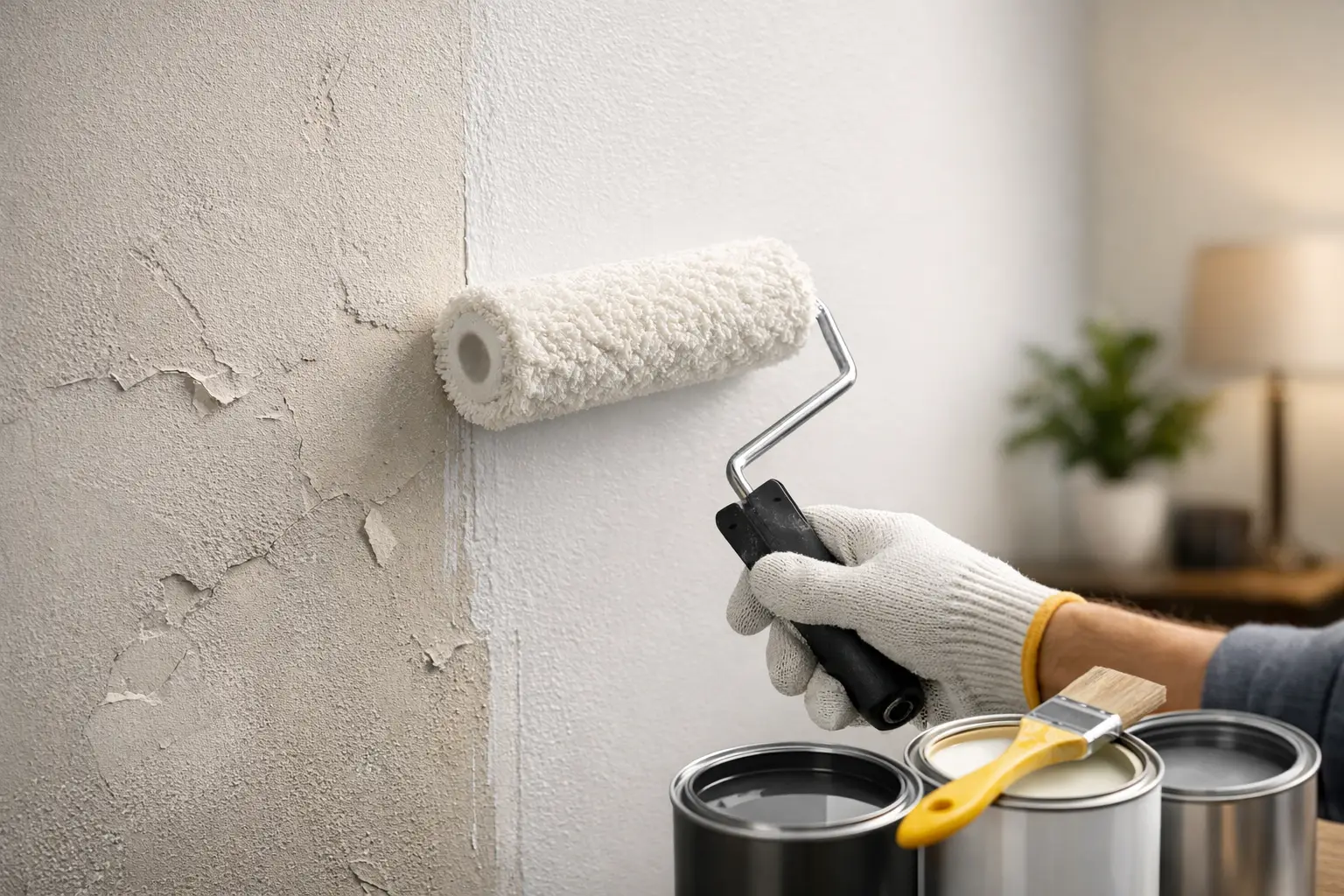
A wall can look fine until fresh paint goes on it. Then every patch, roller mark, dent, and uneven seam suddenly stands out. If you are asking what paint finish hides imperfections, the short answer is this: flatter finishes usually do the best job. But the right choice depends on where the surface is, how much wear it takes, and how imperfect it really is.
That distinction matters. A finish that disguises flaws beautifully in a low-traffic bedroom may be a poor choice for a busy hallway or kitchen. The goal is not just to make defects less visible on day one. It is to choose a finish that still works for the room, the surface, and the level of maintenance you can live with.
What paint finish hides imperfections on walls?
In most cases, flat and matte paint finishes hide imperfections better than eggshell, satin, semi-gloss, or gloss. Lower-sheen coatings absorb light instead of reflecting it sharply, so bumps, taped drywall joints, patched nail holes, and slight texture differences are less obvious.
The more reflective the paint, the more it highlights surface problems. That is why a wall that looks acceptable under old flat paint can suddenly reveal every defect after a satin repaint. Light bounces off shiny finishes and calls attention to irregularities. Flat finishes soften that effect.
If you are working with older drywall, uneven plaster, or walls that have seen several repairs over the years, flat or matte is usually the safest recommendation. For ceilings, flat is almost always the first choice for exactly this reason.
Why sheen makes flaws more visible
Sheen changes how light behaves on a painted surface. A glossier finish creates more reflection, and reflection increases contrast. That contrast makes low spots, high spots, and texture changes easier to spot, especially in rooms with strong natural light or side lighting from windows.
This is also why wall imperfections often look worse at certain times of day. Morning or afternoon sunlight can rake across the wall and make even minor defects look dramatic. Under that kind of lighting, sheen matters just as much as color.
Darker colors can make the issue more pronounced if the finish has more shine. A deep satin or semi-gloss can look rich and durable, but it will not be forgiving on a wall with patchwork underneath. If appearance is the priority and the surface is less than perfect, dialing down the sheen is usually the smarter move.
Flat vs matte vs eggshell
People often use these terms interchangeably, but there are differences.
Flat has the least reflectivity and is generally the best finish for hiding imperfections. It gives walls a soft, uniform look and is especially useful on ceilings, older walls, and rooms where flawless surface prep is not realistic.
Matte is close to flat but often slightly more durable, depending on the product line. Many homeowners choose matte when they want that low-sheen look but need a little better washability. In many modern premium paints, matte is the sweet spot between appearance and performance.
Eggshell has a soft, low luster and is a common choice for living rooms, dining rooms, and hallways. It is more washable than flat, but it does not hide flaws as well. On a well-prepped wall, eggshell can look excellent. On a wall with noticeable patches, surface waviness, or heavy texture variation, it may expose more than you want.
If the question is strictly what paint finish hides imperfections best, flat wins. If the question is which finish hides imperfections while still offering reasonable durability, matte is often the practical answer.
When a flatter finish is the wrong choice
A forgiving finish is not always the best finish for the job. Bathrooms, kitchens, mudrooms, kids’ rooms, and high-traffic corridors often need more scrub resistance and easier cleaning. In those areas, an ultra-flat product may wear faster or mark up more easily.
That is where trade-offs come in. If the walls are not perfect but the room needs performance, a quality matte or low-sheen eggshell may be the better fit than a true flat. You may see a few more imperfections, but you gain a finish that stands up better to daily use.
For trim, doors, and cabinets, the logic flips. Those surfaces usually benefit from satin, semi-gloss, or gloss because they need durability and a cleaner, sharper finish. The catch is that these finishes highlight defects aggressively, so prep has to be much tighter.
Surface type matters as much as finish
Not every imperfection is the same, and finish will only hide so much.
Minor drywall repairs, light texture inconsistency, and small dings are often visually softened by flat or matte paint. Larger issues such as poorly feathered patches, peeling layers, rough sanding marks, or significant wall waviness usually need prep work first. Paint can reduce visual noise, but it will not correct underlying defects.
On plaster walls, a flat or matte finish is often ideal because it helps unify the natural variation in the surface. On brand-new drywall, you have more flexibility if the finishing and sanding were done well. A smooth Level 5 finish can handle eggshell or satin more successfully than an older wall with years of repairs.
Wood surfaces are another story. If the problem is grain, filler marks, or patched nail holes on trim, paint sheen will influence how much you see, but the substrate and prep still determine the final look.
Prep still does the heavy lifting
If you want the best-looking result, do not treat sheen as a shortcut. The right finish helps, but prep is what makes the paint job look professional.
Clean the surface so dust, grease, and residue do not interfere with adhesion or create uneven flashing. Fill dents and holes properly. Sand patched areas smooth and feather the edges. Prime repairs so they do not absorb paint differently than the surrounding wall. If the wall has broad unevenness, skim coating may be worth the time.
Flashing is a common problem on repaired walls. Even if the color matches, patched spots can show through because they absorb and reflect paint differently. A good primer helps even out porosity so the topcoat looks more consistent. This is especially important if you are using a lower-sheen finish to hide imperfections. Without primer, repairs can still stand out.
Best finish choices by room
For bedrooms, offices, and ceilings, flat or matte is usually the best pick if the goal is a smoother-looking surface. These spaces tend to have lower wear, so you can prioritize appearance.
For living rooms and dining rooms, matte is often the strongest all-around choice. It hides flaws better than eggshell while still offering a finish that feels durable and cleanable enough for most households.
For hallways, family rooms, and other moderate-traffic areas, matte again tends to be the practical recommendation. If the walls are in excellent condition and need more washability, eggshell can work.
For kitchens, bathrooms, and laundry rooms, low-sheen finishes with better moisture and stain resistance are usually the safer route. If the walls have visible defects, focus on prep and primer before relying on sheen to solve the problem.
Professional advice for getting a cleaner final look
Lighting, wall condition, and product quality all affect the outcome. Two paints labeled matte may not perform the same way, and premium lines often give you better hide, better touch-up, and a more even finish. That matters when you are trying to downplay defects rather than showcase them.
For homeowners, the easiest mistake is choosing more sheen because it sounds more durable, then regretting how much it reveals. For painters and contractors, the challenge is balancing customer expectations with the condition of the substrate. If the wall is imperfect, setting the right sheen expectation early can save callbacks later.
At Oui Colour Paint, that is exactly where expert product guidance helps. Matching the finish to the room, the surface, and the wear level leads to a better result than choosing by habit.
If your walls have visible patches, uneven texture, or older surface wear, start with flat or matte and build the rest of the system from there. The right finish will not erase bad prep, but it can make a room look calmer, cleaner, and far more finished.
