


Furniture Paint for Wood: What Works Best?

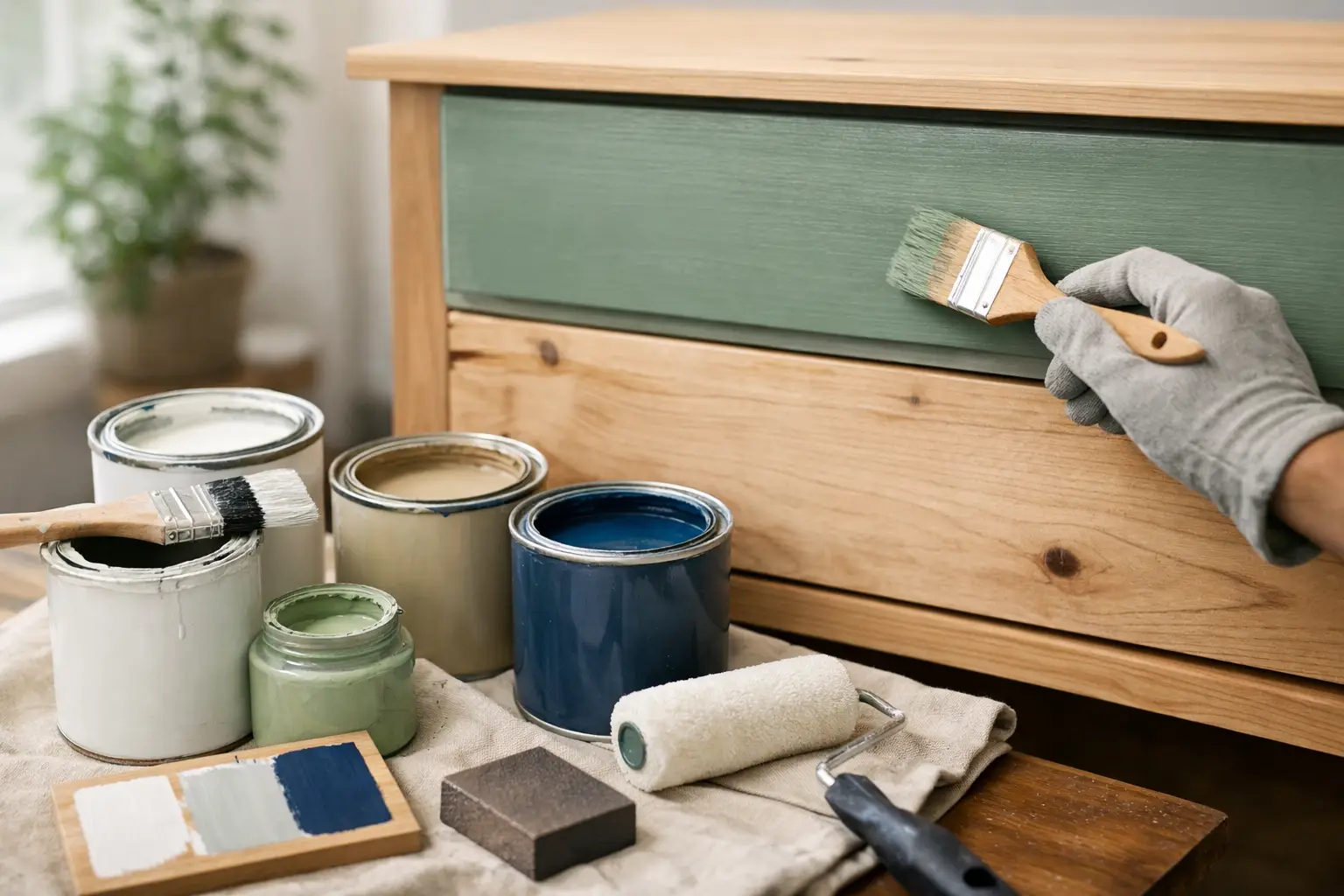
A tired wood dresser can look expensive again with the right coating, but the wrong product shows every brush mark, chips at the edges, or never quite cures hard enough for daily use. Choosing furniture paint for wood is less about grabbing any can labeled for DIY and more about matching the paint to the piece, the room, and the wear it will take.
That matters whether you are refinishing a single nightstand at home or turning around multiple client pieces on a deadline. The best result comes from thinking through three things early – adhesion, finish, and durability. Once those are right, color becomes the fun part.
How to choose furniture paint for wood
Not all wood furniture asks for the same paint system. A decorative side table in a guest room has different demands than a kitchen chair, vanity, or entry bench that gets hit, wiped, and used every day. If the piece sees frequent contact, hard-curing enamel or cabinet and trim-style coatings are usually the smarter choice than soft, porous decorative paints.
For many projects, water-based furniture and trim paints strike the best balance. They are easier to work with, lower in odor, and typically dry faster than oil-based products. They also suit homeowners who want a cleaner application process indoors. For pros, they speed up turnaround and reduce callbacks tied to yellowing or prolonged cure times.
That said, oil-based and specialty alkyd formulas still have a place. They can level beautifully and often deliver a very hard finish, but they usually come with stronger odor, longer dry times, and more demanding cleanup. If you’re working in an occupied home or a quick-refresh retail setting, those trade-offs matter.
The finish matters as much as the color
When customers shop for paint, they often focus on shade first. On furniture, sheen is just as important. Flat and matte finishes can look refined, especially on vintage or low-traffic pieces, but they generally mark more easily and may be harder to wipe clean. Satin and semi-gloss are often the safer choice for everyday furniture because they hold up better to handling and routine cleaning.
Gloss can work well on modern pieces, accent furniture, or dramatic color choices, but it also highlights dents, filler repairs, and surface flaws. If the wood is older or heavily patched, a lower sheen can be more forgiving. There is no single best finish – it depends on whether you want a soft painted look or a surface that feels closer to factory-finished cabinetry.
Prep is where durable results start
Good furniture paint for wood still fails on poor prep. That is true for a weekend DIY project and even more true on paid client work. Dust, wax, polish residue, cooking grease, and hand oils can all interfere with adhesion.
Start by cleaning thoroughly. A piece that looks clean may still have years of furniture polish on the surface. After cleaning, inspect for peeling finish, water damage, deep scratches, and loose joints. Paint is not a fix for structural problems. If a chair wobbles or veneer is lifting, handle repairs before you open the paint.
Sanding helps in most cases, even when the label says little to no sanding required. You do not need to strip every piece to bare wood, but you do want to degloss slick factory finishes and smooth out rough patches. A light, even scuff sand gives primer and paint a better surface to grab.
If the furniture has carved details, turned legs, or ornate trim, sanding becomes slower and more selective. In those cases, a bonding primer can do more of the heavy lifting. That is often the better route than overworking delicate details just to chase a perfectly raw surface.
When primer is worth it
Primer is not always optional, especially on wood. Bare wood, stained furniture, knotty pine, repaired surfaces, and pieces with unknown existing coatings all benefit from a proper primer. It helps with adhesion, blocks tannin bleed, and creates a more uniform base so your color looks consistent.
This matters most with whites, light neutrals, soft greens, and pale blues. Without primer, wood stains and tannins can discolor the finish and force extra coats. Dark paints can hide more, but they still perform better over the right base.
If you are painting laminate over wood veneer, glossy sealed wood, or older furniture with a hard factory coating, a high-adhesion primer is often the difference between a finish that lasts and one that scratches off too easily. Skipping it may save time on day one and cost far more time on touch-ups later.
Best paint types for wood furniture
For most customers, there are three practical directions.
Acrylic enamel or cabinet and trim paint is a strong choice when durability is the priority. It cures harder than many standard wall paints, resists wear better, and generally gives a smoother, more professional finish. This is often the right pick for dressers, desks, dining chairs, and built-ins that need to handle daily use.
Chalk-style and mineral-style paints are popular for decorative refinishing because they grip well, create a soft, low-sheen look, and can be distressed for a vintage effect. They are easier to use on character pieces, but they are not always the best option for high-contact surfaces unless protected properly with wax or a durable topcoat.
All-purpose latex wall paint is where many furniture projects go wrong. It may look fine at first, but it usually is not formulated for the repeated touch, abrasion, and cleaning that furniture sees. If the goal is a finish that feels intentional and holds up, choose a product designed for furniture, trim, cabinets, or similar hard-use surfaces.
Brush, roller, or spray?
Application changes the final look. A quality brush works well for detailed furniture and smaller projects, especially when paired with a paint that levels nicely. It gives control around edges, spindles, and trim, but cheap brushes leave marks and shed bristles into the finish.
Small high-density foam rollers can produce a very smooth result on flat drawer fronts, side panels, and tabletops. They are efficient, but they are less useful on intricate pieces. Spraying delivers the most factory-like finish when the setup, masking, and environment are right. For professionals or experienced DIY users, it can be the fastest route to a premium result. For occasional painters, it can also create more cleanup and more waste than expected.
The right answer depends on the piece and the schedule. A single accent table may be faster by brush. A set of six chairs or a full bedroom suite may justify spraying.
Color selection for real spaces
Wood furniture paint does not live in isolation. It sits against flooring, wall color, hardware, lighting, and surrounding finishes. Warm whites can soften a traditional piece, while cooler grays and charcoal shades lean more contemporary. Deep greens, navy, and black are dependable for statement furniture because they add contrast without feeling too trendy.
If you are repainting a piece for resale or a client install, neutral colors usually offer the safest return. If the furniture is staying in your home, the better question is how much contrast you want. Matching trim color creates a calmer look. Going darker than the walls makes the piece feel anchored. Choosing a saturated accent color turns furniture into décor rather than background.
This is also where sample testing helps. Wood undertones, room light, and sheen can all shift the way paint reads. What looks soft in the can may feel much brighter on a large dresser under daylight.
Topcoats, cure time, and real-world durability
One of the most common mistakes is assuming dry means ready for heavy use. Paint can feel dry to the touch long before it reaches full cure. Drawers dragged open too soon, stacked tabletops, or decorative objects placed back immediately can all leave marks.
Some furniture paint for wood does not need a separate topcoat, especially harder enamel-type products. Others benefit from extra protection. Tabletops, desktops, vanities, and heavily used side tables often deserve that extra layer. The best choice depends on the paint system. Not every wax, polyurethane, or water-based clear finish pairs well with every paint.
This is where expert guidance saves time. Matching the basecoat and topcoat correctly matters more than buying the most expensive can on the shelf. If you are buying for multiple projects, it also helps to source primer, paint, clear coat, abrasives, brushes, rollers, and masking supplies from one supplier so the system works together.
For homeowners, that means fewer surprises. For contractors, it means cleaner workflow, more consistent results, and easier reordering when a product performs well on the job.
A good furniture finish should look better after a month of use, not worse. Take a little more time choosing the right paint system, and the piece will reward you every time someone touches it.
