


Best Primer for Water Stains

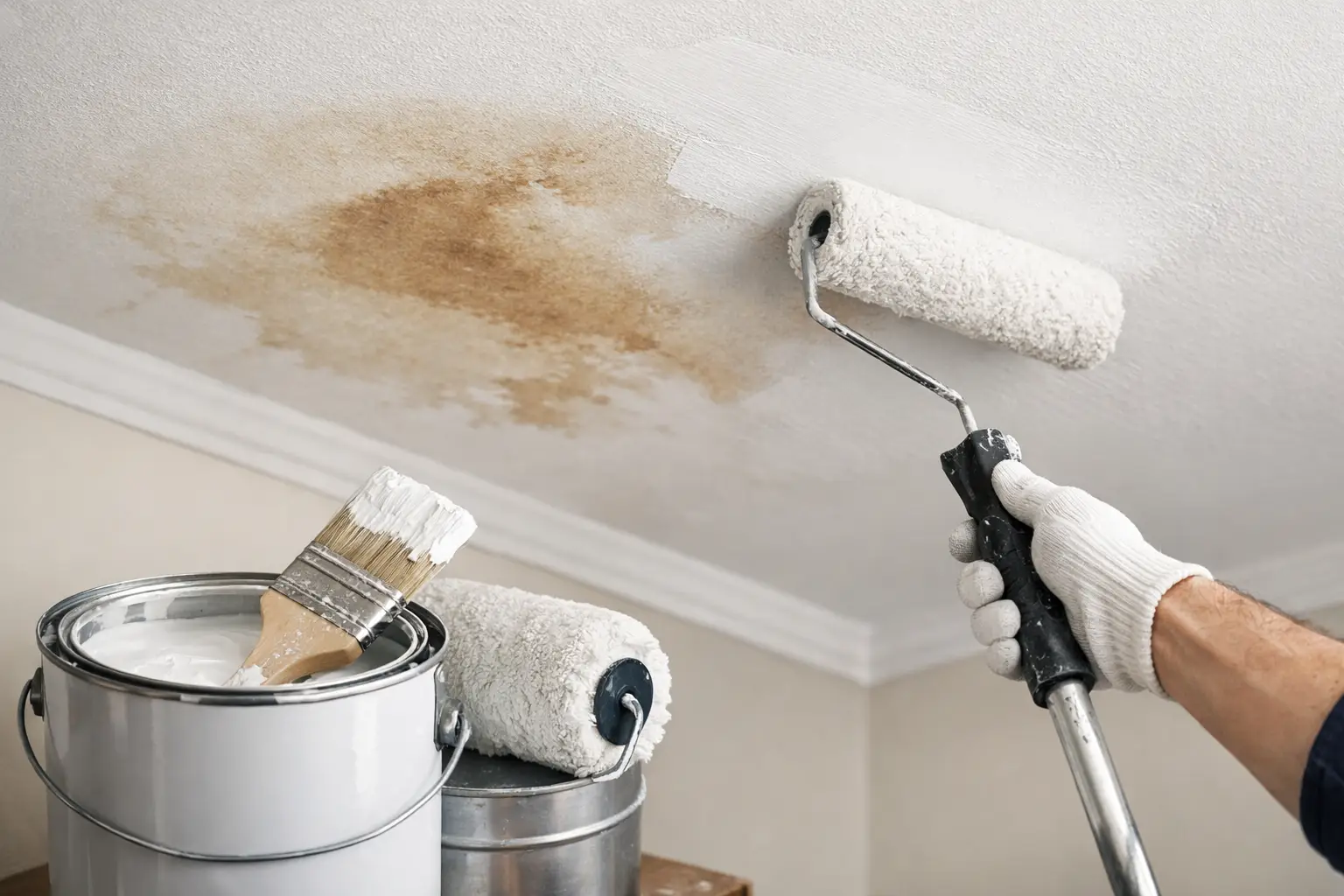
A brown ring on the ceiling can ruin a fresh paint job faster than almost anything else. If you’re choosing a primer for water stains, the goal is not just to cover the mark – it’s to block it so it does not bleed back through your finish coat a week or a month later.
That distinction matters. Standard wall primer is often not enough for water damage, especially on ceilings, drywall, plaster, and previously painted trim. Water stains carry tannins, minerals, dirt, and other contaminants that can migrate through ordinary coatings. You might get temporary coverage, but not a lasting repair.
What a primer for water stains actually needs to do
A stain-blocking primer has one job above all else – isolate the stain from the new paint film. Good coverage helps, but coverage alone is not the benchmark. If the primer is too porous or too weak, the stain can reactivate and show through the topcoat as yellowing, shadowing, or patchy discoloration.
This is why professionals usually reach for specialty stain-blocking primers rather than basic drywall primers or all-purpose wall primers. The best option depends on the surface, the severity of the stain, and how quickly the job needs to move.
Not all water stains are equal
A faint mark from an old roof leak is different from a heavily soaked ceiling under an active plumbing issue. Before you buy anything, look at the stain itself and the surface condition around it.
If the stain is dry, stable, and limited to discoloration, a quality stain-blocking primer may be all you need after cleaning. If the drywall is swollen, soft, crumbling, or moldy, primer is not the first step. The damaged material needs to be repaired or replaced, and the moisture source has to be fixed before any coating goes on.
That is the first trade-off to keep in mind. Primer can solve staining. It cannot solve ongoing leaks.
The main types of primer for water stains
Oil-based stain-blocking primer
Oil-based primer is a long-standing choice for water stains because it seals well and performs reliably on drywall, plaster, wood, and previously painted surfaces. It is especially useful when the stain is moderate and you want strong adhesion along with decent blocking power.
For many homeowners, oil-based primer hits the middle ground. It is tougher than basic latex primer, but usually easier to work with than shellac. The downside is longer dry time, stronger odor, and solvent cleanup. On interior projects, that can matter a lot if ventilation is limited or the room needs to go back into service quickly.
Shellac-based primer
If the stain is severe, persistent, or has already bled through another coating, shellac-based primer is often the strongest answer. It dries fast, blocks aggressively, and is a common go-to for difficult ceiling stains, smoke damage, knots in wood, and mystery marks that keep returning.
The trade-off is that shellac is less forgiving to work with. It has a strong smell, dries very quickly, and typically requires denatured alcohol for cleanup. For pros and experienced DIYers, that speed can be a benefit. For a first-time painter, it can feel a little less relaxed than water-based products.
Water-based stain-blocking primer
Modern water-based stain blockers have improved a lot, and some perform well on light water stains or on jobs where low odor and easy cleanup are priorities. They are often a good fit for occupied homes, quick touch-ups, or projects where convenience matters as much as performance.
But this is where people get into trouble. A water-based stain blocker can work very well on minor discoloration, yet still struggle on deep yellow-brown stains or old leak marks with heavy contamination. If you’re unsure and the stain looks dark or widespread, stepping up to oil or shellac is usually the safer call.
How to choose the right primer for your project
For a small, light stain on a wall or ceiling, a quality water-based stain-blocking primer may be enough, especially if the leak was minor and the surface is otherwise sound. For medium stains, older damage, or areas that have failed before, oil-based primer is often the practical choice.
For heavy stains, repeated bleed-through, or problem surfaces like ceilings above bathrooms, shellac-based primer is usually the best performer. It is also a smart option when turnaround time matters because it dries so quickly.
Surface type matters too. Drywall and plaster generally accept all three categories, but wood trim with water marks can carry tannins and discoloration that respond better to stronger stain blockers. If you’re coating over glossy existing paint, proper surface prep still matters no matter which primer you choose.
Prep matters more than most people expect
Even the best primer for water stains cannot bond properly over dust, grease, chalky residue, or loose paint. Start by making sure the leak or moisture source is fully resolved. Then let the area dry completely.
Next, clean the stained surface. In many cases, a mild cleaner is enough to remove surface grime. If there is mildew, use an appropriate mildew-removal process before priming. Once the area is clean and dry, scrape any loose paint, patch where needed, and sand rough edges so the repair blends into the surrounding surface.
This is also the time to check whether the stain is only cosmetic. Press gently around the spot. If the drywall feels soft, brittle, or swollen, repair comes before priming.
How to apply primer for water stains the right way
Spot priming is often enough for isolated stains, but there are limits. If you prime only the mark and then repaint the whole ceiling, the patched area can flash or show a texture difference depending on the product and sheen.
On ceilings, many painters will spot-prime the stain first, then apply a broader coat over the surrounding area or even prime the full ceiling plane if the damage was noticeable. That creates a more uniform finish and reduces the chance of visible patching under topcoat.
Use a brush for corners and edges, and a small roller for open areas. Apply the primer generously enough to seal the stain, but do not flood the surface. Follow dry-time guidance closely. Rushing into paint before the primer has cured can compromise stain blocking and adhesion.
If the stain still ghosts through after the first coat, do not assume the finish paint will hide it. Apply a second coat of primer. That extra step is usually faster and cheaper than repainting later.
Common mistakes that lead to bleed-through
The biggest mistake is using standard latex primer and hoping for the best. It may look covered while wet, then reveal the stain again after the finish dries. The second mistake is painting before the substrate is fully dry. The third is ignoring the source of the water altogether.
Another common issue is underestimating how far the stain has spread. Water can wick beyond the visible edge of the mark, especially in ceiling drywall. Priming slightly beyond the stained area helps create a more reliable seal.
When you may need more than primer
Sometimes a stained area is also a repair area. If you have bubbling tape joints, damaged texture, peeling paint, or patched drywall, your system might include filler, sanding, stain-blocking primer, and then a finish primer depending on the surface condition.
That is especially common on renovation work and on older homes where ceilings have multiple layers of paint and previous repairs. In those cases, choosing products that are compatible with each other saves time and avoids callbacks.
For trade professionals, that usually means thinking beyond one can. For homeowners, it means buying the full prep-and-finish system upfront so the project does not stall halfway through.
What to buy if you want the safest result
If you are standing in front of the shelf and want the simplest buying logic, match the primer strength to the stain severity. Light stain and low-odor preference – start with a quality water-based stain blocker. Moderate stain or uncertain history – move to oil-based. Heavy stain, repeat failure, or urgent turnaround – choose shellac-based.
That approach is not flashy, but it works. It also helps you avoid the false economy of cheaper primer that needs to be redone.
If you want expert guidance across interior paint, primers, prep products, and job-ready accessories in one order, Oui Colour Paint makes it easier to source the right system for both DIY projects and professional repaint work.
A water stain is rarely just a color problem. Treat it like a sealing problem first, and your finish coat has a much better chance of staying clean, even, and finished-looking for the long haul.
