


Can Exterior Paint Be Used Indoors Safely?

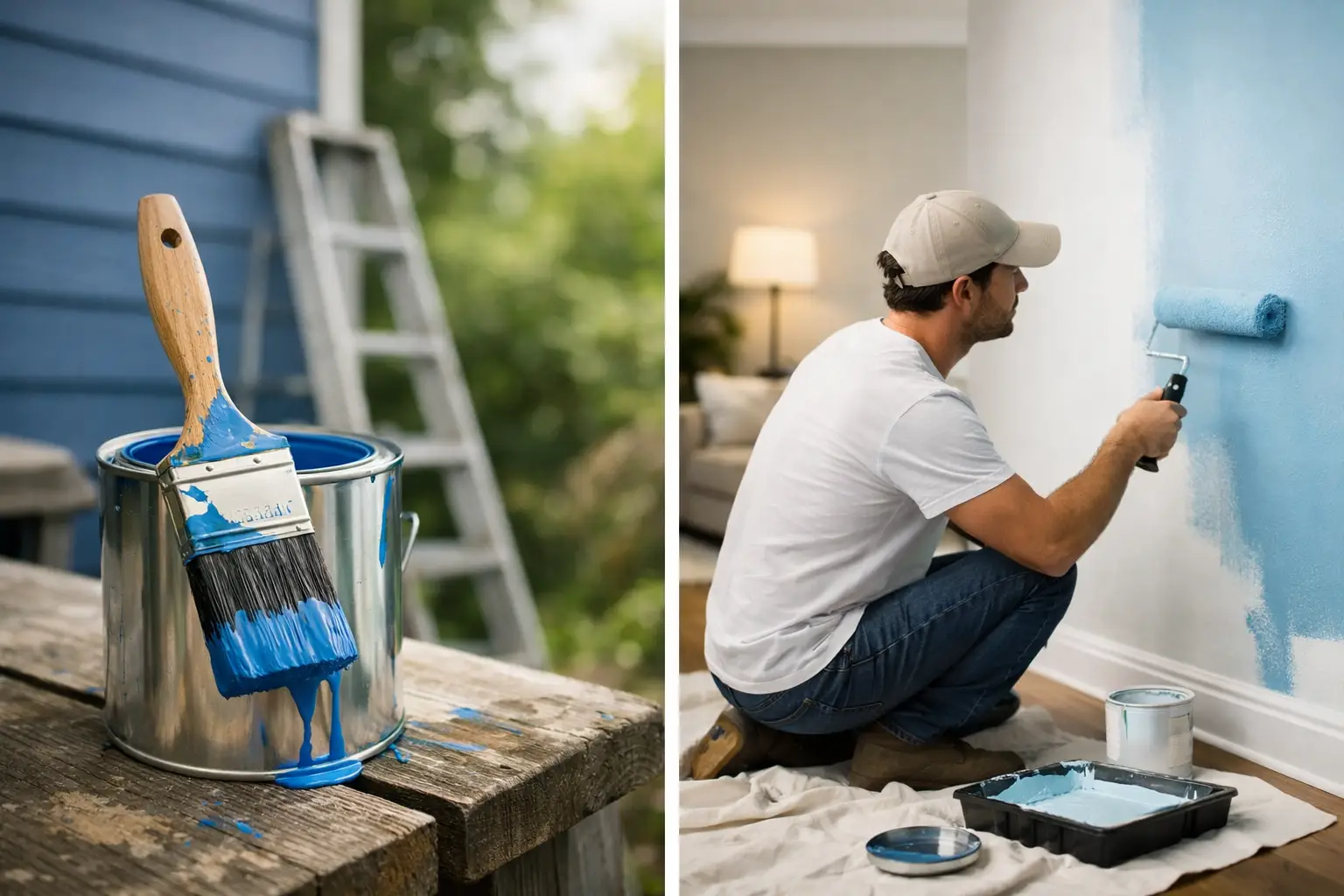
A half-used can of exterior paint can look like an easy answer when you are refreshing a laundry room, basement, or trim. But can exterior paint be used indoors without creating a problem later? In most cases, it is better not to. Exterior coatings are engineered for a very different environment, and the traits that help them stand up to sun, rain, and temperature swings are not always a good fit for the air quality, appearance, and wear conditions inside your home.
If you need paint for an indoor project, a quality interior coating will usually give you a better result with less odor, a smoother finish, and a finish designed for everyday cleaning. Saving the exterior paint for outdoor trim, siding, fences, and other labeled uses is the practical choice.
Can Exterior Paint Be Used Indoors?
Technically, exterior paint will adhere to many indoor surfaces if the surface is properly cleaned, dull, and primed where needed. That does not make it the recommended product. Paint labels and technical data sheets identify where a coating is intended to be used, and those directions should guide the project.
Exterior paint needs to tolerate ultraviolet exposure, moisture, mildew, expansion, contraction, and wind-driven dirt. To do that, formulations may include mildewcides, fungicides, resins, and additives that are unnecessary indoors. Some exterior coatings also release a stronger odor while drying and curing than a comparable interior product.
Modern water-based exterior paints can be lower in VOCs than older formulas, but low VOC does not automatically mean the paint is intended for enclosed living spaces. VOC content is only one piece of the decision. The complete formula, labeled use, ventilation requirements, and the people using the room all matter.
For bedrooms, nurseries, kitchens, bathrooms, hallways, and occupied workspaces, choose an interior paint specifically designed for that room. Do not use exterior paint on cribs, children’s furniture, toys, food-contact surfaces, or areas where people may regularly touch the finish.
Why Exterior Formulas Behave Differently Inside
The biggest difference is flexibility. Outdoor wood, trim, and siding continually move with changing heat and humidity. Exterior paint is formulated with flexible binders so it can stretch with those surfaces rather than crack quickly. Indoors, that flexibility can leave a finish that feels softer or takes longer to reach its full hardness.
Interior paint is designed around a different set of expectations: even sheen, scrub resistance, smooth touch-up, stain removal, and a finish that holds up to daily contact. A premium interior acrylic is usually the better choice for walls, doors, baseboards, cabinets, and ceilings because it cures for the type of traffic those surfaces receive.
Sheen can also become an issue. Exterior coatings are often available in finishes intended to shed rain and resist weather. On interior walls, a product that is too glossy can highlight drywall repairs, roller marks, and surface imperfections. A properly selected interior flat, eggshell, satin, or semi-gloss finish gives you more control over the final look.
The Indoor Air Quality and Odor Concern
A newly painted room should have good airflow regardless of which paint you choose. Open windows when weather permits, use exhaust fans where available, and allow the room to dry and cure according to the label. Exterior paint raises the stakes because it may contain additives intended to prevent biological growth outdoors and may produce a more persistent odor in a closed room.
This is especially relevant in smaller spaces with limited ventilation, such as closets, basements, bathrooms, and utility rooms. It also deserves extra care in homes with infants, older adults, pets, or people who are sensitive to paint odors or respiratory irritants.
Do not assume that a paint is fully harmless as soon as it feels dry. Dry time means the surface is no longer wet to the touch. Cure time is the longer period needed for the coating to reach its intended hardness and performance. During that window, keep fresh air moving through the area and follow the manufacturer’s recoat and occupancy guidance.
What If You Already Painted a Room With Exterior Paint?
There is no need to panic over one painted wall or a small repair. First, identify the exact product used. The can label will tell you whether it is water- or oil-based, its intended applications, cleaning instructions, and safety language. Keep the room well ventilated and give the paint ample time to cure.
If the odor remains strong after the stated cure period, if the room is a nursery or bedroom, or if the product label advises against interior use, repainting with a suitable interior paint is the safest path. Let the exterior coating cure as directed, clean the surface if required, use a compatible bonding primer when needed, and apply the interior finish. A paint professional can help confirm primer compatibility before you begin.
If you used exterior paint in a high-touch area and the finish stays tacky, scuffs easily, or is difficult to clean, replacement is also worthwhile. Those are signs the coating is not delivering the performance you need indoors.
Better Paint Choices for Indoor Projects
Start with the room and the surface, not with whichever can is left in the garage. For most walls and ceilings, interior latex or acrylic paint offers dependable coverage, manageable odor, and a finish that is easy to maintain. A matte or eggshell sheen suits many living areas, while satin or semi-gloss is often a smart choice for trim, doors, kitchens, bathrooms, and other areas that need frequent cleaning.
For kitchens and bathrooms, look for an interior coating built for moisture resistance and washability. It should not replace proper ventilation or solve an active leak, but it will stand up better to steam, splashes, and routine cleaning than standard wall paint.
Cabinets and furniture need a different approach. Use a furniture paint, cabinet coating, or specialty enamel that is designed to level well and cure hard. Proper cleaning, sanding or deglossing, and the right primer often make more difference than adding extra coats of the wrong paint.
Masonry, metal, floors, tile, and previously coated surfaces may require specialty primers or coatings. This is where product selection becomes more than a color decision. A finish that looks excellent on drywall may fail on a slick cabinet door, rusty railing, or concrete floor.
Prep Still Determines the Result
Choosing interior paint does not eliminate the need for preparation. Clean walls with an appropriate mild cleaner to remove cooking residue, hand oils, dust, and soap film. Repair holes and cracks, sand rough patches, remove loose paint, and wipe away sanding dust before priming or painting.
Prime bare drywall, patched areas, water stains, major color changes, and surfaces with adhesion concerns. A stain-blocking primer is the right answer for many smoke, tannin, marker, or water stains, while a bonding primer can help on glossy or difficult surfaces. Match the primer to the problem instead of treating primer as an optional extra.
Temperature and humidity also affect results. Paint within the label’s recommended conditions, use quality rollers and brushes suited to the coating, and respect recoat times. Rushing a second coat can reduce leveling, durability, and color consistency.
When Exterior Paint Is the Right Product
Exterior paint is not a bad product. It is simply the wrong product for most interior jobs. Use it where its weather-resistant qualities are needed: exterior siding and trim, doors exposed to the elements, shutters, fences, decks when the label permits, and other outdoor substrates prepared according to the coating instructions.
For projects that cross the boundary between indoors and out, such as a covered porch, three-season room, garage, or exterior-facing entry door, conditions matter. Ask whether the area is heated, enclosed, directly exposed to weather, and regularly occupied. The answer may point to an interior-exterior rated product or a specific specialty coating rather than a standard exterior wall paint.
The best paint choice protects more than the surface. It supports a finish that looks right, cleans well, and fits the way the space is used. Before opening that leftover exterior can, choose a coating made for the room, prepare the surface carefully, and keep the project moving with the right primer, tools, and finish from the start.
