


Concrete Floor Coating Canada: What to Choose

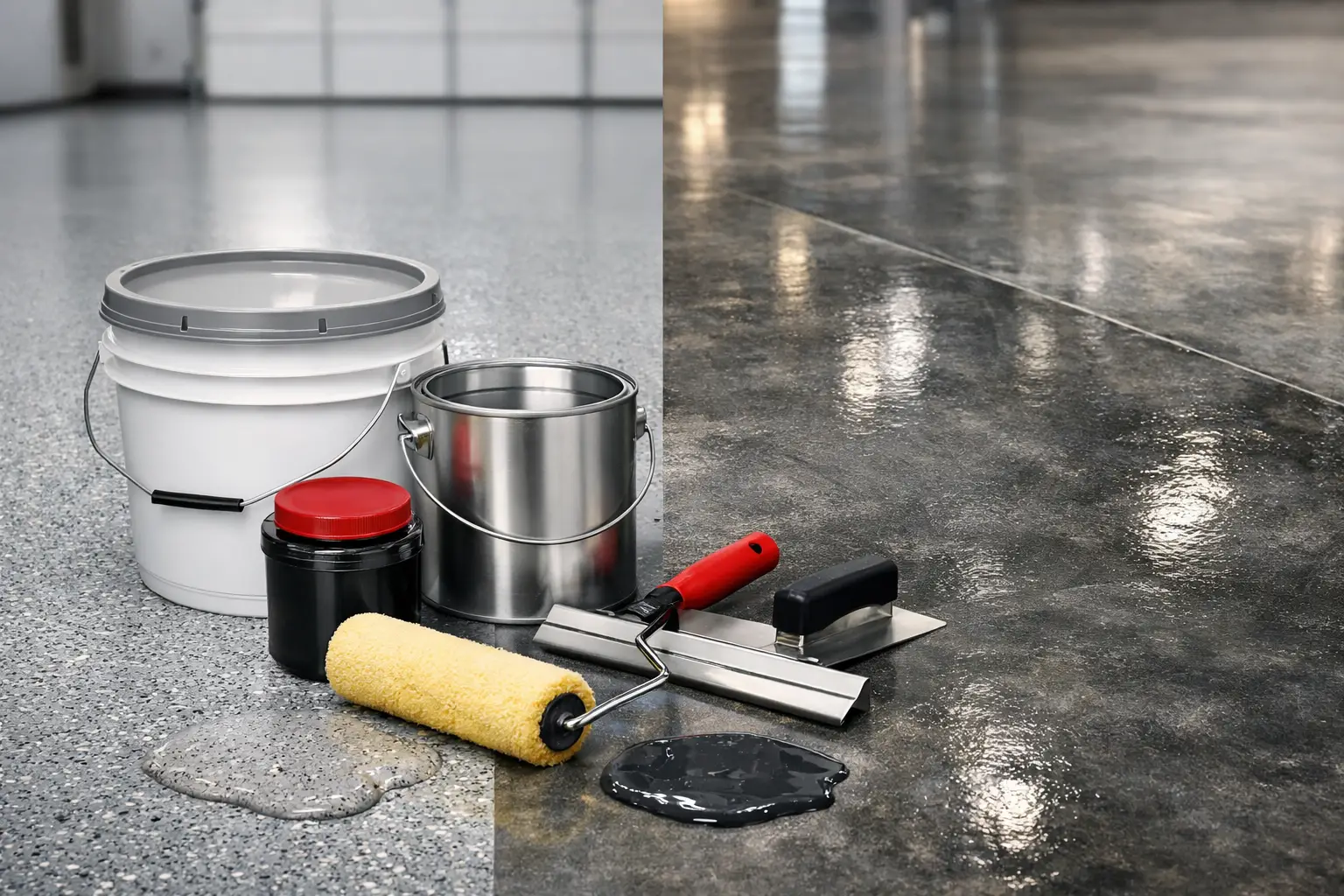
A garage floor that looked fine in October can start peeling by March if the coating was chosen for price instead of performance. That is the real challenge with concrete floor coating Canada projects – you are not just choosing a finish, you are choosing how that floor will handle road salt, freeze-thaw cycles, moisture, hot tires, dropped tools, and daily wear.
For homeowners, the right coating makes a garage, basement, mudroom, or workshop easier to clean and better looking. For contractors and trade buyers, it also means fewer callbacks, better jobsite efficiency, and a finish that holds up under real use. The best system depends on where the floor is located, how the slab was prepared, and what kind of abuse it will take.
What makes concrete floors in Canada different
Concrete is never as simple as it looks. In colder regions, slabs deal with seasonal movement, moisture pressure, and salt exposure that can stress a coating long after installation day. A product that performs well in a light-duty interior room may fail fast in a garage that sees wet tires, snowmelt, and de-icing chemicals.
That is why product selection should start with environment, not just appearance. A glossy showroom-style finish may look great in photos, but if the floor has moisture issues or the wrong prep profile, that shine will not last. On the other hand, a slightly more workmanlike system with the right primer and topcoat can outperform a cheaper decorative option by years.
Concrete floor coating Canada options that actually make sense
Not every concrete coating is built for the same job. The most common categories are epoxy, polyaspartic, polyurethane, and acrylic, and each one has a place.
Epoxy coatings
Epoxy remains a strong choice for many residential and light commercial floors because it offers good adhesion, strong chemical resistance, and a thicker build than many basic paints. It is a practical option for garages, workshops, utility spaces, and basements when the slab is properly prepared.
The trade-off is cure time and application sensitivity. Epoxy usually needs more controlled conditions than faster-curing systems, and some formulas do not like cold temperatures or high humidity during installation. If speed matters or the space cannot stay offline for long, epoxy may not be the best fit.
Polyaspartic and polyurea systems
These are often chosen for faster turnaround and excellent durability. They can offer strong abrasion resistance, UV stability, and quicker return-to-service times, which is a major advantage for busy garages or commercial settings.
They are not automatically the right answer for every project, though. Faster cure means less working time, which can make application less forgiving. For DIY users, that matters. For pros, it can be a major advantage if the crew is experienced and the schedule is tight.
Polyurethane topcoats
Polyurethane is often used as a topcoat rather than a standalone build system. It adds wear resistance, chemical resistance, and in many cases better UV performance than epoxy alone. In sun-exposed areas or spaces where color retention matters, that extra layer can pay off.
It usually works best as part of a system, not as a shortcut. If the base coat and prep are weak, a tough topcoat will not save the installation.
Acrylic concrete coatings and floor paints
Acrylic products can be a budget-friendly option for lighter-duty spaces. They are easier to apply, often more accessible for DIY use, and suitable for utility rooms, low-traffic basements, or temporary refresh projects.
The limitation is durability. In high-traffic garages or commercial spaces, acrylic coatings generally wear faster and offer less resistance to chemicals and hot tire pickup. If the floor sees real abuse, stepping up to a more heavy-duty system is usually worth the investment.
Surface prep decides the outcome
If there is one part of a floor coating project that should never be treated as optional, it is preparation. Most coating failures are not product failures. They are prep failures.
Concrete needs to be clean, sound, and properly profiled so the coating can bond. That may involve mechanical grinding, shot blasting, crack repair, degreasing, and moisture testing. A floor with old sealers, oil contamination, curing compounds, or hidden moisture can reject even a premium coating.
This is where many DIY jobs go off course. Acid etching may sound like enough, but it does not always create the consistent profile needed for long-term adhesion. Mechanical prep is often the better choice, especially for garages and professional-grade systems.
Moisture is the issue people catch too late
A slab can look dry and still have moisture vapor moving through it. In basements and ground-level slabs, that matters a lot. When moisture pressure builds under a non-breathable coating, peeling, bubbling, and delamination can follow.
Before choosing a coating, it is worth asking whether the floor has a history of dampness, efflorescence, or seasonal moisture changes. If so, the coating system needs to account for that. In some cases, a moisture-tolerant primer is enough. In others, the smarter move is to solve the moisture issue before applying any finish at all.
Where the floor is located changes the product choice
A garage floor needs different performance than a basement floor. That sounds obvious, but it is where many buyers oversimplify the decision.
In garages, resistance to salt, automotive fluids, tire heat, and abrasion usually matters most. You want a system with strong adhesion, chemical resistance, and enough build to take impact and wear. Decorative flakes can also help hide dirt and add slip resistance when paired with the right topcoat.
In basements, moisture and vapor transmission may be the bigger concern. A decorative finish still matters, especially in finished lower levels, but durability has to be balanced with compatibility for below-grade concrete.
In workshops and commercial spaces, the question becomes how hard the floor works. Frequent cart traffic, dropped tools, chemical exposure, or regular washdowns can all change the recommendation. There is no single best coating for every slab.
Gloss, texture, and maintenance matter too
Most buyers focus first on durability, then color. That makes sense, but finish level and texture have a big impact on everyday satisfaction.
A high-gloss floor gives a cleaner, brighter look and can elevate a garage or showroom space. It also tends to show dust, scratches, and surface imperfections more easily. A satin or lower-sheen finish may be more forgiving in hard-working areas.
Texture is just as important. Smooth floors are easier to sweep, but they can become slippery when wet. Adding anti-slip aggregate or choosing a flake system with a textured topcoat can improve safety without making maintenance difficult. The right balance depends on who uses the space and how often water or snow gets tracked in.
DIY or professional installation?
Some concrete floor coating Canada projects are realistic for experienced DIY users. A small basement utility room or low-traffic storage area can be manageable if the slab is clean, dry, and in good condition. The key is choosing a system with enough working time and following every prep and cure instruction closely.
For garages, commercial spaces, and high-performance systems, professional installation often makes more sense. The prep equipment, moisture testing, repair work, and timing requirements can quickly raise the stakes. A pro-grade result usually comes from pro-grade prep.
For trade buyers, consistency matters as much as product performance. Using a supplier that can support system selection, primers, topcoats, repair materials, and application tools in one order helps keep jobs moving and reduces surprises on site.
How to choose the right system without overspending
The smartest way to budget is to think in lifecycle cost, not just pail price. A cheaper product that peels in two winters is not cheaper. It just delays the real expense.
If the floor is decorative and lightly used, an economical coating may be perfectly reasonable. If the slab sees vehicles, chemicals, or daily traffic, spending more on prep and a better-performing system usually delivers better value. That is especially true for contractors protecting their reputation and homeowners who do not want to redo the job.
A reliable supplier can help narrow that choice based on use case, not guesswork. That is where a full-service source like Oui Colour Paint adds real value – not just selling coatings, but helping customers match the system to the floor, the environment, and the expected wear.
The best floor coating is not the one with the most marketing around it. It is the one that fits the slab, survives the climate, and still looks good after a few hard seasons. If you start with that standard, the right choice gets a lot clearer.
