


Fence Staining Before and After Results

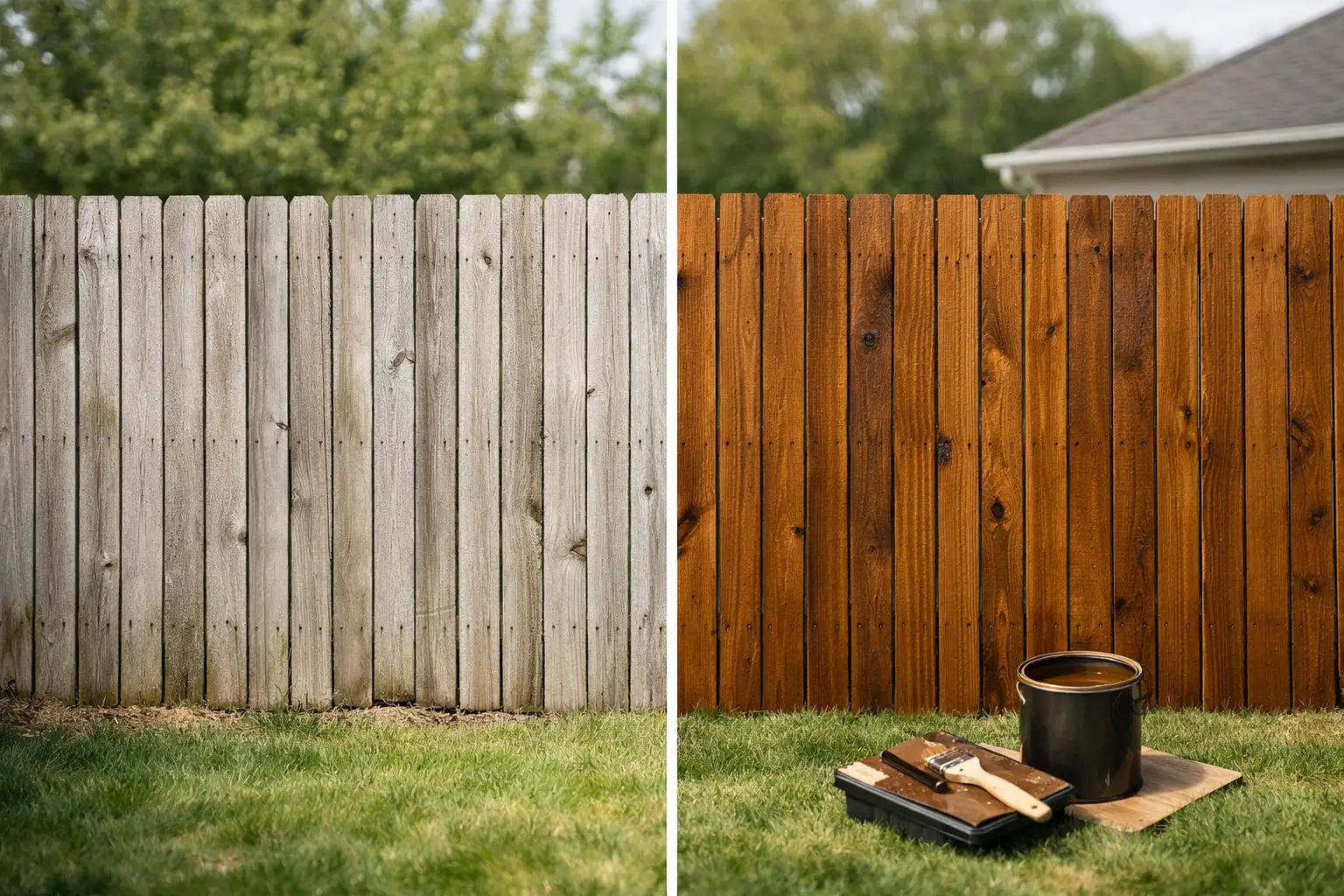
A fence that looked warm and solid a few summers ago can start reading very differently once sun, rain, and dirt get involved. That is why fence staining before and after photos catch so much attention – the difference is usually not subtle. A tired fence can go from gray, dry, and uneven to richer in color, better protected, and much more intentional in the overall look of the yard.
The part that matters most, though, is not the photo. It is what had to happen to get that result, how long it will last, and whether the product choice fits the wood, the climate, and the level of maintenance you can realistically keep up with. For homeowners and trade pros alike, that is where a stain project either pays off or becomes a callback waiting to happen.
What fence staining before and after really shows
A good before and after is about more than color. Yes, stain can deepen the tone of cedar, warm up pressure-treated lumber, or bring back consistency to weathered boards. But the real improvement is usually in three areas at once: appearance, surface condition, and durability.
Before staining, many fences show the same problems. UV exposure fades the original tone. Moisture raises the grain and leaves the surface looking rough. Dirt, mildew, and sprinkler overspray create dark patches that make even a newer fence look older than it is. When stain is applied to a properly prepared surface, the after result looks cleaner and more even because the wood is no longer left exposed.
That said, stain is not a magic reset button. If boards are cracked, warped, rotten, or heavily split, staining will not hide structural wear. It will improve the look, but it will not repair failed wood. The best transformations happen when the fence is still sound and the work starts with proper cleaning and prep.
The biggest changes you can expect after staining
Color is the first thing people notice, but it is usually the consistency that makes the fence look expensive. Raw or weathered wood tends to absorb light unevenly, especially if some sections are newer than others. A quality stain helps tie the entire run of fencing together so the yard feels finished instead of patched.
There is also a texture change. Once a fence has been cleaned, lightly prepped, and coated correctly, the surface often looks tighter and less chalky. Transparent and semi-transparent stains still let the grain show, which is why they are a strong choice when the wood itself is attractive. Solid stains create a more uniform finish and can rescue a fence with mixed tones or heavier weathering, but they trade away some of the natural wood look.
Protection is the longer-term part of the after. A stained fence is better positioned to resist moisture penetration and UV damage than bare wood. That does not mean maintenance disappears. It means the fence has a coating designed to slow down the aging process instead of letting the elements work directly on the wood.
Why some before and after projects look great and others do not
The difference usually comes down to prep, moisture, and product selection.
If the wood is dirty, the stain bonds to grime instead of wood fibers. If the fence is still wet from washing or recent rain, absorption becomes uneven and drying times stretch out. If the wrong opacity is chosen, the final look can disappoint even when the application itself was technically fine.
This is where experienced advice matters. A newer cedar fence may look best with a semi-transparent stain that enhances grain and color variation. An older fence with repairs, discoloration, or mixed board age may need a more hiding finish to look consistent. There is no single best option for every fence, and that is one of the most common mistakes in fence staining projects.
Prep is what creates the best before and after fence staining results
If you skip prep, you usually shorten the life of the job and weaken the appearance on day one.
Start by checking for repairs. Replace broken pickets, reset loose fasteners, and deal with any rot before opening a can of stain. Once the fence is structurally sound, clean the surface thoroughly. That may mean a dedicated wood cleaner, a mildew treatment where needed, or careful washing to remove dirt and graying.
Pressure washing can help, but only if it is done with restraint. Too much pressure can fur up the wood, leave lap marks, or force water deep into the boards. For many fences, controlled washing and patience during dry time are more important than brute force.
After cleaning, let the fence dry fully. That dry window depends on weather, humidity, wood species, and how much water was used during prep. Rushing this step is one of the fastest ways to ruin a good-looking finish.
If the wood has become rough or fuzzy after washing, a light sanding on problem areas helps the stain go on more evenly. This is especially useful on older fences where weathering has raised the grain.
Choosing the right stain for the look you want
When customers ask what creates the strongest fence staining before and after effect, the answer is usually opacity.
Transparent stain gives the most natural result, but the visual shift is more subtle. It works best on newer, cleaner wood where the grain and tone are assets. Semi-transparent stain offers more color while still showing wood character, making it a popular middle ground for backyard fences. Semi-solid and solid stains provide stronger color correction and are often better choices for older fencing that needs visual consistency.
Oil-based and water-based formulas both have their place. Oil-based products are often valued for penetration and a rich look, while many water-based products offer easier cleanup, lower odor, and strong color retention. Climate, exposure, and maintenance expectations all matter here. A fence in full sun with driving weather has different demands than one in a sheltered yard.
For contractors, consistency from one batch and one section to the next matters just as much as color. For homeowners, the right choice often comes down to whether they want to highlight wood beauty or reduce visible imperfections.
Application matters more than most people expect
A premium stain can still produce a poor result if it is applied badly.
Temperature matters. Direct blazing sun can cause the stain to dry too fast, leading to lap marks and uneven absorption. Late-day moisture and surprise weather can interfere with curing. Working in stable conditions gives a cleaner finish and a more predictable dry time.
Brush, pad, and sprayer methods can all work. Spraying is efficient, especially on long fence runs, but brushing or back-brushing is often what improves penetration and evens out coverage. On rough or aged wood, that extra attention usually shows up in the final result.
It is also smart to work board by board where possible rather than stopping mid-panel. That keeps the appearance more uniform and reduces visible overlap lines.
How long the after look lasts
This depends on sun exposure, weather, the condition of the wood, and the type of stain used. A sheltered fence with quality prep and a suitable product may hold its appearance well for years. A south-facing fence in harsh conditions may need maintenance sooner.
Transparent finishes generally need more frequent upkeep than higher-opacity products. That is the trade-off for a more natural wood appearance. Solid stains often last longer visually, but when they eventually wear, maintenance can involve more surface prep.
The good news is that regular maintenance is usually easier than waiting until full failure. Cleaning the fence, watching high-exposure areas, and recoating before heavy breakdown can save time and money.
Is fence staining worth it?
For most wood fences, yes – especially when the fence still has good structural life left. Staining improves curb appeal, helps protect the investment, and gives the property a more finished appearance. It can also help delay the much bigger cost of premature replacement.
The value is even clearer when the product and prep match the job. A quick, cheap coat on damp wood may look decent for a short time, but it rarely delivers the kind of before and after result people hope for. A well-chosen stain system supported by proper prep and application is what creates a finish that still looks good after the photos are forgotten.
If you are planning a fence refresh, it pays to buy like the outcome matters. That means choosing the right stain, the right prep products, and the right tools from the start. Oui Colour Paint helps both homeowners and pros source premium coatings, application supplies, and practical guidance so the finished fence looks better now and holds up longer through the seasons.
A fence does not need to be brand new to look sharp again. It just needs the right preparation, the right stain, and a finish chosen for real-world conditions instead of wishful thinking.
