


Best Exterior Paint for Brick House Walls

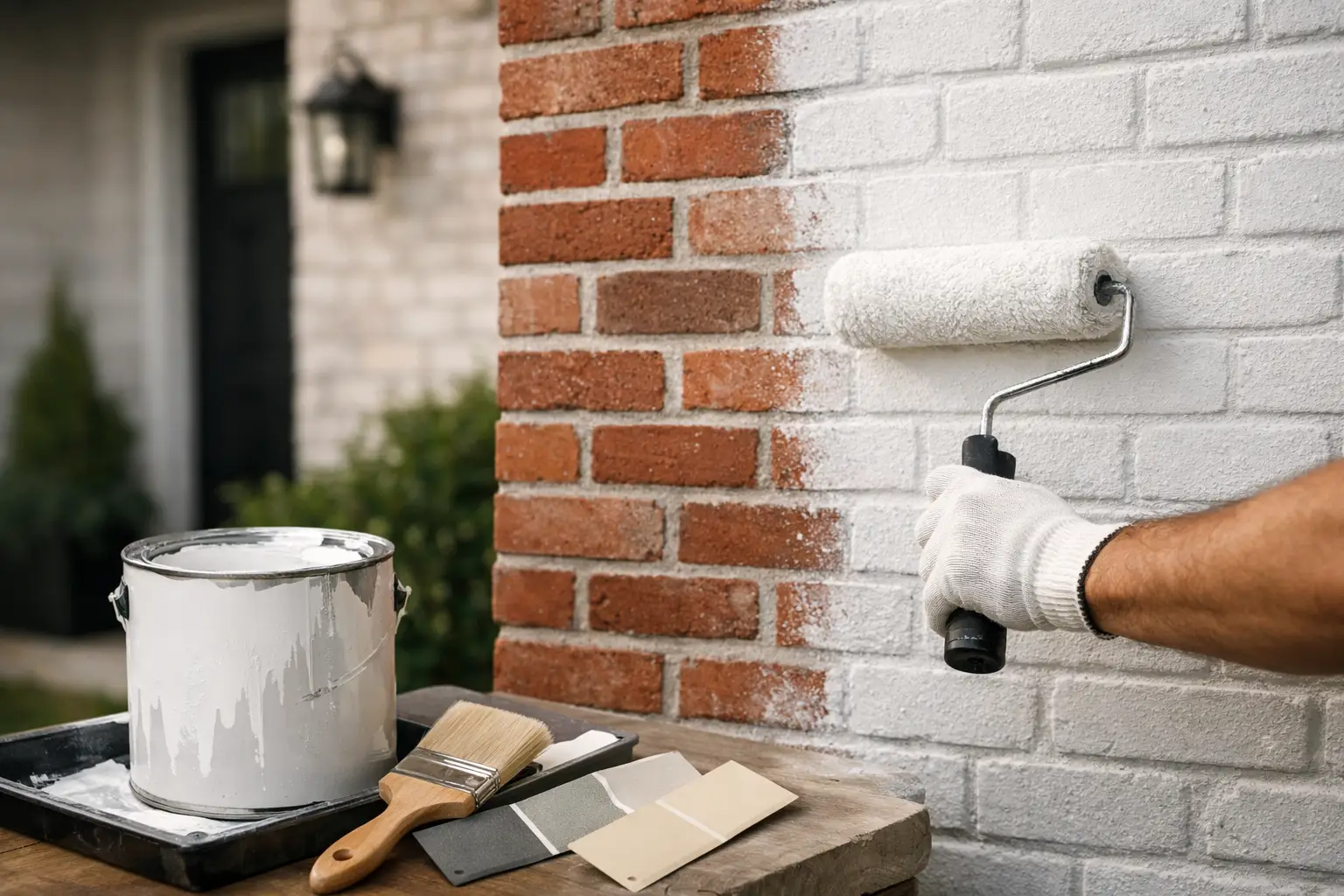
Brick can look timeless for decades, but once the surface starts chalking, fading, or showing patchy repairs, the wrong coating will make the problem worse fast. Choosing the right exterior paint for brick house surfaces is less about picking a nice color and more about matching the coating to how brick handles moisture, temperature swings, and wear.
That matters whether you are updating a single-family home, quoting a repaint for a client, or trying to correct a previous job that failed early. Brick is durable, but it is also porous. If a coating traps moisture instead of letting the wall breathe as needed, you can end up with peeling paint, blistering, efflorescence, or damaged mortar joints. A good result starts with product selection, but it only lasts if prep, priming, and application are handled properly.
What makes exterior paint for brick house projects different
Brick is not the same as wood siding, fiber cement, or stucco. It absorbs and releases moisture, and that movement affects adhesion. Older brick can be especially variable because repairs, age, and previous coatings change how evenly the surface accepts paint.
This is why masonry-specific coatings are usually the safest choice. Standard exterior house paint may look fine at first, but if it is not suited for masonry, performance can drop off quickly. Breathability, adhesion, and flexibility matter more on brick than many homeowners expect.
There is also a big difference between painting bare brick and repainting previously coated brick. Bare brick gives you a chance to build the system correctly from the start. Previously painted brick requires you to figure out what is already on the wall, whether it is sound, and whether the new coating is compatible.
The best paint types for brick exteriors
For most residential applications, high-quality acrylic latex masonry paint is the go-to option. It offers solid adhesion, good color retention, easier cleanup, and the flexibility needed for seasonal expansion and contraction. It also tends to be more forgiving during application than older solvent-heavy systems.
Elastomeric coatings are another option, especially when the brick or masonry has hairline cracking or uneven texture. These coatings create a thicker film and can help bridge small surface imperfections. The trade-off is breathability and appearance. In some situations, elastomeric products can trap more moisture than desired, and they may leave a heavier, less natural look. They can be very effective, but they are not automatically the best choice for every brick home.
Mineral-based or silicate masonry coatings are sometimes preferred for highly breathable systems, especially on older masonry that needs vapor permeability. These are more specialized products and usually require stricter surface conditions. For the right project, they can perform exceptionally well, but they are not always the first pick for straightforward residential repaints.
If the brick has never been painted, stain is occasionally considered as an alternative to paint. Masonry stain penetrates rather than forming a film, so it preserves more of the original texture. That can be attractive if the goal is a more natural brick look. Still, stain will not hide repairs, color variation, or patchwork the way paint can.
When primer is necessary
Primer is often where a long-lasting job is won or lost. On bare brick, a masonry primer helps even out porosity and improves topcoat adhesion. It can also reduce the amount of finish paint needed, which matters on rough, absorbent surfaces.
On previously painted brick, primer depends on the condition of the existing coating. If the old paint is sound, clean, and compatible, a full prime coat may not always be required. But if you are dealing with bare spots, repairs, chalky residue, or a big color shift, primer is the smarter move.
A stain-blocking or specialty primer may be needed if there is water staining, smoke residue, or tannin contamination from adjacent materials. Efflorescence is a separate issue. Primer will not solve it if moisture is still moving through the wall. The source of the moisture has to be addressed first.
Prep work that actually affects performance
The appeal of painting brick is often visual, but the real work is in surface preparation. Dirt, mildew, flaking paint, and loose mortar all interfere with adhesion. If those problems stay on the wall, even premium paint will struggle.
Start with a careful inspection. Look for cracking, failed caulk, missing mortar, white mineral deposits, and signs of water intrusion around windows, sills, and rooflines. Any structural or moisture issue should be fixed before paint goes on.
Cleaning is usually necessary, but aggressive pressure washing can damage older brick or force water deep into the wall. In many cases, a controlled wash with masonry-safe cleaner, a brush, and moderate rinsing is the better approach. Once cleaned, the surface needs enough dry time. Brick that feels dry on the outside may still be holding moisture inside.
Loose or peeling paint should be scraped and feather-sanded where practical. Any deteriorated mortar joints should be repointed and allowed to cure properly. Skipping this step creates weak areas where paint can fail prematurely.
Choosing the right sheen and finish
Low-sheen and flat finishes are common on brick because they reduce surface glare and help soften visual irregularities. They also tend to look more natural on textured masonry. For many homes, that is the sweet spot between appearance and performance.
Satin can work if you want a cleaner-looking finish with a slight boost in washability, but it will show more texture and patching. Higher sheens are usually less forgiving on brick and can make the surface look artificial.
Color selection matters too. Dark colors absorb more heat, which can add stress to the coating system in sunny exposures. That does not mean dark colors are off-limits, but they need a quality product and careful application. Lighter colors are often more forgiving and can improve curb appeal without emphasizing every surface flaw.
Common problems with painted brick
Peeling is usually traced back to moisture, poor prep, or incompatible coatings. If water is getting behind the paint film, the solution is not just another coat. The moisture source has to be corrected first.
Blistering can happen when the surface is painted in direct sun, when moisture is trapped, or when the wall was not dry enough before coating. Efflorescence, the white powdery residue seen on masonry, signals moisture movement through the brick. Paint applied over active efflorescence is unlikely to last.
There is also the issue of permanence. Once brick is painted, maintenance becomes part of the system. Painted brick will need touch-ups or repainting over time. For homeowners deciding between painting and leaving the brick natural, that is a real trade-off worth considering.
Exterior paint for brick house repaints vs first-time applications
A first-time paint job on bare brick offers the best control over results. You can inspect the masonry, clean it properly, use the right primer, and build a coating system designed for the substrate.
Repainting is more conditional. If the existing paint is well-adhered, the job may be straightforward. If there are multiple old layers, hidden moisture issues, or widespread failure, the project becomes more labor-intensive and product choice becomes more important.
For contractors, this is where jobsite evaluation pays off. For homeowners, it is the stage where expert guidance can prevent expensive rework. A premium topcoat will not compensate for a failing base.
How to buy the right system the first time
The best buying decision is not just a gallon of paint. It is the full system: cleaner, patch or mortar repair materials, primer where needed, topcoat, and the right brushes, rollers, and masking supplies. Brick surfaces are textured and absorbent, so coverage rates can differ significantly from smooth siding.
If you are ordering for a DIY project, product guidance helps narrow the field quickly. If you are buying for trade work, consistency matters even more. Reliable stock, matching primers and topcoats, and access to contractor pricing can save time across multiple jobs.
This is where a full-service supplier adds real value. Instead of piecing together products from different sources, you can get coordinated recommendations based on substrate condition, finish expectations, and local weather demands. Oui Colour Paint supports both homeowners and pros with premium coating options, prep materials, and project-ready supplies in one place.
When it pays to slow down
Painting exterior brick is one of those projects that rewards restraint. If the wall has active moisture issues, widespread efflorescence, or crumbling mortar, the fastest route is usually not the cheapest route. Taking time to diagnose the substrate will protect the finish and the structure underneath it.
A well-chosen masonry coating can refresh the look of a home and deliver years of service, but only when the brick is ready for it. If you treat brick like any other exterior wall, it tends to remind you why it is not. Get the system right, and the finished result will look better, last longer, and require fewer corrections down the line.
