


How to Choose Paint Sheen by Room

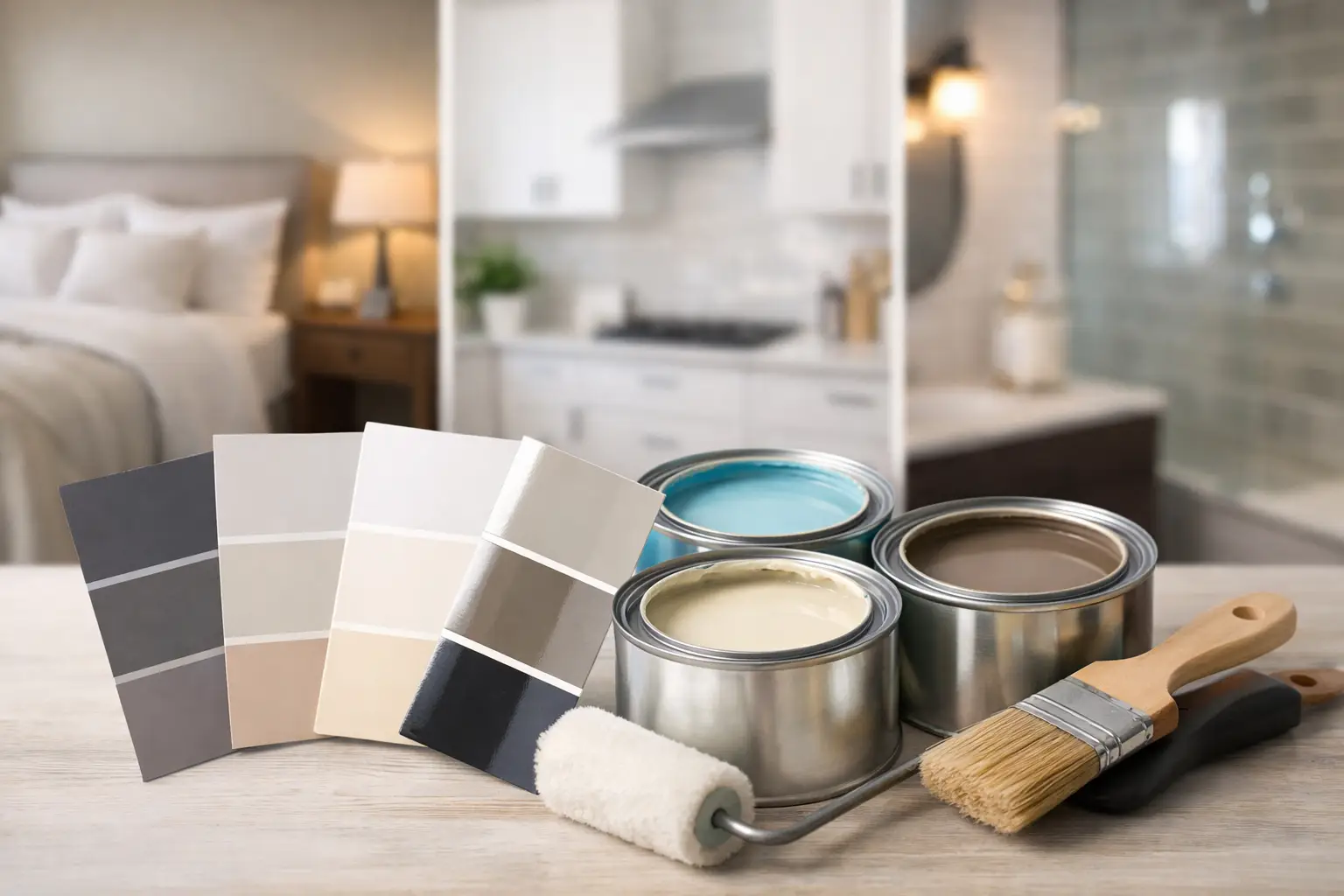
The color may get all the attention, but sheen is what decides how that color actually lives in your space. If you are wondering how to choose paint sheen, the fastest answer is this: match the finish to the surface, the amount of traffic, the moisture level, and how much wall texture you are willing to show.
That matters because the wrong sheen is hard to ignore. A flat finish in a busy hallway can scuff too easily. A glossy finish on patched drywall can spotlight every repair. The best result is not about picking the shiniest or the most washable option. It is about choosing the finish that fits the job.
How to choose paint sheen without guessing
Paint sheen refers to how much light a finish reflects. At one end, flat and matte absorb more light and help hide surface flaws. At the other end, semi-gloss and gloss reflect more light, which makes them easier to wipe down but also more revealing.
That is why sheen should never be chosen by color card alone. The same paint color can look softer in matte, cleaner in eggshell, and noticeably brighter in satin or semi-gloss. Before you buy, think about what the room asks from the paint every day. Is it a low-traffic bedroom, a humid bathroom, a trim package that gets bumped constantly, or a front door that needs durability and visual definition?
A quick look at common sheen levels
Flat has very little reflectivity and gives a soft, forgiving look. Matte is similar, but often a touch more durable depending on the product line. Eggshell offers a low luster finish that feels balanced for many interior walls. Satin has more sheen and better washability, which makes it popular in active areas. Semi-gloss is durable and moisture resistant, so it is commonly used on trim, doors, cabinets, kitchens, and baths. Gloss is the most reflective and toughest-looking finish, but it highlights flaws fast and usually works best on very smooth, well-prepped surfaces.
Choosing the right paint sheen by room
For most homeowners, room use is the easiest way to make a smart decision. For trade professionals, it is also the quickest way to align finish performance with client expectations.
Living rooms and dining rooms
These spaces usually do well with matte or eggshell on the walls. Matte gives a more refined, low-luster appearance and helps soften minor drywall imperfections. Eggshell adds a bit more durability if the room sees frequent use or if you want easier cleaning.
If the home has kids, pets, or a lot of daily activity, eggshell can be the safer call. If the walls are less than perfect and the room is more formal than high traffic, matte often looks better.
Bedrooms
Adult bedrooms are typically a strong fit for matte or eggshell. Kids’ bedrooms often benefit from eggshell or satin because fingerprints, scuffs, and occasional marks are more common.
This is one of those areas where preference matters. Some people want a soft, quiet finish that lets the color sit gently on the wall. Others want a practical finish they can wipe down more often. Both are valid. The condition of the walls usually breaks the tie.
Hallways, stairways, and entryways
These are wear-and-tear zones. Bags brush past corners, hands touch walls, and marks happen. Eggshell or satin usually makes the most sense here.
Satin is especially useful in narrow entry areas and busy family homes, but it will show patches, roller marks, and uneven surfaces more than eggshell. If prep work is excellent, satin can perform very well. If the walls have visible texture or older repairs, eggshell is often the more forgiving option.
Kitchens, bathrooms, and laundry rooms
Moisture and repeated cleaning change the equation. In these rooms, satin or semi-gloss is often the better choice, especially on trim and high-contact areas.
For walls, many people prefer satin in bathrooms and kitchens because it strikes a practical balance. It is easier to clean than matte or eggshell and handles humidity better. Semi-gloss is frequently reserved for trim, doors, cabinets, and areas that need extra resilience. On a perfectly smooth wall, semi-gloss can work, but it has a much more reflective look that is not right for every design style.
Ceilings
Flat is the standard choice for most ceilings for good reason. It minimizes glare, reduces the appearance of surface irregularities, and keeps the visual focus lower in the room.
A bathroom ceiling may need a coating formulated to handle humidity better, but the general goal is still a low-reflective finish. Unless you are intentionally creating a decorative effect, high-sheen ceilings are rarely the practical answer.
Trim, doors, cabinets, and built-ins
When people ask how to choose paint sheen, they often focus on walls first. But trim and millwork are where sheen makes a very visible difference.
Semi-gloss is the classic choice for baseboards, casings, and doors because it stands up well to handling and is easier to clean. It also creates a clear contrast against lower-sheen walls, which helps trim details look crisp.
Satin can also work on trim if you want a softer, more contemporary look. That is especially true in homes where high contrast is not the goal. Cabinets and built-ins often perform well in satin, semi-gloss, or specialty cabinet finishes, depending on the product and the prep. The smoother the surface and the better the application, the better a higher sheen will look.
Exterior surfaces need a different mindset
Outside, sheen is partly about appearance and partly about exposure. Siding often looks best in flat, low-luster, or satin finishes, depending on the material and the condition of the surface. A lower sheen can help hide age and texture, while satin can offer a cleaner look and easier maintenance.
Trim, shutters, and doors usually benefit from satin or semi-gloss for added durability and sharper definition. Front doors are a common place to step up the sheen, but only if the prep is solid. Glossy exterior finishes can look impressive, but they do not forgive flaws, and weather exposure can be hard on them.
The trade-offs most people miss
The biggest mistake is assuming more shine automatically means better quality. It does not. Higher sheen usually means easier cleaning and better moisture resistance, but it also means more visible imperfections.
That trade-off matters on older walls, textured surfaces, or areas with patchwork repairs. If a wall is not smooth, satin and semi-gloss can make every issue more obvious once sunlight hits it. In those cases, a lower sheen may deliver a better-looking final result even if it is slightly less washable.
The reverse is also true. A beautifully smooth wall in a busy area may deserve a more durable finish because the surface can support it. Good prep expands your sheen options.
Test sheen in the actual room
Lighting changes everything. Natural light, overhead fixtures, lamps, and even the direction a room faces can affect how sheen reads. A satin finish in a north-facing hallway may feel subtle, while the same finish in a sun-filled room can look much shinier.
Test a sample on more than one wall if possible. Look at it in the morning, afternoon, and evening. If you are deciding between two sheen levels, the room itself usually gives you the answer faster than any label can.
How to choose paint sheen for a better final result
If you want a simple decision framework, start here. Use flat for ceilings. Use matte or eggshell for most adult living spaces and bedrooms. Use eggshell or satin for busy walls. Use satin or semi-gloss where moisture, mess, or repeated cleaning are part of daily life. Use semi-gloss on most trim and doors unless you want a softer look.
Then adjust based on surface condition. Rough or imperfect walls usually look better with less sheen. Smooth surfaces can handle more reflection. For contractors, that conversation is worth having before the first gallon is tinted. It sets realistic expectations and prevents callbacks tied to appearance rather than product failure.
At Oui Colour Paint, the best sheen choice is never just about finish names on a shelf. It is about matching performance to the project so the room looks right on day one and still works hard months later.
If you are between two options, lean toward the finish that fits the surface first and the trend second. Good sheen selection does not call attention to itself. It simply makes the whole job look more finished.
