


Blog
Paint Color Matching Service Explained

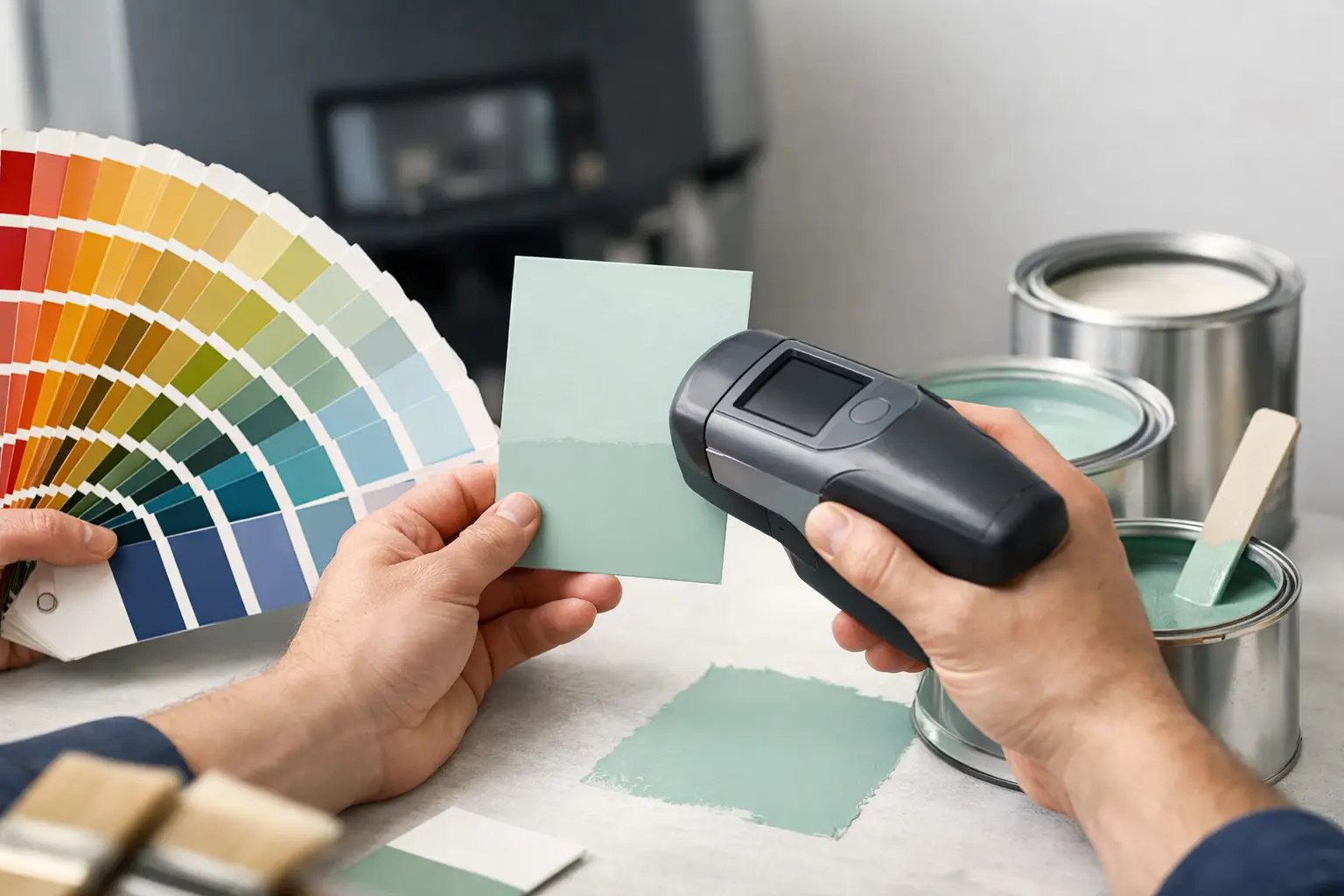
You bring in a paint chip, a cabinet door, or a faded piece of trim because you want one simple thing – the same color. That is exactly where a paint color matching service earns its value. Whether you are touching up a living room wall, repainting kitchen cabinets, or trying to match an older exterior finish, the goal is not just close enough. The goal is a color that works on the surface, under the lighting, and with the product you are actually using.
For homeowners, that can save a project from becoming an expensive redo. For painters and contractors, it can save time on site, reduce callbacks, and keep client expectations under control. The key is understanding what a match can do well, where the limits are, and how to set the project up for the best result.
What a paint color matching service actually does
A paint color matching service uses color scanning and formula adjustment to identify a paint color that closely matches a sample you provide. In practical terms, that means a store can analyze a painted item or color sample, then build a formula in a specific paint line that aims to reproduce that color.
The important word is closely. Matching is not magic, and any expert who tells you otherwise is skipping the details that matter. A scanner reads color, but it does not fully account for every variable that changes how paint looks once it is applied. Sheen, texture, age, lighting, and even the substrate can all shift the final appearance.
That does not make matching unreliable. It means the best results come from a combination of technology, product knowledge, and common-sense testing. A strong supplier does not just hand over a formula. They help you choose the right product type, explain where variations may show up, and guide you toward a match that performs well in the real space.
When paint color matching makes the most sense
Matching is especially useful when the original paint color is unknown, discontinued, weathered, or impossible to identify from a brand label alone. This happens all the time in resale homes, older commercial spaces, furniture restoration projects, and renovation work where new materials need to blend with existing finishes.
For interior walls, matching is often used for repairs, small additions, and partial repaints. If you patched drywall after electrical work or fixed water damage in one area, a good match can help you avoid repainting the entire room. For trim and doors, matching can preserve a consistent look across replacements or upgrades.
On the professional side, contractors often use a paint color matching service when clients want to keep an existing scheme but no one has the original can, formula, or brand information. It is also useful when matching stain tones, specialty coatings, or painted millwork that must coordinate across phases of a project.
Why exact matches are harder than most people expect
The biggest misconception is that a color scan guarantees a perfect one-to-one result. In reality, paint color is influenced by more than pigment. The finish level matters. A flat wall paint and a satin enamel in the same color family can look noticeably different because sheen changes how light reflects.
Age is another factor. Sun exposure, cleaning, smoke, humidity, and everyday wear all alter painted surfaces over time. If you scan a wall that has faded slightly or yellowed with age, the service will match what the sample looks like now, not what it looked like when it was first painted.
Texture also plays a role. A smooth cabinet door, a rough stucco sample, and a matte drywall surface do not reflect light the same way. Even if the color formula is highly accurate, the final perception can shift once the paint is rolled, brushed, or sprayed onto a different material.
That is why touch-up work is often more demanding than full repainting. On a full repaint, a close match usually reads as correct across the whole surface. On a touch-up, you are putting fresh paint next to aged paint, and every small variation becomes easier to see.
How to get better results from a paint color matching service
The sample you bring in has a direct impact on the quality of the match. Whenever possible, provide a solid, clean piece that is at least the size of a quarter, though larger is better. A switch plate, loose trim piece, cabinet drawer front, or leftover painted sample board usually gives better scanning results than a photo or a tiny chipped fragment.
If you are matching from a wall, cut out a section from an inconspicuous area if feasible. Photos on a phone are useful for context, but they are not reliable for precision because camera settings and screen brightness distort color.
It also helps to know where the paint will be used. A good match for interior eggshell walls may not be the right formula approach for exterior siding, high-moisture bathroom paint, or a cabinet enamel. Product choice matters because durability, washability, and application characteristics all affect the final project, not just the shade itself.
If accuracy matters, test before committing to multiple gallons. A sample or small batch gives you a chance to brush out the color, let it dry fully, and view it in morning, afternoon, and evening light. This step is worth the extra time. It is cheaper than repainting, and it gives both homeowners and trade buyers more confidence before moving forward.
Paint color matching service for walls, cabinets, and trim
Different surfaces need different expectations. For walls, matching is often very successful when you are repainting an entire wall plane. If you are trying to touch up just one patched area, the color may be close while the sheen difference still makes the repair visible. In many cases, painting corner to corner is the cleaner solution.
For cabinets and furniture, exactness matters more because hard surfaces reflect more light and usually sit at eye level. Factory finishes can also be harder to replicate with standard architectural coatings. The color can be matched closely, but the finish build, gloss level, and application method still affect the final look.
Trim sits somewhere in the middle. If the existing trim has yellowed over time, matching the current appearance may be more practical than chasing the original bright white. On the other hand, if you are updating all trim in a room, moving to a fresh, consistent formula is often the better long-term result.
What professionals should ask before ordering matched paint
Trade buyers usually think beyond the color, and that is the right approach. Ask what product line the match will be built in, whether the same formula can be repeated reliably for future jobs, and how the finish level may influence the result. Consistency matters if you expect to reorder later for phase two, punch work, or maintenance.
You should also think about coverage and substrate. A matched color in deep or vivid tones may need additional coats, especially when covering a contrasting base. Primers, undercoats, and previously painted surfaces all change how the final color reads. If the project includes patched areas, bare wood, or metal, prep and primer selection are just as important as the match itself.
This is where working with a full-service supplier has real value. If you can source the matched paint, primer, sundries, and application tools in one order, the job moves faster and with fewer surprises. That matters for homeowners trying to finish a weekend project and for pros managing labor and deadlines.
Choosing a supplier that treats matching like project support
A paint color matching service is most useful when it is part of a broader support system, not just a machine behind the counter. You want a team that understands coatings, asks what surface you are painting, and flags potential issues before they become expensive mistakes.
That could mean recommending a better enamel for doors, a more durable exterior product for trim, or a stain match approach that suits wood species and grain variation. It could also mean being honest about when a touch-up is unlikely to disappear and a full repaint will look better.
That level of guidance matters because color is only one part of a successful finish. Product performance, prep, application, and expectations all need to line up. A dependable supplier helps you make those decisions faster, with less trial and error.
If you are planning a project and need a paint color matching service, bring the best sample you can, share where the coating will be used, and test before scaling up. A good match starts with the right input, but the best result comes from pairing color accuracy with the right paint, the right finish, and advice you can actually use.
