


Blog
Best Primer for Dark Walls: What Works

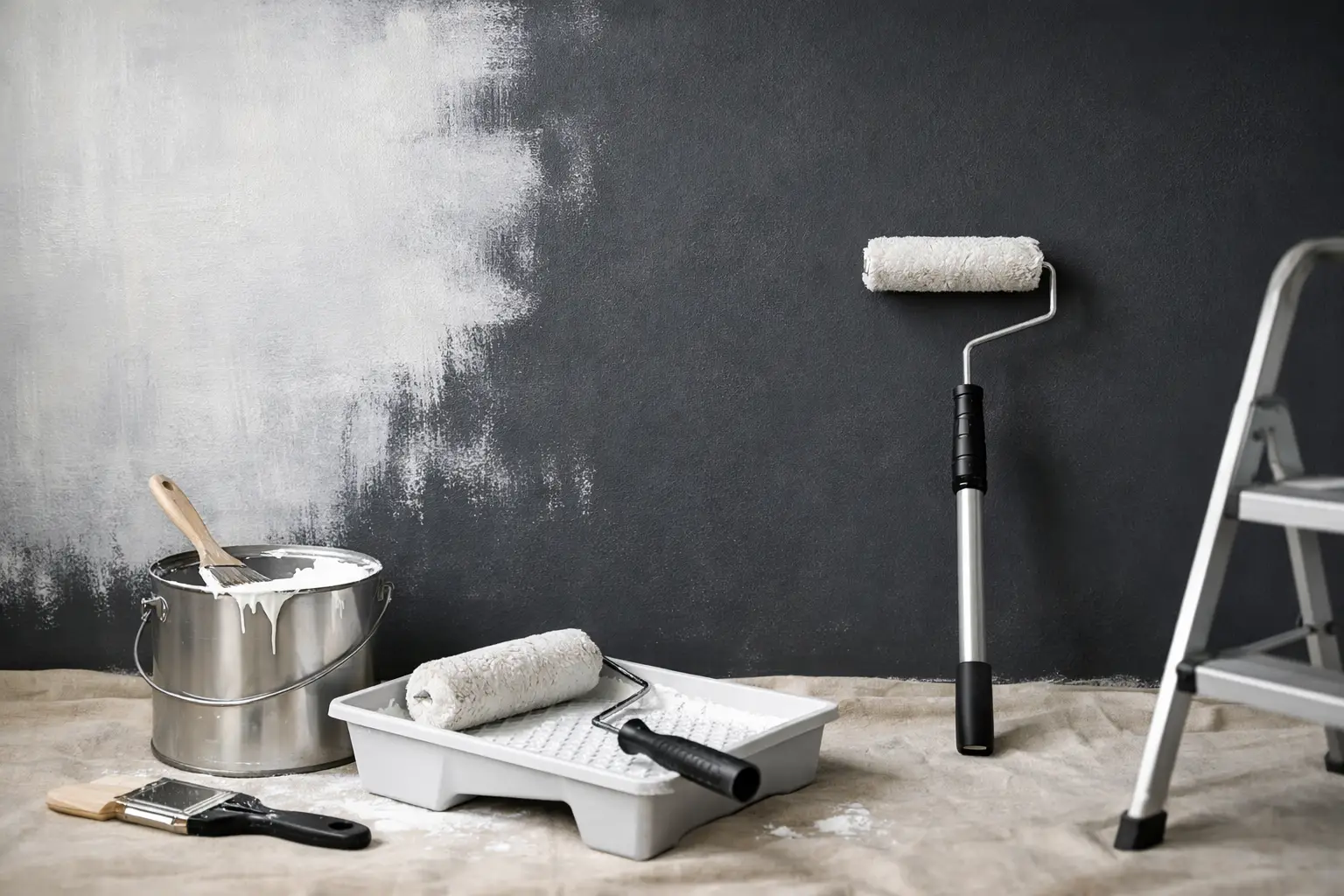
Painting over a deep navy dining room or a charcoal accent wall usually looks simple until the first coat goes on and the old color keeps staring back. If you are trying to find the best primer for dark walls, the right choice can cut down extra coats, improve color accuracy, and keep the finish looking even instead of patchy.
What makes the best primer for dark walls?
The short answer is that the best primer for dark walls is the one that matches the surface condition and the color change you are making. Dark paint alone is not always the problem. What usually causes frustration is a combination of strong underlying color, uneven sheen, old repairs, stains, and porosity differences across the wall.
If the existing dark wall is in good shape and you are repainting with another deep or mid-tone color, you may not need a heavy-duty specialty primer at all. But if you are going from dark brown, red, navy, forest green, or black to a light neutral, white, pale gray, or soft pastel, primer becomes much more important. It helps create a more uniform base so the finish coat can cover properly and show its true color.
A quality primer for this job should do three things well. It should seal the existing surface, promote adhesion, and improve hide. If there are stains, smoke residue, water marks, grease, or marker bleed, it should also block them. That is where product selection matters.
Not every dark wall needs the same primer
One of the biggest mistakes homeowners make is assuming any white primer will solve the problem. It might help, but not every wall needs the same level of build or stain resistance. Professionals know that a dark wall in a bedroom is different from a dark wall in a kitchen, hallway, rental unit, or commercial space.
For previously painted drywall in clean condition, a high-build latex primer is often the most practical choice. It gives good coverage, dries relatively fast, and is easier to work with for occupied homes. If the wall has scuffs, patched areas, or slight sheen differences, that extra build can help even things out.
If the wall has nicotine, cooking residue, water stains, or old unknown marks, you are better off with a stain-blocking primer. In those cases, coverage is only part of the equation. You also need insurance that the problem will not come back through the new paint a few weeks later.
If you are painting over slick surfaces, old semi-gloss, or heavily cleaned walls, adhesion becomes the priority. A bonding primer can make more sense than a standard drywall primer, even if the old color is dark.
Water-based vs. oil-based primer
For most interior repaint projects, a premium water-based primer is the first place to start. It is easier to apply, lower odor, and generally more convenient for DIY homeowners and busy contractors moving room to room. On standard painted drywall, it usually performs well enough to support a color change from dark to light when paired with a quality topcoat.
Oil-based or shellac-based primers still have a place, especially when the wall has serious stain issues or odor concerns. They tend to lock down difficult contaminants better than standard latex options. The trade-off is smell, cleanup, and a less forgiving application process. In an occupied home, that may be a dealbreaker. On a problem wall, it may be exactly what the job needs.
That is why there is no single universal winner. The best primer for dark walls in a clean guest room may be completely different from the best primer for a former smoking room or a busy kitchen.
Does tinted primer help?
Sometimes yes, but not always in the way people expect.
Tinted primer can be useful when you are making a dramatic color shift, especially if the final paint color is medium to deep rather than bright white. A gray-tinted primer under strong colors can improve depth and reduce the number of finish coats needed. For example, if you are covering black with a rich blue or repainting burgundy with dark olive, tinting the primer may save time and material.
But if you are going from dark walls to white or very light beige, a clean white primer is usually the better move. Adding tint in that scenario can work against the final result. You want the substrate moving lighter, not staying in the middle.
This is also where expectations matter. Tinted primer is not a shortcut for poor coverage. It can support the system, but it will not replace a quality finish paint with good hide.
When primer is absolutely worth it
There are a few situations where skipping primer usually costs more time than it saves.
If you are covering saturated colors like red, black, deep green, or navy with a much lighter shade, primer helps reset the wall. If there are drywall repairs, skim-coated areas, or patched holes, primer evens the porosity so the finish does not flash. If the wall has any stain risk, primer is a must. And if the previous coating is glossy or questionable, primer improves the odds that your new paint actually sticks.
In professional terms, primer is not just about hiding the old color. It is about controlling the surface so the topcoat can perform the way it was designed to perform.
When you might skip primer
There are cases where primer is optional. If the wall is already painted with a sound flat or eggshell finish, the surface is clean, and the new color is close in depth, many premium interior paints can do the job without a separate primer coat. Some high-end paints advertise paint-and-primer performance, and on a straightforward repaint they can work well.
Still, there is a difference between possible and efficient. If your dark wall needs three finish coats without primer but two total coats with primer, the extra primer coat may be the smarter buy. This matters even more on larger jobs, rentals, or contractor schedules where labor time affects the bottom line.
Surface prep matters as much as the primer
Even the best primer for dark walls will struggle on a dirty or glossy surface. Before priming, wash off grease, dust, and residue. Sand shiny areas if needed, especially around trim lines, patched spots, and high-touch zones. Fill dents and nail holes, then sand smooth.
After repairs, spot-priming may not be enough if the wall has major color variation. Full priming often gives a more consistent finish, particularly when shifting to lighter colors. That extra step can be the difference between a clean, uniform result and a wall that still shows roller marks, dull patches, or shadowing.
Application also matters. A quality roller cover with the right nap helps build a more even film. If the wall texture is light to moderate, choose a nap that can reach into the surface without overloading it. Too little material leaves thin coverage. Too much can create lap marks and texture inconsistency.
How many coats should you expect?
For most dark-to-light repaints, plan on one full coat of primer and two finish coats. Sometimes a strong hiding topcoat over a well-chosen primer gets the job done beautifully in that system. Sometimes very intense colors still need extra attention, especially reds and blacks.
If someone promises one coat over a dark wall with no trade-offs, be cautious. Coverage depends on the old color, the new color, the product line, the sheen, and how evenly the material is applied. Good advice should save you from surprises, not sell you unrealistic expectations.
Choosing the right primer for your project
If your walls are clean and previously painted, look for a premium interior latex primer with strong hide and good adhesion. If you are dealing with stains or odors, move up to a stain-blocking formula. If the wall is slick or glossy, prioritize bonding performance. If you are repainting to another deep shade, ask whether a tinted primer makes sense.
That is where a full-service paint supplier can make the process easier. Instead of guessing from the shelf, you can match the primer to the wall condition, the target color, and the size of the job. For homeowners, that means fewer surprises. For pros, it means better production and more consistent results.
At Oui Colour Paint, that kind of recommendation is part of the value. Whether you are refreshing one room or pricing out a larger repaint, choosing the right primer at the start usually saves paint, labor, and callbacks later.
The wall color you are covering matters, but the condition underneath matters just as much. Pick your primer based on both, and the rest of the job gets a lot easier.
